

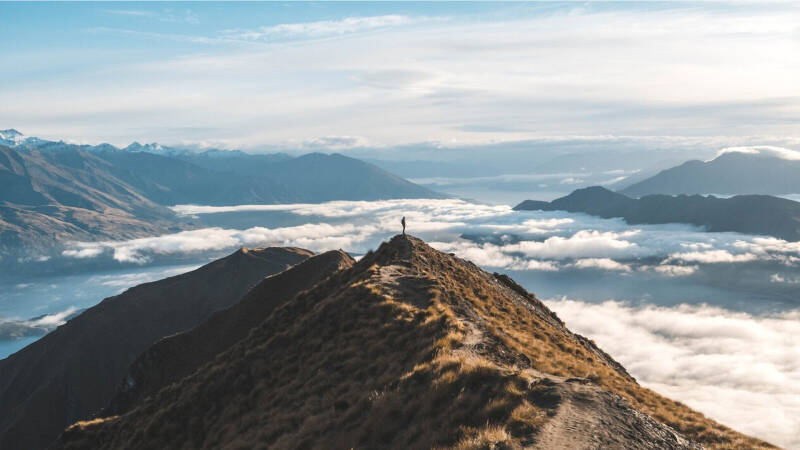
New Zealand on a Shoestring: The Deep-Dive Guide
New Zealand is stunning—and it can be expensive—but you don’t need a big budget to have a big trip. The trick is to slow down, stack small savings that compound, and design days around free nature rather than paid attractions. This version goes deeper on real costs, clever transport choices, where to sleep for almost nothing, and how to plan routes that feel rich without hammering your wallet.
1) Set a Daily Budget You Can Keep
Start with a number and engineer your trip around it. For most budget travellers, NZ$70–$100 per person/day is realistic if you camp/hostel, cook most meals, and choose just a handful of paid activities. Your “fixed” costs are transport and accommodation; everything else flexes.
A lean, balanced day might look like this: breakfast and lunch from groceries, a free hike or beach as your headline activity, a DOC campsite or cheap hostel at night, and a simple one-pan dinner you can repeat. Track spending in a notes app. If you undershoot one day, bank the surplus for your “big” day (Milford cruise, glowworm cave, or a hot-pools night).
Benchmarks that help:
Food you cook: $15–$25 pp/day.
Overnight: $0–$15 (DOC/basic camps), $25–$40 (hostel dorm), $40–$75 (holiday park powered site—use every 2–3 nights to reset).
Fuel: $20–$40/day for two people sharing a small van on typical routes.
Paid activities: pre-decide 1–3 total and protect your budget everywhere else.
2) Transport That Doesn’t Torch Cash
Campervan: your bed, kitchen, and wheels in one
A self-contained small van (toilet + tanks) unlocks more legal free spots and keeps costs low by letting you cook. Smaller vans sip less fuel, are easier to park in towns, and are cheaper on the ferry.
Choose by how you travel:
-
Budget hitop or minivan: fold-out bed, basic kitchen, sometimes no toilet. Cheapest rent, higher campsite costs (because fewer free options).
-
Mid-range self-contained: best value for most—sink, small fridge, toilet, second battery, decent storage.
-
Large motorhome: comfy in bad weather, pricier to rent and fuel, slower on tight roads.
Make the van cheaper by booking early in summer, travelling shoulder season, and watching for relocation deals (sometimes $1–$10/day with fuel and/or ferry included to move a vehicle between depots). Drive at 90–95 km/h, plan errands in clusters, and fill up away from tourist hot spots.
Bus: the simple, solo-friendly option
For solo travellers who don’t want to drive, InterCity’s hour-based pass is the best value if you string towns efficiently. Hop-on/hop-off networks are more social and simpler to plan but usually cost more. A great hybrid is bussing the long intercity legs (Auckland→Rotorua→Taupō→Wellington, Nelson→Christchurch, etc.) and hiring a cheap car/camper locally for 3–5 days in high-value areas (Abel Tasman, West Coast, Queenstown/Te Anau). That sidesteps one-way fees and ferry costs on long rentals.
Ferry reality: crossing Cook Strait is priced by length/height. Long campers cost more. If you’re counting dollars, fly between islands and rent locally on each side.
3) Sleeping for (Almost) Free Without Being “That Tourist”
Freedom camping—do it right
It’s legal only where permitted by signage and bylaws, and most free sites require a self-contained vehicle. Arrive before dusk, park compactly, use your toilet (or provided loo), and leave zero trace. One inconsiderate van can get a whole site banned—don’t be that story.
DOC campsites—budget MVPs in the best places
Department of Conservation sites put you beside rivers, lakes, forest, or beaches for $0–$15 pp. Facilities range from basic long-drops to serviced sites with a ranger and taps. Many are first-come; a few book in peak. These are where “cheap” becomes “wow”.
Hostels—your reset nights
Dorm beds run $25–$40 with full kitchens, laundry, and lockers. Use hostels to charge, wash, and meet ride shares for day trips. They’re also your wet-weather Plan B.
How to choose nightly: Apps like CamperMate, Rankers, and WikiCamps show legal sites, dump points, water taps, parking limits, and fresh reviews about wind, sandflies, and road conditions. Great data, but signage rules on the day—always confirm at the site.
4) Eating Well on $15–$25/Day
Self-catering is the biggest lever. Shop at PAK’nSAVE (cheapest), then New World/Countdown. Stock up in bigger towns before the West Coast, East Cape, Far North, or Mackenzie Country.
Build a simple rotation so cooking stays easy:
Breakfast: oats + fruit + PB; or eggs + toast; instant coffee or a plunger.
Lunch: wraps with tuna/beans/cheese/salad; leftover pasta.
Dinner: one-pan curry (tinned tomatoes + chickpeas + frozen veg), pesto pasta + pan-fried veg, rice + eggs + greens, couscous + lentils + roasted veg, instant mash + beans + big salad.
Carry a tiny spice kit (salt/pepper, chilli flakes, curry paste, garlic), a sharp knife, extra tea towels, and reusable containers. Cook once, eat twice; future-you will cheer after a long hike.
Markets are your friend and often cheaper than supermarkets for produce and bread (Nelson Market, Otago Farmers Market, Whangārei Growers Market). If you eat out, aim for cabinet-food lunches and cook dinner with a view.
5) Make Free Stuff Your Headliners
Most of New Zealand’s “top” experiences don’t need a ticket—only time and transport.
North Island free hits: Cathedral Cove (tide-timed), Hot Water Beach (dig at low tide), Tongariro’s short walks if you skip the full Crossing, the Rotorua Redwoods loops, Te Arai/Ōhope beaches, Te Henga/Bethells on the west coast, Cape Reinga views.
South Island free hits: Hooker Valley Track (Aoraki/Mt Cook), Roys Peak or Mt Iron (Wānaka), Ben Lomond lower sections (Queenstown), Kura Tawhiti/Castle Hill limestone, Hokitika Gorge, Punakaiki blowholes, Lake Pukaki viewpoints, Abel Tasman day sections (walking is free—the boat costs).
Stargazing in the Aoraki Mackenzie is free: bring a warm layer, an app, and a neck that looks up. Geothermal freebies exist too (Kerosene Creek/Hot-and-Cold stream near Rotorua; conditions change—ask locals and leave no trace).
Let tides and wind pick your sequence: coastal tracks and paddles in the morning when it’s calmer, inland forest or towns when it blows.
6) Pay for a Few Big Moments (and Pay Less)
Choose the one or two things you’ll remember in ten years and let everything else be free.
-
Milford Sound cruise: pick late afternoon for warm light and thinner crowds.
-
Tongariro shuttle: makes a world-class hike safe and simple.
-
Geothermal park: Wai-O-Tapu or Waimangu for surreal colours and terraces.
-
Hot pools: Tekapo or Franz Josef as a post-hike reward.
Book with Bookme and similar deal sites for off-peak time slots (30–70% off is common). Bundle activities with one operator where possible and be flexible on time of day.
7) Souvenirs: Swap Stuff for Stories
Skip mass-made trinkets. Put that money into a better grocery shop, a discounted activity, or one useful artisan piece you’ll actually use at home (mug, knife, small print). Keep a tiny journal, write postcards, and take fewer, better photos. Your pack—and budget—will thank you.
8) Driving Pace, Safety, and Road Smarts
NZ roads look easy on a map and are slow in real life: narrow lanes, one-lane bridges, livestock trucks, and curves for days. If Maps says three hours, plan four to five with stops. Park before dark whenever possible—arriving late means poor choices and grumpy neighbours.
Keep left (always), read one-lane bridge signs before entering, brake early on gravel, and carry chains in winter on alpine routes (rental companies supply them on request). Wind changes plans more than rain—check MetService and Windy each morning.
9) Power, Water, Waste: Your Off-Grid Routine
Most vans have a house battery for lights and a 12V fridge. You’ll get 24–48 hours off-grid if you don’t run high-draw devices. Charge phones while driving; carry a power bank and (if you must) a small 150–300 W inverter for a laptop. Book a powered site every 2–3 nights in gloomy weather.
Carry 10–20 L extra water in a collapsible container. Refill at signed potable taps, i-SITE visitor centres, and holiday parks. Empty grey water and toilets at dump stations only (the apps list them). A splash of white vinegar in the grey tank keeps smells in check. Vent at night and wipe condensation each morning so bedding stays dry.
10) Money Savers That Compound
Travel shoulder season (Mar–May, Sep–Nov) for cheaper vans, easier bookings, gentler weather. Fill up in non-tourist towns (fuel can be markedly cheaper). Carpool day trips from hostels. Use library Wi-Fi and i-SITE centres for downloads. If you hike often in one region, look at a DOC Backcountry Hut Pass (not valid for Great Walk huts but valuable elsewhere). Buy groceries in larger centres, and plan rest days in places where you can walk to everything (saving fuel and sanity).
11) Two-to-Four Week Budget Routes (with Flow)
7–8 days, North Island (solo or couple, small budget):
Auckland → Coromandel (Cathedral Cove/Hot Water Beach) → Rotorua (geothermal freebies + night soak) → Taupō (Huka Falls, lakefront camp) → Tongariro (short walks or full Crossing with shuttle) → Wellington (Te Papa, waterfront) → depart. Most nights free/DOC, cook every meal, one paid activity.
10 days, South Island loop from Christchurch (van, 2 people):
Christchurch → Kaikōura (seals) → Nelson/Mapua (market) → Abel Tasman day walk/taxi → West Coast via Buller (Punakaiki, Hokitika Gorge) → glacier region (short walks/cheap lookout flights if you splurge) → Wānaka (free hikes) → Queenstown (Ben Lomond lower, beach time) → Te Anau → Milford cruise → Aoraki/Mt Cook (Hooker Valley) → Tekapo stars → Christchurch.
14 days, two-island sampler (bus + local rentals):
Auckland → Coromandel → Rotorua/Taupō → Tongariro → fly Queenstown → Te Anau/Milford → Wānaka → West Coast → Abel Tasman → bus to Nelson/Christchurch to depart. Save ferry $$$ and long one-ways; spend on a handful of highlights.
21 days, slow & frugal (ultimate value):
North (10): Auckland → Coromandel → Rotorua → Taupō → Tongariro → Taranaki/Egmont → Wellington.
South (11): Picton/Nelson → Abel Tasman → West Coast → Wānaka/Queenstown → Te Anau/Milford → Aoraki/Mt Cook → Tekapo → Christchurch. Build two “do nothing” days—laundry, markets, lake swims.
12) Sample Budgets You Can Copy
Hostel + bus, solo, 10 days (North Island):
Intercity hours: $150–$220 • Hostels: $30×9 = $270 • Groceries: $20×10 = $200 • Activities/shuttles: ~$120 • Misc/local buses: $60 → $760–$870 total (flights not included).
Two people, mid-range self-contained van, 10 days (South Island):
Van (shoulder season): $80–$120/day = $800–$1,200 • Fuel: $250–$350 • Camping mix: $120–$220 • Groceries: $20×2×10 = $400 • 2 paid activities: $250–$350 → $1,820–$2,520 total → $91–$126 pp/day.
13) Packing That Works for Budget Travel
Quick-dry layers, windproof/rain jacket, warm mid-layer (even in summer nights), hiking shoes + jandals for showers, headtorch, power bank, multi-USB charger, microfibre cloth (condensation & lenses), extra tea towels, reusable containers, collapsible water container, small first-aid kit, sunscreen, insect repellent, tiny spice kit, dry bag for wet gear, and printed booking refs (ferries/camps) just in case reception or batteries fail.
14) Etiquette That Keeps Places Open
Use only legal overnight spots. Keep voices low after dark. Pack out all rubbish and food scraps. Toilets or your cassette only—never the bush near water. Grey water to dump stations only. Don’t spread awnings/tables at small viewpoints. On tracks, stick to formed paths; on beaches and dunes, follow marked access. Respect wāhi tapu (sacred sites) and local signage—even when “everyone online” says otherwise.
Final Word: Slow Is Cheap—and Better
The slower you travel, the less you spend and the more you see. Two extra hours by a lake at sunset costs nothing and beats rushing to “fit one more thing in.” Pick a daily number, cook most meals, sleep where nature is the attraction, and splurge only on the moments you’ll remember in ten years. New Zealand rewards the curious and the patient—not just the cashed-up.
If you tell me when you’re coming, how long you’ve got, and your must-dos, I’ll sketch a day-by-day budget route with specific cheap camps, supermarket stops, fuel plans, and 1–2 smart paid splurges tailored to you.
Add comment
Comments