

Canyoning in Aotearoa
Keen to explore New Zealand's hidden canyons? Canyoning, also known as canyoneering, is an awesome way to experience the raw beauty of Aotearoa. Whether you're a first-timer or an experienced adventurer, this guide will give you the lowdown on canyoning in NZ.
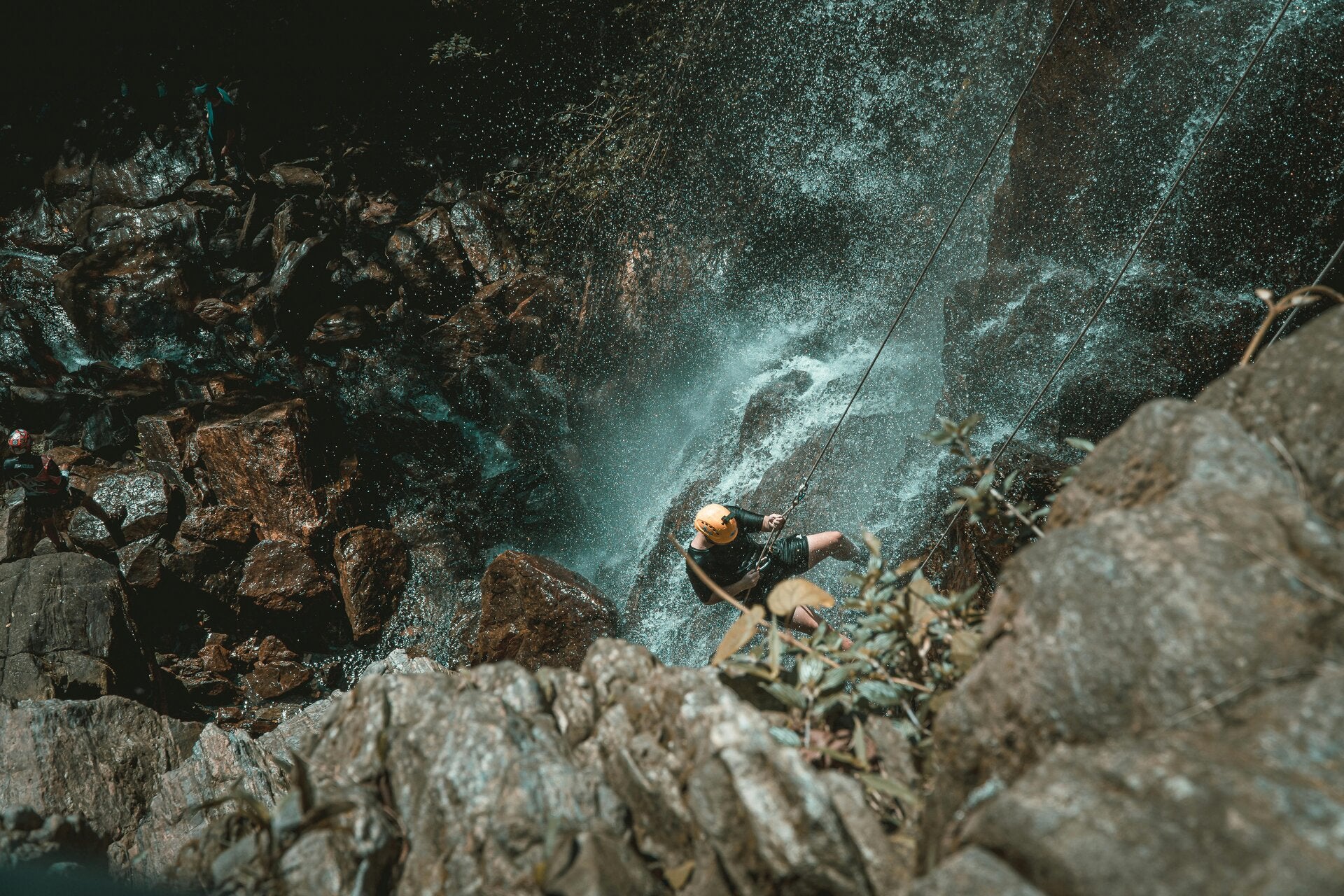
What is Canyoning?
Canyoning involves navigating canyons by any means necessary - think walking, scrambling, climbing, jumping, abseiling (rappelling), and swimming. It's an adrenaline-pumping activity that combines physical challenges with stunning natural scenery. In New Zealand, you'll find canyons carved by ancient rivers, surrounded by native bush, and filled with crystal-clear water. It's an experience you won't forget!

Why Canyoning in New Zealand?
Aotearoa is a canyoning paradise! Our unique landscapes, from the subtropical North Island to the rugged South Island, offer a diverse range of canyoning experiences. We've got canyons suitable for all skill levels, plus experienced guides who know the best spots and can keep you safe. What sets our advice apart? We're passionate Kiwis who've explored these canyons ourselves. We'll share insider tips and honest reviews to help you plan your adventure.

Torrent River - Abel Tasman (best all-round intro)
The adventure: Warm(ish) golden-bush canyoning with everything you want and nothing you don’t—natural slides, short abseils beside waterfalls, deep clear pools, and optional jumps. You hike in through coastal forest, suit up, then spend a few giddy hours sliding, splashing, and whooping your way to the sea.
- Why it’s great: Super scenic, playful, and confidence-building; perfect for first-timers and mixed-ability groups.
- Typical day: Boat/water taxi to the trailhead → 45–60 min walk in → 2–3 hrs in-canyon → beach finish + taxi out.
- Season/conditions: Best Nov–Apr; spring flows = lively, late summer = warmer water. Trips cancel for heavy rain—trust the guide call.
- Difficulty: Intro–intermediate. You should be comfortable in water and happy with heights up to ~8–10 m (jumps are always optional).
- Base & logistics: Stay in Marahau/Kaiteriteri or Motueka; guided only for most visitors (gear, permits, safety sorted).
- What you’ll wear: 2-piece wetsuit, socks/booties, canyoning shoes, harness/helmet provided. Bring swimmers, towel, snacks, and dry clothes.

Routeburn / Glenorchy canyons — Otago (guided)
The adventure: Glacial-blue pools in mossy beech forest, tight schist chutes, and clean waterfalls you’ll abseil or slide down. This is canyoning’s alpine mood—crisper water, bigger scenery, and a tad more commitment than coastal canyons.
- Why it’s great: Combines Routeburn/Paradise cinematics with proper canyon features—think rappels, slides, and jump options in one package.
- Typical day: 60–90 min drive/shuttle from Queenstown → gear-up in Glenorchy → 30–60 min approach → 3–4 hrs in-canyon → hot drink and debrief.
- Season/conditions: Dec–Mar prime; snowmelt and rain spike flows—operators pick canyons accordingly.
- Difficulty: Intro to strong-intermediate depending on the canyon chosen; good fitness helps on the hike in/out.
- Base & logistics: Queenstown or Glenorchy; book guided trips (all technical gear supplied).
- Pro tip: Ask for a trip with a couple of progressive abseils—confidence stacks fast when the first one is mellow.

Blue Pools / Makarora — Otago (seasonal, guided)
The adventure: Crystal-clear glacier-fed water you can see through like glass, narrow slots, and photogenic jumps. On a hot summer day it’s unbeatable—electric-blue pools under hanging forest with short rappels and slides between swims.
- Why it’s great: Unreal water colour, approachable features, and quick access from the highway/track.
- Typical day: Short approach from Makarora/Blue Pools swing bridge area → 2–3 hrs in a selected side canyon → optional plunge at the end if you saved the nerve.
- Season/conditions: Mid–late summer only (flows and temps); trips commonly pause after heavy rain or early/late season cold snaps.
- Difficulty: Intro–intermediate; cold tolerance matters more than strength—layers help.
- Base & logistics: Wanaka/Makarora/Haast; guided is the norm—cold, clear water hides forceful hydraulics, so go with pros.
- What to bring: Extra warm layer (neoprene vest/thermal for under the wetsuit), sunscreen for the walk out, snacks.

Piha / Waitākere — Auckland region (guided, seasonal)
The adventure: West Coast jungle vibes with volcanic rock, hidden waterfalls, and short, punchy drops. You’ll scramble, downclimb, slide, and abseil through lush gullies a short hop from the city—wild without long approaches.
- Why it’s great: Close to Auckland yet properly adventurous; ideal for first-timers who want a sampler platter.
- Typical day: 45–60 min drive from the CBD → 20–40 min bush approach → 2–3 hrs in-canyon → beach stop at Piha if the surf’s looking good (post-adventure only).
- Season/conditions: Summer only; Waitākere canyons spike fast in rain—guides watch river gauges like hawks.
- Difficulty: Intro–intermediate; expect slippery basalt and short, fun abseils (~5–15 m).
- Base & logistics: Auckland; guided trips only (access, permits, and kauri dieback cleaning protocols included).
- Kauri care: Use the cleaning stations and stick to formed tracks—protect the ngahere.

Haast options — West Coast (experienced only with guides)
The adventure: Raw, remote, and water-powerful. Think steep granite/gneiss slots, thick rainforest approaches, and serious flow management. When conditions line up—and only then—you get world-class waterfalls, big abseils, and cathedral-like chambers of spray and light.
- Why it’s great: It’s the wild side of NZ canyoning—serious terrain with jaw-drop factor.
- Typical day: Early start → long approach (steep, rough) → technical descents with multiple long rappels/jumps → committed exits.
- Season/conditions: Narrow summer windows; West Coast weather rules the calendar. Trips cancel often for safety—non-negotiable.
- Difficulty: Advanced only. Strong canyoning skills required: anchor rigging, swiftwater awareness, cold tolerance, and endurance.
- Base & logistics: Haast/Fox/Franz; go guided with specialist West Coast operators or not at all—private attempts without deep local knowledge are risky.
- Kit reality: Drysuit or thick neoprene, robust footwear, spare carabiners/descenders, contingency lines, PLB—in short, the works.

How to choose your canyon
- Match your comfort with water & heights: Slides and small rappels feel easy; jumps are always optional. Be honest about vertigo and swimming confidence.
- Watch weather like a local: Rain = flow. Canyons can become unsafe quickly; good operators will reschedule without fuss.
- Fitness & warmth: You don’t need to be an athlete, but you’ll hike in gear and move for hours. Eat breakfast, bring snacks, and embrace neoprene.
- Go guided for your first few trips: It unlocks places you’d never find, keeps you safe, and you learn movement/abseil skills the right way.
- What to bring: Swimmers, synthetic/merino base layer (no cotton), towel, contact lenses if you wear glasses, secure strap for sunnies, dry clothes for after, personal meds.
- Leave no trace: Pack out everything, step lightly around pools, and follow local tikanga and track hygiene (kauri dieback zones).
Is Canyoning for You?
Canyoning requires a reasonable level of fitness and a sense of adventure. If you enjoy being active, love the outdoors, and aren't afraid of heights or getting wet, then give it a go!. Many tours cater to beginners, providing all the necessary equipment and instruction. For experienced canyoners, New Zealand offers plenty of challenging and remote canyons to explore.
Book your canyoning adventure
