

Sea/Lake kayaking
Discover the serene beauty of Aotearoa's waters with our guide to sea and lake kayaking. Whether you're a beginner or an experienced paddler, New Zealand offers breathtaking landscapes and unique kayaking experiences. Explore what makes kayaking here so special and how to make the most of your adventure.
This page may contain affiliate links. Read our disclosure policy for more info.

Aotearoa's unique paddling paradise
What makes kayaking in Aotearoa so special? It's the combination of pristine waters, stunning scenery, and diverse ecosystems. From the tranquil lakes of the South Island to the rugged coastlines of the North, you'll find unparalleled kayaking opportunities. The unique flora and fauna, combined with the Māori cultural heritage, add an extra layer of depth to your adventure.

Abel Tasman (Adele/Anchorage) — Seals + golden sand
The adventure: Launch from Marahau or Kaiteriteri and skim along granite headlands to Adele Island (a wildlife sanctuary) and Anchorage Bay. Mornings are usually calm: you’ll slide past orange lichen rocks, peek into little caves, and drift near a seal colony as pups torpedo around your bow (keep legal distances). Pull up on a gold-sand beach for lunch and a swim, then either paddle back or jump a water taxi.
- Why it’s great: Short, sheltered crossings; beaches every 10–20 mins; wildlife almost guaranteed.
- Classic route: Marahau → Fisherman’s → Adele Island (no landings) → Watering Cove → Anchorage (lunch/swim) → return or taxi.
- Best window: Early morning, especially in summer before sea breezes kick in.
- Skill & gear: Beginner-friendly when calm; double sea kayaks are perfect. Spray skirt, sun kit, 2–3L water.
- Guide vs DIY: First-timers: go guided—tidal and wind calls matter here, and guides know where the seals are playful but undisturbed.
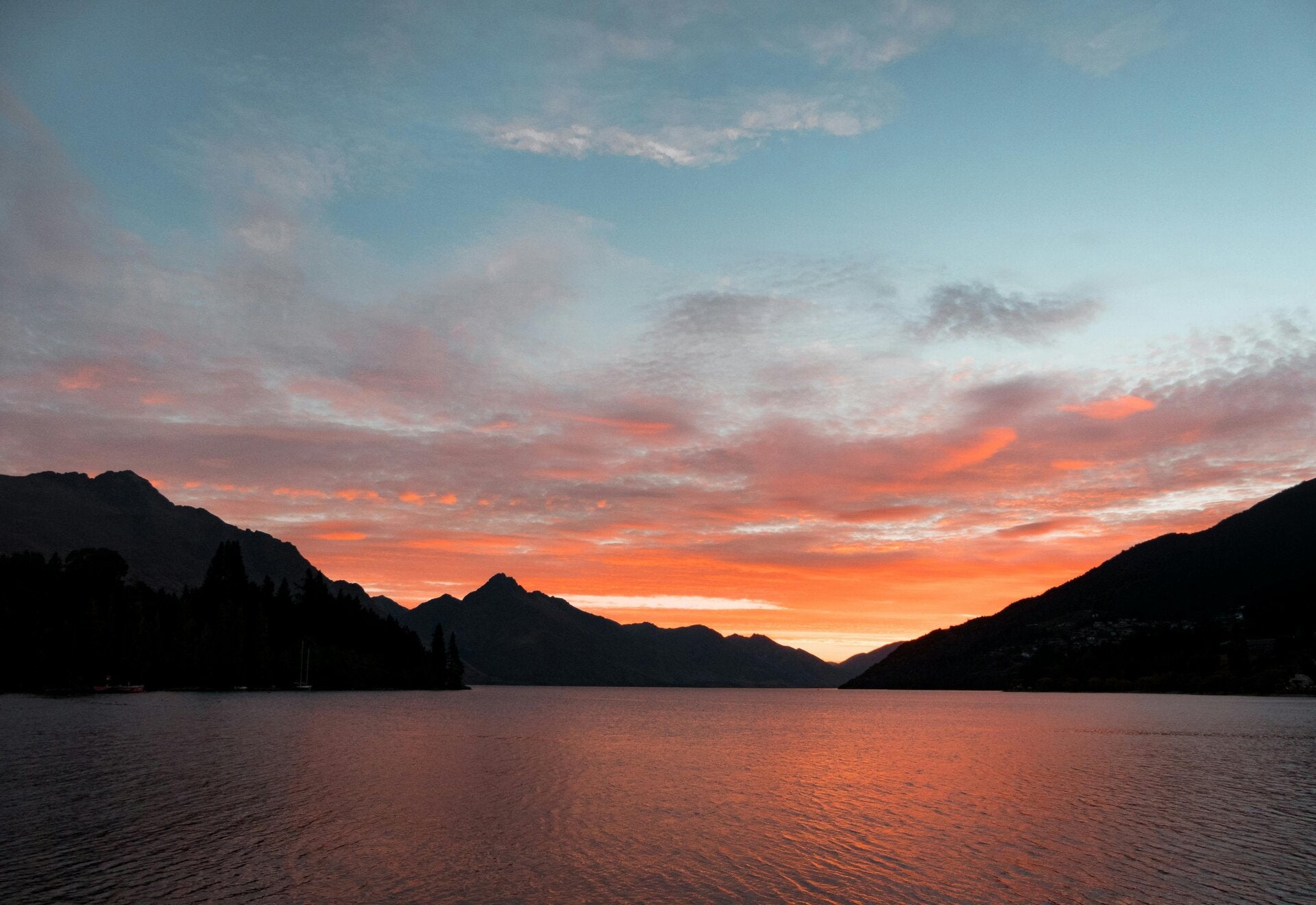
Milford Sound sunrise / Doubtful dawn — Fiordland
The adventure: Pre-dawn meet, dry bags zipped, and you’re on glass-black water under cliffs that go straight up. In Milford, sunrise lights Mitre Peak while waterfalls thread down around you; you’ll nose into shadowy coves and watch penguins or seals commute to work. Doubtful feels bigger, quieter, and more remote—layers of mountains receding like paper cut-outs. By mid-morning the wind usually picks up, so dawn is the money run.
- Why it’s great: Fiordland drama with zero engine noise; wildlife encounters feel intimate.
- Classic route: Milford shore → Harrison Cove/Bridal Veil Falls loop, or Doubtful’s Deep Cove arms (guided only).
- Best window: Year-round; clearest air after a storm, but any calm morning can be magic.
- Skill & gear: Go guided (mandatory for Doubtful, strongly recommended for Milford). Cold water = wetsuit/drytop, warm layer, gloves optional.
- Pro tip: Don’t fight the weather. If it’s honking, reschedule—whitecaps in a fiord aren’t fun.

Bay of Islands — Northland island-hopping
The adventure: Pick a calm day, load a sit-inside or sit-on-top, and hop between sandy nooks and little islands. From Paihia or Russell you can stitch a loop via Motuarohia (Roberton) Island for a short hill walk to the famous twin lagoons view. In settled weather you’ll snorkel straight off your kayak and picnic on a sand spit before cruising back with the tide.
- Why it’s great: Warm water (by NZ standards), endless route choice, easy swim-stops.
- Classic route: Paihia/Russell → Motuarohia → Urupukapuka bays → back with a tailwind/tide.
- Best window: Summer mornings; avoid wind-against-tide afternoons and strong NE/SW systems.
- Skill & gear: Confident beginner+ with route planning; PFD, VHF or phone-in-drycase, small anchor/line for snorkel stops.
- Etiquette: Stay clear of ferry lanes and give nesting birds wide berth on dunes.

The adventure: Twilight launch, paddles whispering, then into a narrow canyon where walls close in and the world goes quiet. Switch off headlamps and thousands of glow-worms light up like a star ceiling. On some tours you’ll also soak in lake-edge hot pools before paddling back under the Milky Way.
- Why it’s great: Zero swell, high “wow”; the contrast from dusky lake to bioluminescent cave is surreal.
- Classic route: Okawa Bay/Okere area → glow-worm canyon and back (guided).
- Best window: Year-round; calm evenings are key.
- Skill & gear: Beginner-friendly with a guide; warm layers, windproof, headlamp with red mode.
- Respect: Keep voices low and lights off in the canyon—bright beams stress the glow-worms.
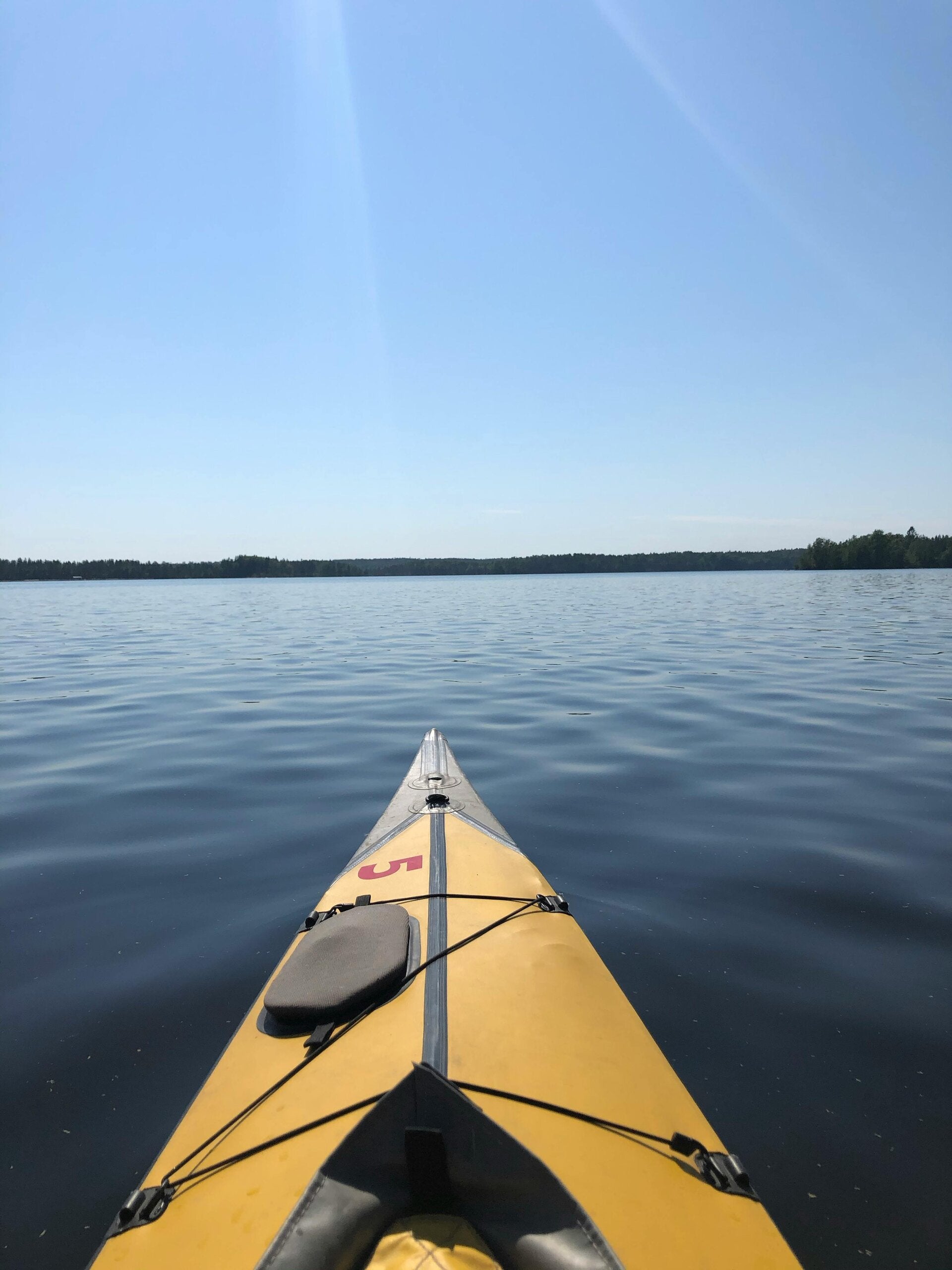
Paterson Inlet — Stewart Island (Rakiura) wildlife
The adventure: A big, sheltered inlet dotted with islands and history. Launch near Oban and paddle to Ulva Island (predator-free sanctuary) for a bush walk between bays, then glide along kelp forests where you might spot little blue penguins, shags, and sometimes sea lions. On super-calm days you’ll hear nothing but your blade drip and birdsong.
- Why it’s great: Birdlife, clear water, and a true “end-of-the-map” vibe—without open-coast exposure.
- Classic route: Golden Bay/Oban → Ulva Island circuit → Fisherman’s Bay/Marine Reserve edges → return.
- Best window: Summer/autumn; mornings are calmer. Winter days can be crisp and clear (dress warm).
- Skill & gear: Intermediate if self-guided (tides & wind matter). Dry layers, spare warm kit, PLB recommended.
- Local tip: Time landings with the tide—rock shelves get slippery at lows.

Marlborough Sounds (Kenepuru / Queen Charlotte) — Sheltered fjords
The adventure: Thread through green fingers of water with lodge decks and jetties to aim for. Kenepuru Sound is the most sheltered and beginner-friendly; Queen Charlotte adds longer crossings and bigger views. You’ll trace bushy shorelines, watch stingrays ghost over sand, and pull up for coffee at a resort before the gentle paddle home.
- Why it’s great: Choose-your-own distance, year-round options, café-to-cove lifestyle.
- Classic route: Portage/Anakiwa launches → bay-to-bay shoreline hugging with lunch at a lodge jetty.
- Best window: Mornings; watch for afternoon sea breezes funneling up-sound.
- Skill & gear: Beginner to intermediate; chart, wind/tide check, tow line for kids.
- Logistics: Water taxis can shorten days or rescue tired arms—book ahead in peak season.
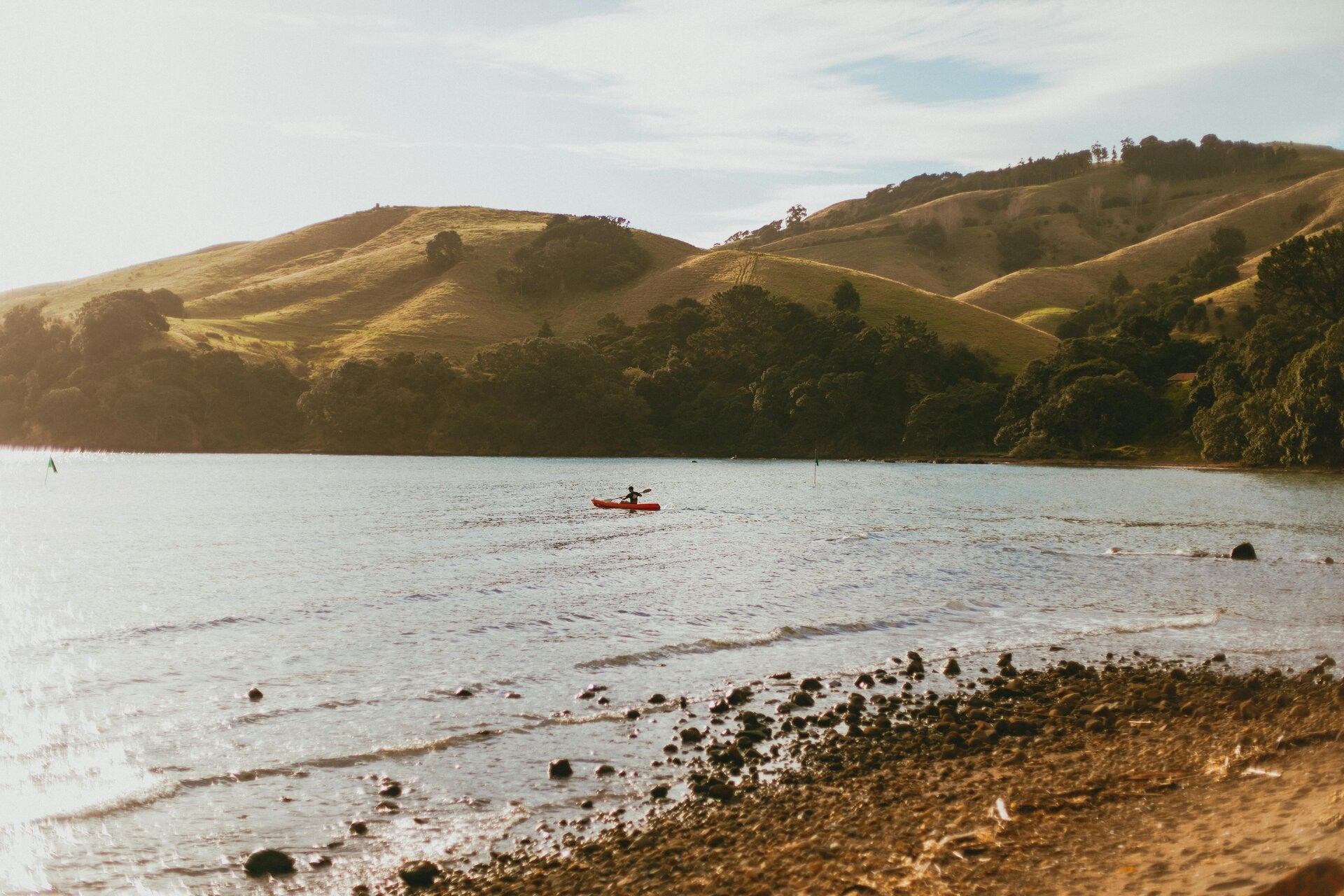
Catlins coast (experienced/guide) — Southland/Otago
The adventure: Wild, elemental, and absolutely not one to underestimate. On the right day (often autumn winter highs), paddling along sections near Cathedral Caves, Tautuku Bay, or Nugget Point delivers booming swell, sea caves, and wildlife encounters that feel prehistoric. On the wrong day, it’s a washing machine. Treat this as a guided trip unless you’re genuinely surf-zone and rock-garden savvy.
- Why it’s great: Raw South Pacific energy, dramatic cliffs, penguins and sea lions (give them space).
- Best window: Only on settled forecasts with small swell; variable winds make micro-calls essential.
- Skill & gear: Advanced sea kayaker or go guided. Helmets for rock-garden play, surf entries/exits competency, cold-water kit (drysuit/5mm suit).
- Safety: Big respect for rips and rebound; never box yourself in a cave with swell running.

Essential kayaking knowledge
Quick planner: how to pick your day
- Wind first, then tide: Under ~10 knots is the sweet spot for most paddlers. Plan routes to head upwind/outbound, downwind/home.
- Dress for immersion: Lakes and fiords are cold year-round—neoprene or dry layers beat cotton.
- Comms & nav: Phone in dry case (or VHF), downloaded map, spare battery.
- Group smarts: Stick tight in boat traffic and during open crossings. Agree on turn-times and bailout beaches.
- Wildlife rules: No chasing. Seals/pups: minimum 20 m; penguins: give them the whole cove.
- Hire & guides: Every location above has reputable outfitters—worth it for local wind/tide intel alone.
Ready for an adventure?
Start planning your kayaking trip today! Whether you're looking to book a guided tour, find the best kayaking spots, or learn more about kayaking safety, we've got you covered. Check out our recommended tours or browse our other articles for more inspiration.
