

Stand-up Paddle Boarding
Discover the magic of stand-up paddle boarding (SUP) in Aotearoa, New Zealand. Our guide covers a bunch of things you need to know for an unforgettable adventure on the water. From tranquil lakes to stunning coastlines, New Zealand offers diverse SUP experiences for all skill levels. Join Aotearoa Adventures as we explore the best spots and tips for your next paddle boarding journey.

Why sup in Aotearoa?
New Zealand's unique landscapes make it a SUP paradise. Imagine gliding across crystal-clear waters with breathtaking views of mountains, forests, and coastlines. The diverse environments offer something for everyone, whether you're seeking a peaceful paddle or an adventurous exploration. With its clean waters and stunning scenery, Aotearoa provides an unparalleled SUP experience. Whether you're a family looking for a fun day out, a solo traveller seeking adventure, or a seasoned surfer wanting to try something new, we've got you covered. Discover tips, locations, and advice tailored to your skill level and interests. Aotearoa Adventures welcomes all who want to explore New Zealand's waterways.

Lake Wainamu (night bio trips) — West Auckland
A dune lake tucked behind Bethells/Te Henga that feels otherworldly after dark. You paddle glassy black water ringed by sand and scrub, with stars overhead and bioluminescence sparking when the conditions line up. Daytime is great for a lazy explore; nighttime is pure magic.
- Best conditions: Light winds (≤10 kn), warm nights; avoid strong offshore westerlies that gust over dunes.
- Access & logistics: Park at Bethells Rd car park, 20–30 min walk along Wainamu Stream (you’ll wade—strap your board or carry an iSUP). No facilities at the lake.
- Rental/lessons: Book guided night-bio tours (boards, lights, safety brief included). Self-guided at night is not recommended unless you know it well.
- Local tips: Red headlamp to protect night vision; keep voices low and lights minimal to enjoy the glow. Pack out every scrap—this place is fragile.
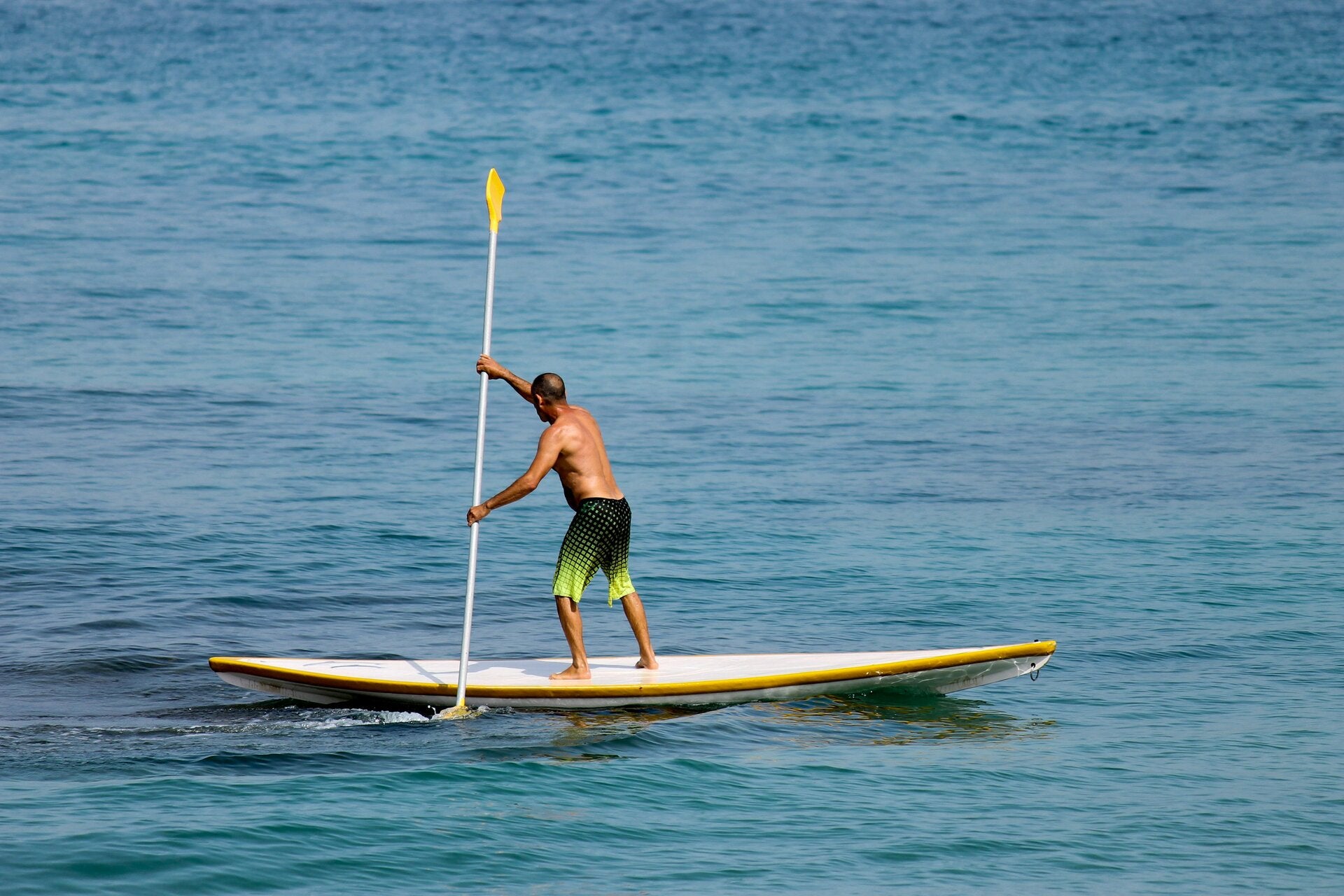
Bay of Islands coves — Northland
Sheltered bays, clear water, and an endless pick-a-cove playground. Launch at Paihia, Russell, or smaller beaches, then nose into pocket-sized lagoons, snorkel off the board, and picnic on a sand spit if the tide is right.
- Best conditions: Morning glass or light easterlies; avoid strong SW/NE systems and tide-against-wind chop.
- Access & logistics: Easy beach launches at Paihia Beach, Te Ti, Long Beach (Russell). Watch ferry lanes and boat wakes.
- Rental/lessons: Plenty on Paihia waterfront; guided half-day trips to quieter nooks are worth it.
- Local tips: Carry a short line/anchor for drift-free swims. Sunscreen + long sleeve—Northland UV bites.
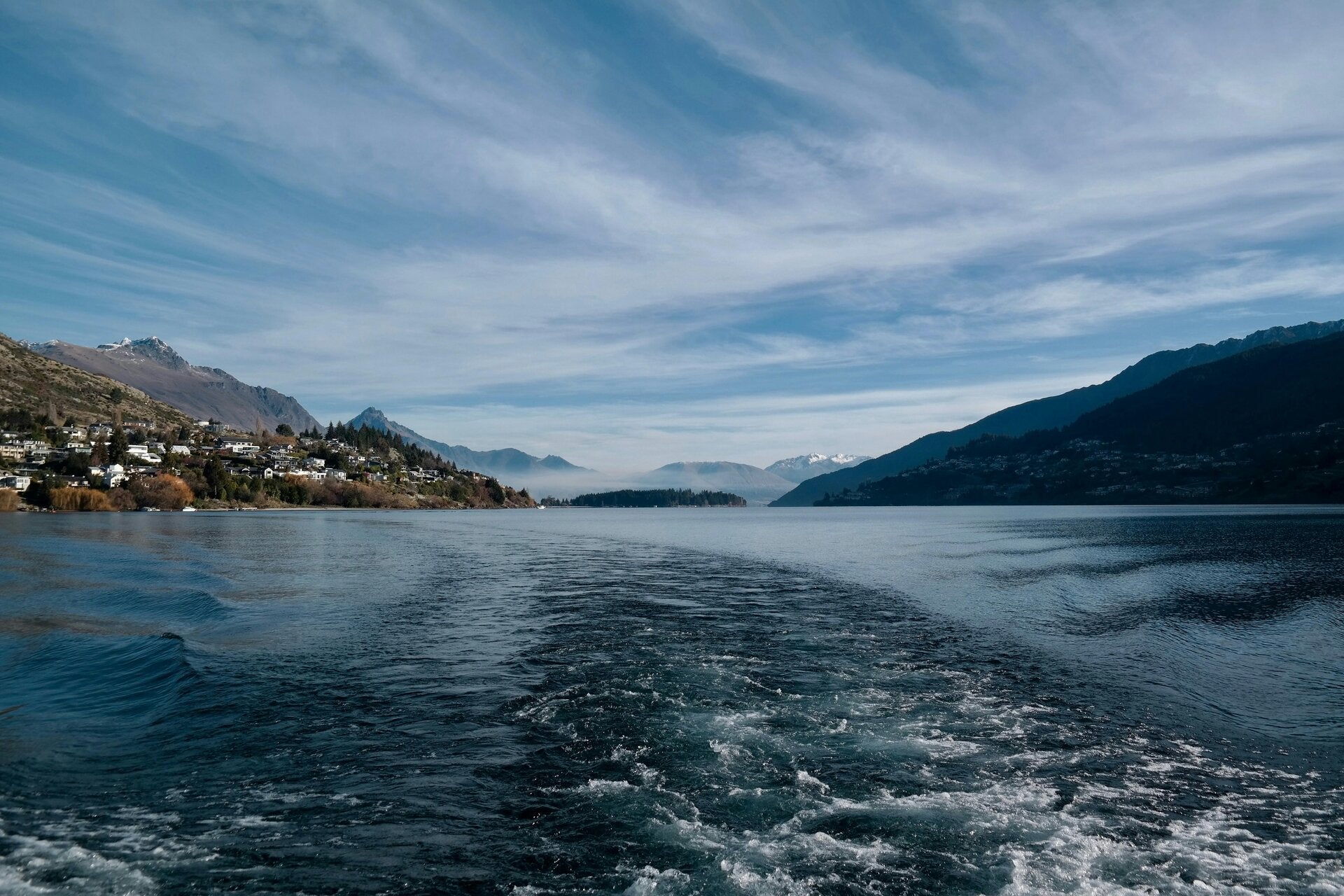
Lake Wakatipu (calm mornings) — Queenstown
When Wakatipu goes mirror-still, it’s unreal: mountains stacked like origami around slate-blue water. Hug the shoreline for café-to-cove cruising; on breezy afternoons it becomes a wind tunnel, so set alarms and chase dawn.
- Best conditions: Early mornings, ≤8–10 kn; katabatic winds often build late morning/afternoon.
- Access & logistics: Launch at Queenstown Bay, Frankton Beach, or Kelvin Heights (art trail = fun photo stops). Water is cold year-round.
- Rental/lessons: Queenstown Bay and Frankton have rentals; drysuit/wetsuit options in shoulder seasons.
- Local tips: Always paddle upwind first so you can glide home. Leash on; PFD mandatory (the water’s glacial).
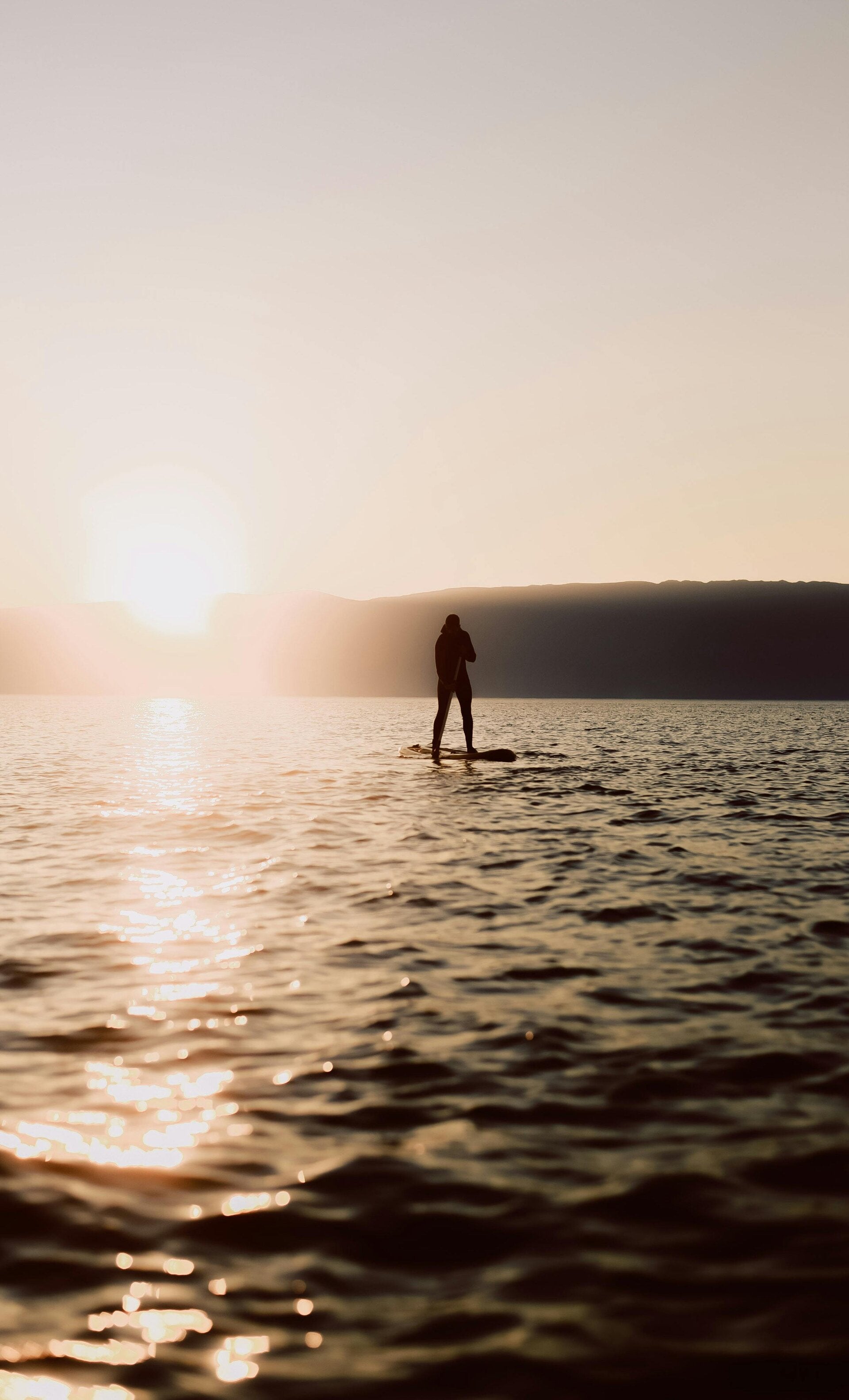
Lake Rotoiti & Lake Tikitapu (Blue Lake) — Rotorua
Two moods, ten minutes apart: Rotoiti is bigger, with bushy coves and hot-spring side missions; Blue Lake is compact, sapphire-clear, and ideal for relaxed laps with a picnic vibe.
- Best conditions: Light winds; mornings are calmest. Tikitapu is more sheltered than Rotoiti.
- Access & logistics: Blue Lake Reserve and Tarawera Rd beaches for Tikitapu; Okere Falls / Hinehopu / Okawa Bay for Rotoiti. Treat it as alpine-cold in winter.
- Rental/lessons: Seasonal rentals at lakes; year-round options in Rotorua town. Guided paddles to hot pools on Rotoiti are a treat.
- Local tips: Rinse gear after—Rotorua’s geothermal minerals can crust up fins and zips.
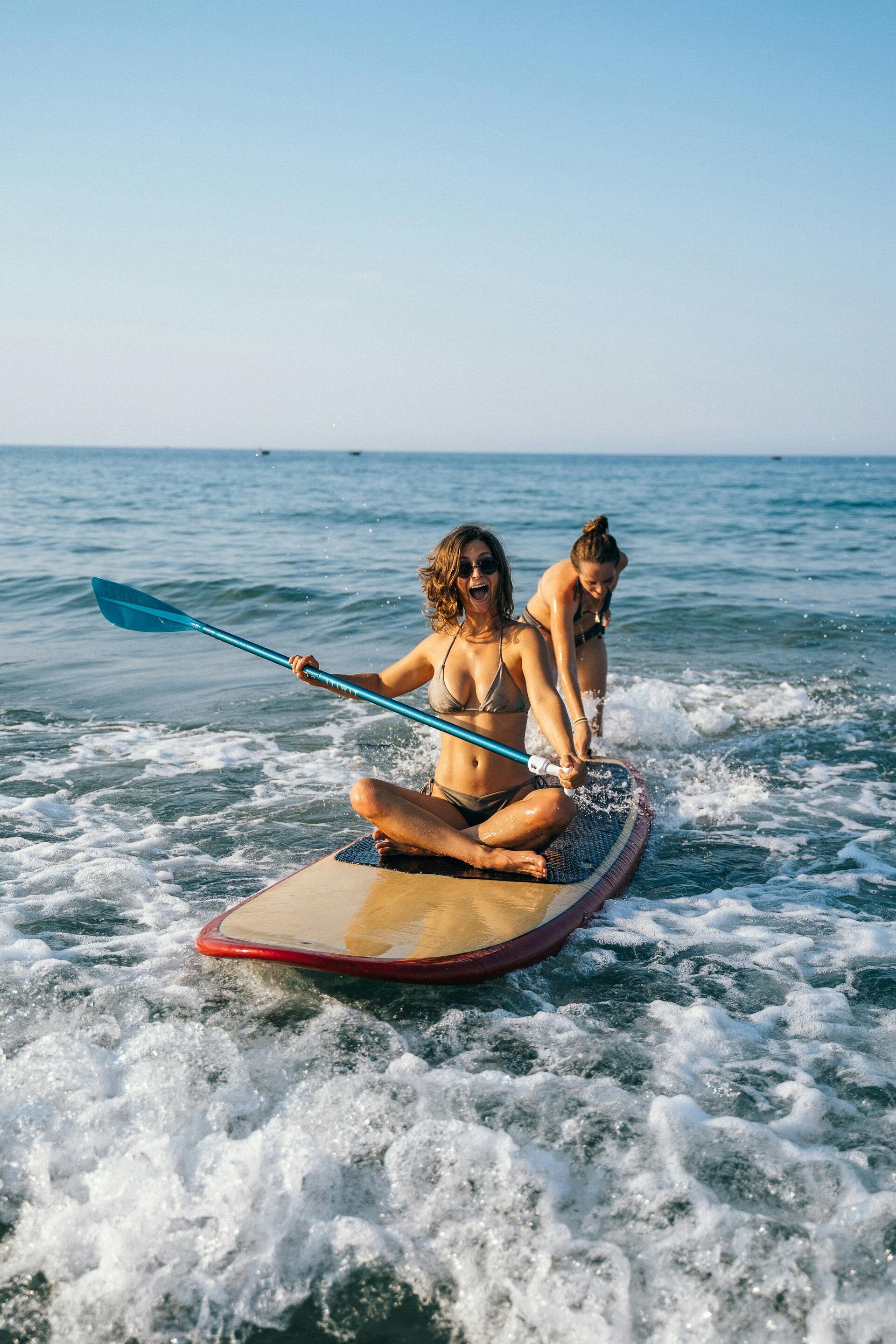
Abel Tasman beaches — Marahau/Kaiteriteri
Golden sand, turquoise water, granite headlands—Abel Tasman was built for SUP. Thread between beaches, seal-spot on calm days, and tuck into glassy shallows for swims. Mix a short paddle with a water-taxi hop if you want more coastline without the return grind.
- Best conditions: Morning high tide and ≤10 kn sea breeze. Northerlies pick up most afternoons—go early.
- Access & logistics: Launch at Marahau, Kaiteriteri, Little Kaiteriteri; stay inshore and mind water-taxi wakes.
- Rental/lessons: Beachfront rentals everywhere; guided trips and bag-drop combos if you want to walk one way, paddle the other.
- Local tips: Reef shoes help on shell/rocky entries. Keep a long leash tidy around kelp near headlands.
Ōhope / Ōhiwa Harbour — Bay of Plenty
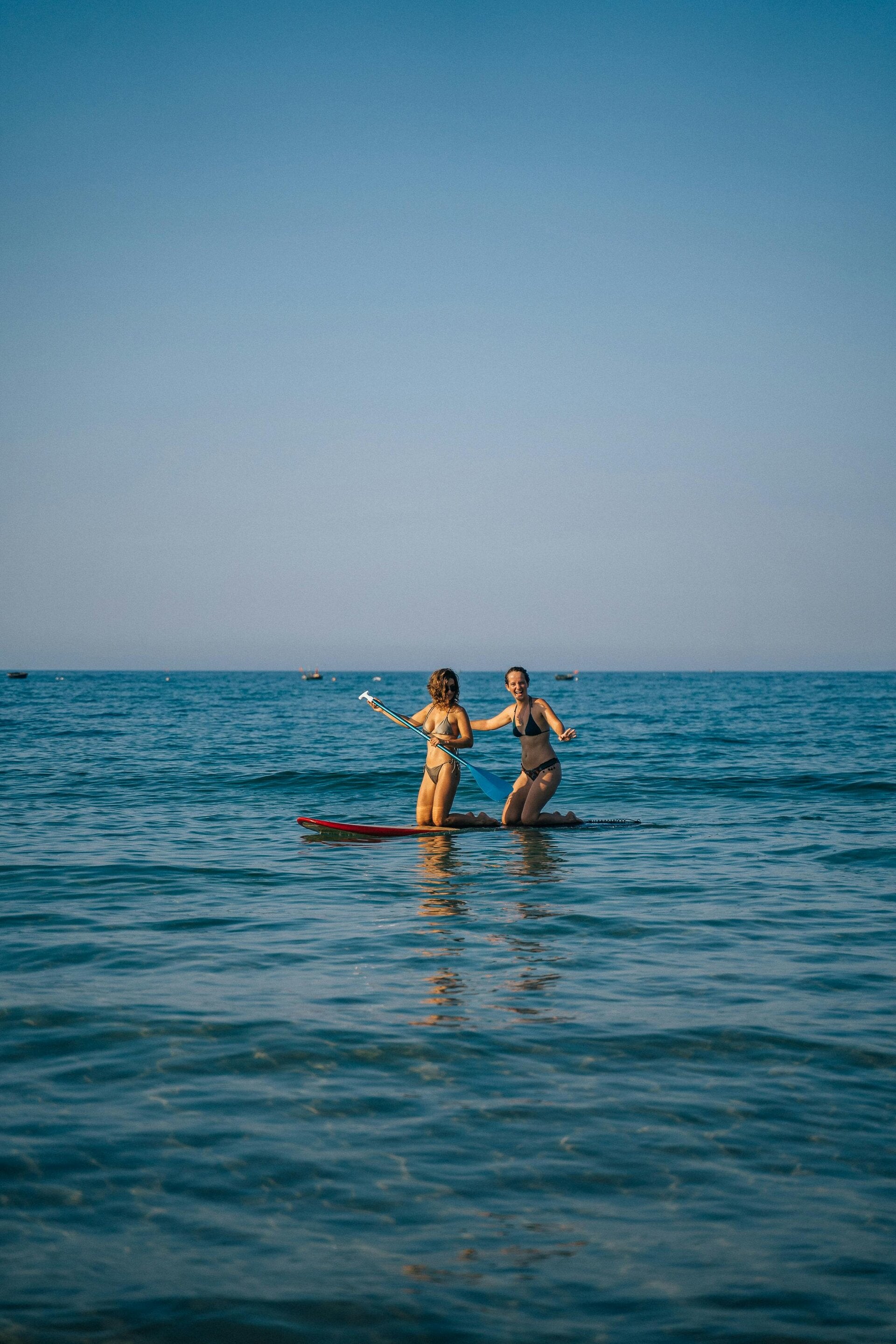
One side surf, the other side serenity. The harbour is a sheltered maze of sandbanks, mangroves, and birdlife—perfect for beginners, families, and nature paddles. Slide out to the ocean beach on very calm days if you’re surf-curious.
- Best conditions: Incoming to high tide for deeper channels; ≤10 kn. Avoid strong easterlies.
- Access & logistics: Launch at Port Ōhope Wharf or Burrows St Reserve; study tide charts—stranding on banks is a thing.
- Rental/lessons: Rentals in Ōhope; harbour lessons great for first timers.
- Local tips: Give birds space (especially roosting dotterels). Take a phone in a dry pouch—tidal flows can surprise you.
Tahunanui Beach — Nelson (sheltered days)
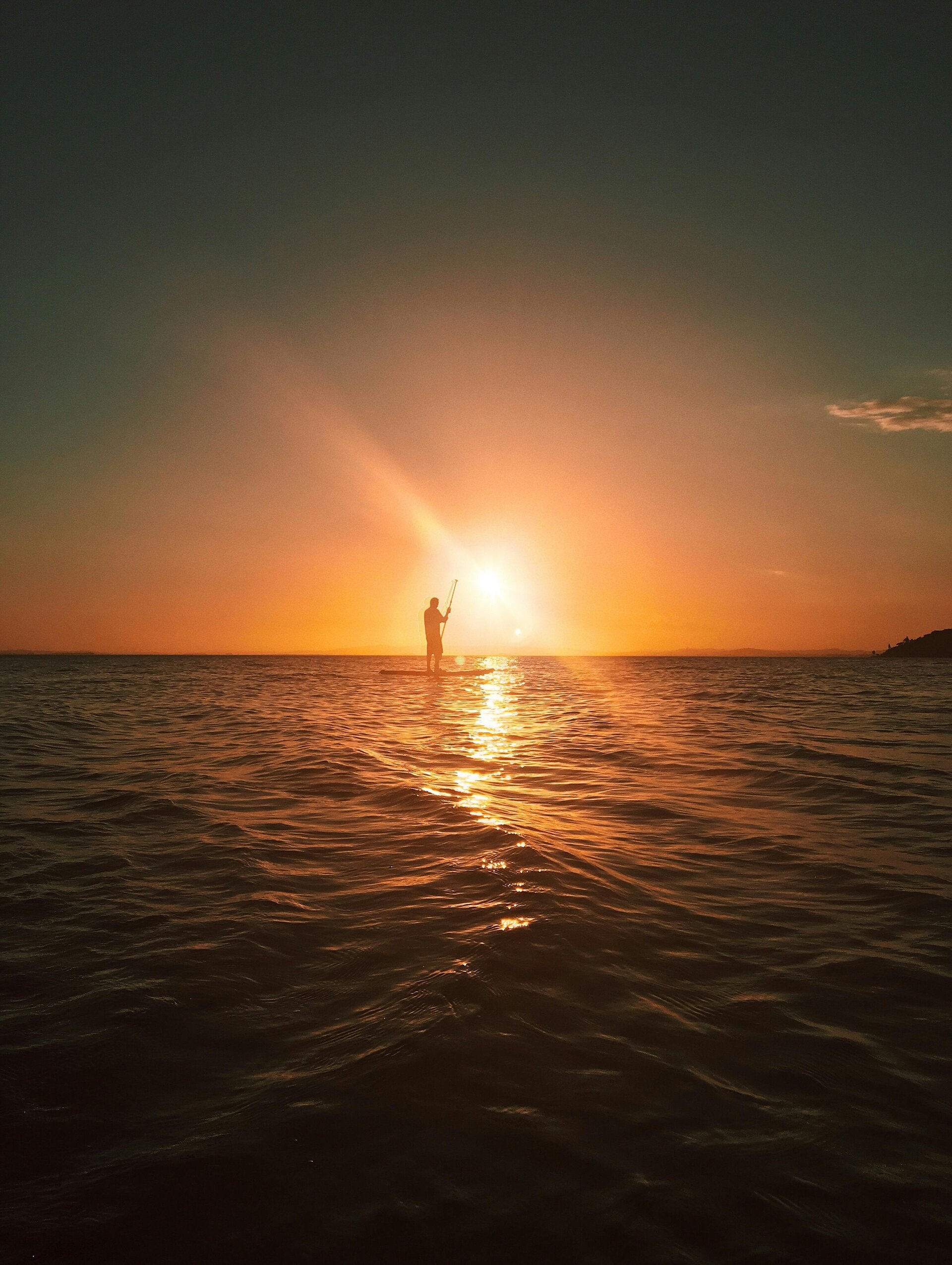
A long, shallow crescent that’s pure cruiser heaven when the bay is calm. Sandbars and warm, waist-deep water make it super beginner-friendly; when the afternoon breeze fills in, it morphs into a fun chop-playground for confident paddlers.
- Best conditions: Mornings; light sea breezes later. Check for offshore winds which can push you out.
- Access & logistics: Park close to the sand at Tahuna; heaps of facilities and cafés.
- Rental/lessons: On-beach rentals in summer; schools run intro sessions and kids’ classes.
- Local tips: Note your launch landmark—long beach, easy to overshoot your car on the way back.

Lake Taupō bays — Waikato region
Big-lake energy with plenty of sheltered pockets. Choose bays like Acacia, Kinloch, Wharewaka, or Two Mile for easy entries and volcanic-rock shorelines. On crystal days you’ll see the bottom drop away under your fin.
- Best conditions: Early starts (winds build with the day); ≤10 kn.
- Access & logistics: Multiple public beaches; cold water in winter/spring—dress for immersion.
- Rental/lessons: Taupō town lakefront, Kinloch in summer; guided trips to carvings by kayak are common (SUPs sometimes join when calm).
- Local tips: Watch for boat wakes near ramps; carry a hi-vis deck bungee or flag if crossing open pockets.

Safety & etiquette (read this bit, please)
- Leash: Always. Waist quick-release for rivers/tidal current; ankle for lakes/ocean (no entrapment risk).
- PFD: Wear one (inflatable belt or foam). Cold water = less debate, more flotation.
- Wind: Your biggest factor. Check forecast, paddle upwind first, and set a turn-time. Offshore wind? Don’t go.
- Tides/currents: Harbours and bays move; plan around the tide window, especially at Ōhiwa and Abel Tasman estuaries.
- Traffic & wildlife: Keep clear of boat lanes; give seals/birds generous space; no chasing for photos.
- Leave no trace: Pack out everything; low light and low noise on night-bio paddles.
Must-visit locations
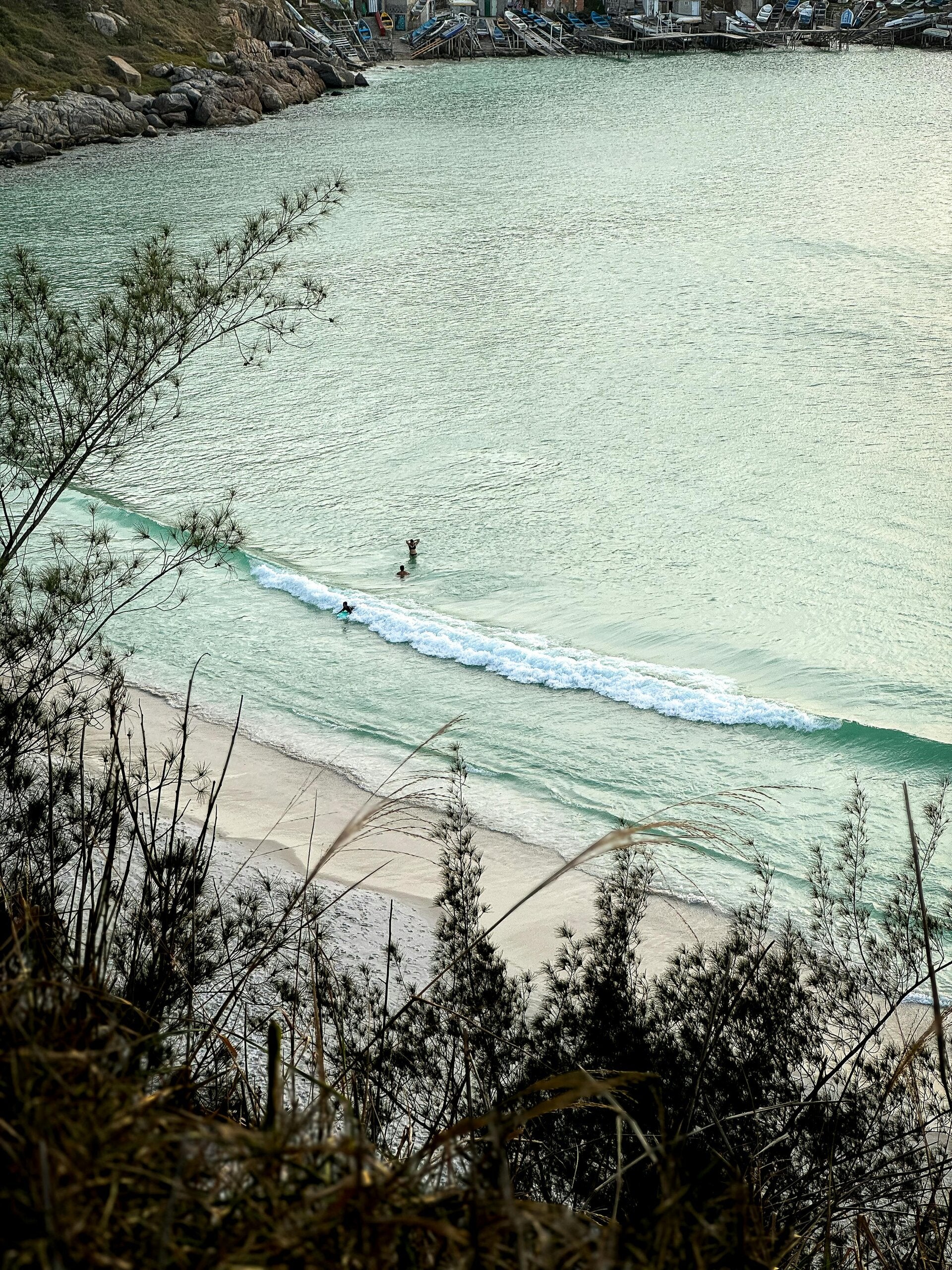
Bay of Islands: With its sheltered waters and stunning islands, it's perfect for all skill levels.
Abel Tasman National Park: Explore golden beaches and turquoise waters in a truly picturesque setting.
Lake Taupō: New Zealand's largest lake offers calm waters and beautiful views of the surrounding mountains.
Fiordland National Park: Experience the dramatic beauty of Milford Sound and Doubtful Sound from a unique perspective.
Coromandel Peninsula: Discover hidden coves and pristine beaches along this stunning coastline.
Essential tips
Check the weather: Always monitor weather conditions before heading out. New Zealand weather can change quickly.
Wear appropriate gear: Use a personal flotation device (PFD) and dress in layers to stay comfortable.
Protect yourself from the sun: Wear sunscreen, a hat, and sunglasses, even on cloudy days.
Start with calm waters: Choose sheltered locations for your first SUP adventure.
Take a lesson: Consider taking a lesson from a certified instructor to learn proper techniques.
