

Wildlife & Nature Tours in Aotearoa: where the wild things still run the show
If you come to New Zealand for the scenery and leave raving about the wildlife, welcome to the club. Predator-free islands hum with birdsong that went missing on the mainland for a century. Fiords and coasts serve whales, dolphins, and albatross at eye level. Even our cities are sneaking nature back inside the fence. Below are five tours I’d happily send my best mates on, each one easy to plan, big on payoff, and run by outfits that treat the animals like neighbours, not props.

Ulva Island (kiwi by night) — Stewart Island
By day, Ulva is a masterclass in what New Zealand once sounded like: tūī and korimako arguing over nectar, kākā creaking through rimu, and robins bold enough to check your boot laces. After dark, the magic doubles. Guided night walks on Rakiura/Stewart Island (often on Ulva or nearby tracks) tune your ears to rustle, snuffle, pause—the rhythm of southern brown kiwi foraging just metres away. Guides carry dim red lights, read tracks and calls, and keep groups small so the birds stay relaxed. You’ll learn how the island went predator-free, why leaf litter matters, and how to move quietly enough to feel part of the forest rather than a visitor. Dress warm, ditch perfume, keep phones on airplane/red-light mode, and follow your guide’s spacing; the best encounters happen when humans fade into the background.

Otago Peninsula — Albatross & penguins
A short hop from Dunedin, the Peninsula delivers two bucket-list moments without turning it into a zoo. At Taiaroa Head, the Northern Royal Albatross colony sends aircraft-sized wings arcing over the cliffs, and a good guide will help you read wind lines so you’re looking the right way when a bird floats past at head height. Late afternoon, licensed operators usher you to protected hides for hoiho / yellow-eyed penguins returning from sea, or to little-blue penguin landings after dark—no torches, no flashes, just soft red light and patience. Between the headlands you’ll likely spot fur seals piled on rocks and shags drying wings on posts. The tour rhythm is gentle and respectful: short walks, time in hides, stories that make the science stick, and strict distance rules so the birds call the shots. Layers, binoculars, and a calm evening forecast improve your odds.
Kaikōura — Whales / dolphins / albatross
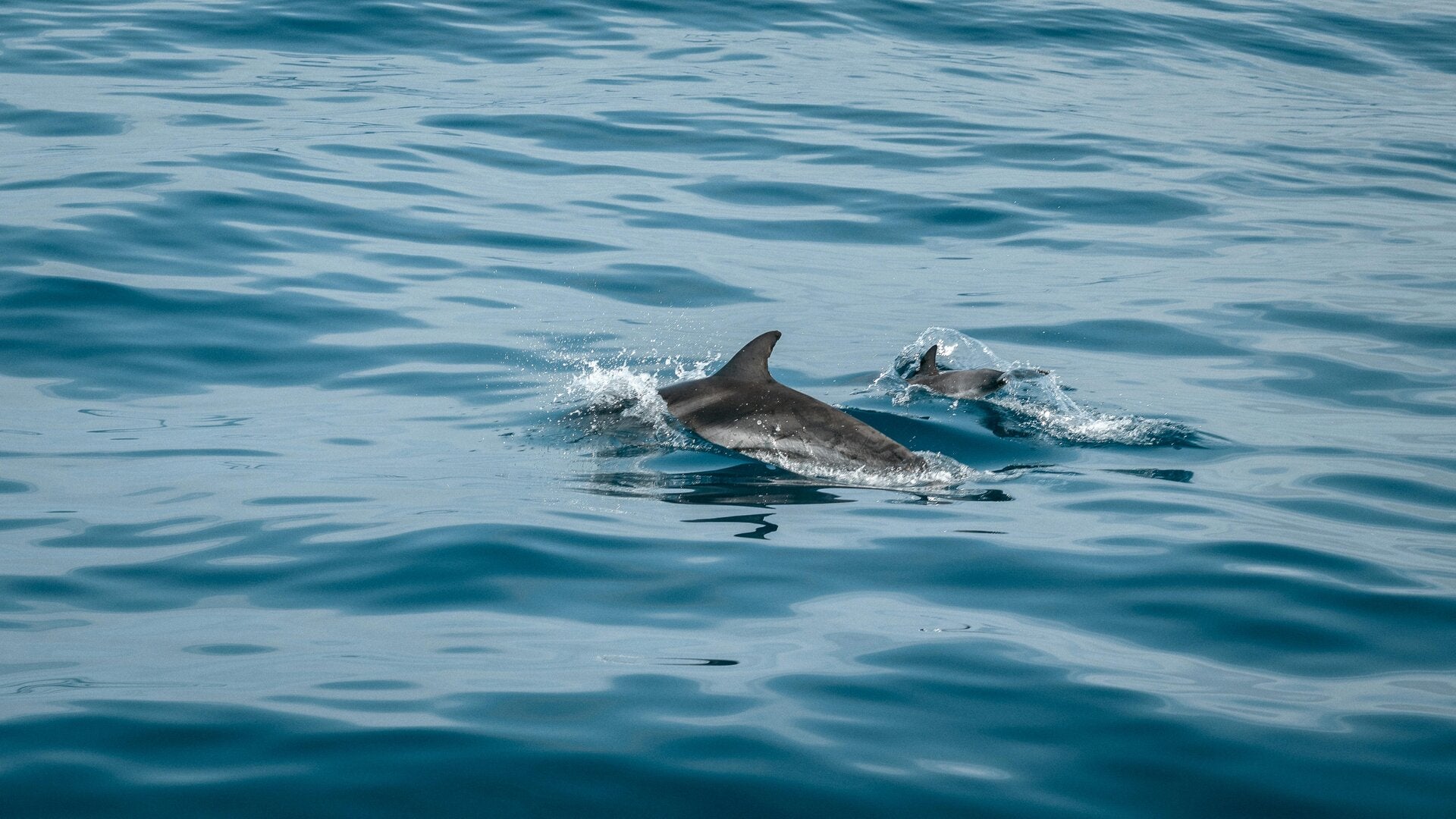
Kaikōura is a marine buffet line where the deep-sea canyon brushes the coast and everything with fins shows up for snacks. Year-round sperm whales surface to breathe and recharge between dives; in season you might add migrating humpbacks or orca. Dolphin cruises meet acrobatic dusky pods that seem to enjoy you as much as you enjoy them, while dedicated bird trips lure wandering and royal albatross, petrels, and shearwaters right to the boat (the wingspans are unreal up close). Skippers read weather, swell, and the animals’ behaviour to keep encounters smooth and ethical; if the sea’s lumpy, they’ll warn you early and steer you to the best time of day. Dress like it’s colder than town, bring a hat and motion meds just in case, listen for the “no chasing, no touching” briefing, and keep cameras on wrist straps—this is one place you’ll actually use burst mode.

Tiritiri Matangi — Predator-free sanctuary
Forty minutes by ferry from Auckland and the soundtrack flips from traffic to tūī, tīeke, and kōkako duets. Tiritiri Matangi is a restoration success story: volunteers replanted a bare farm into a living forest, and now the tracks weave past feeding stations and fruiting shrubs buzzing with birds you may never have seen in the wild. Start with a guided walk—the wardens are walking encyclopedias who’ll help you spot stitchbirds and riflemen you’d miss alone—then wander to sheltered bays for lunch and cheeky takahē encounters on the grass (give them space; they’re celebrities, not selfie props). The loop tracks are easy, the views are classic Hauraki Gulf, and the rules are simple: clean shoes to protect the island, stick to paths, keep food sealed, and let the birds come to you. It’s the easiest “wow, conservation works” day out from the city.

Zealandia — Urban rewilding
Step through the predator-proof fence in Wellington and it’s like someone turned the clock back a century. Zealandia is a valley sanctuary where kaka commute overhead, shags nest over the water, and if you time it right, little spotted kiwi shuffle past on night tours. By day, the tracks are gentle and well-signed, with hides for watching tūī brawl over flax and kākāriki flashing through the canopy; by night, guides lead small groups with red lights, tuning you to kiwi footprints, wētā hideaways, and morepork calls. The museum-style exhibition at the visitor centre explains how the fence works, what it keeps out, and how that one simple line has changed everything for the species inside—and, increasingly, outside as birds spill into the suburbs. Book a tour if you can; you’ll see twice as much and understand ten times more. Bring layers (Welly weather), keep voices low, and enjoy the feeling of a city learning to live with wild neighbours again.