

ABEL TASMAN & NELSON TASMAN
5 Best Things to Do in Abel Tasman National Park, New Zealand: A Complete Travel Guide
Abel Tasman is quite different from the South Island destinations that tend to get described as dramatic.
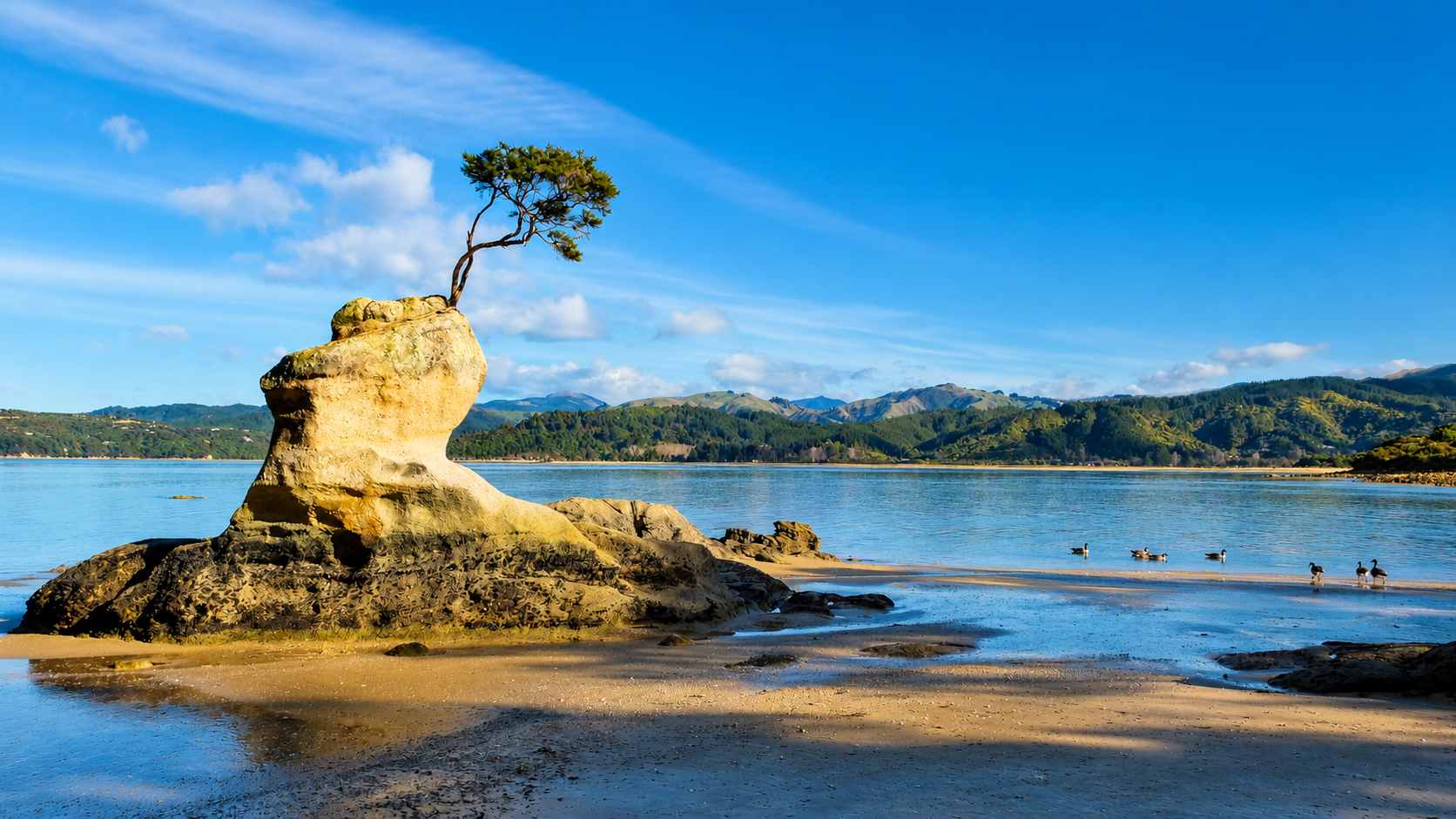
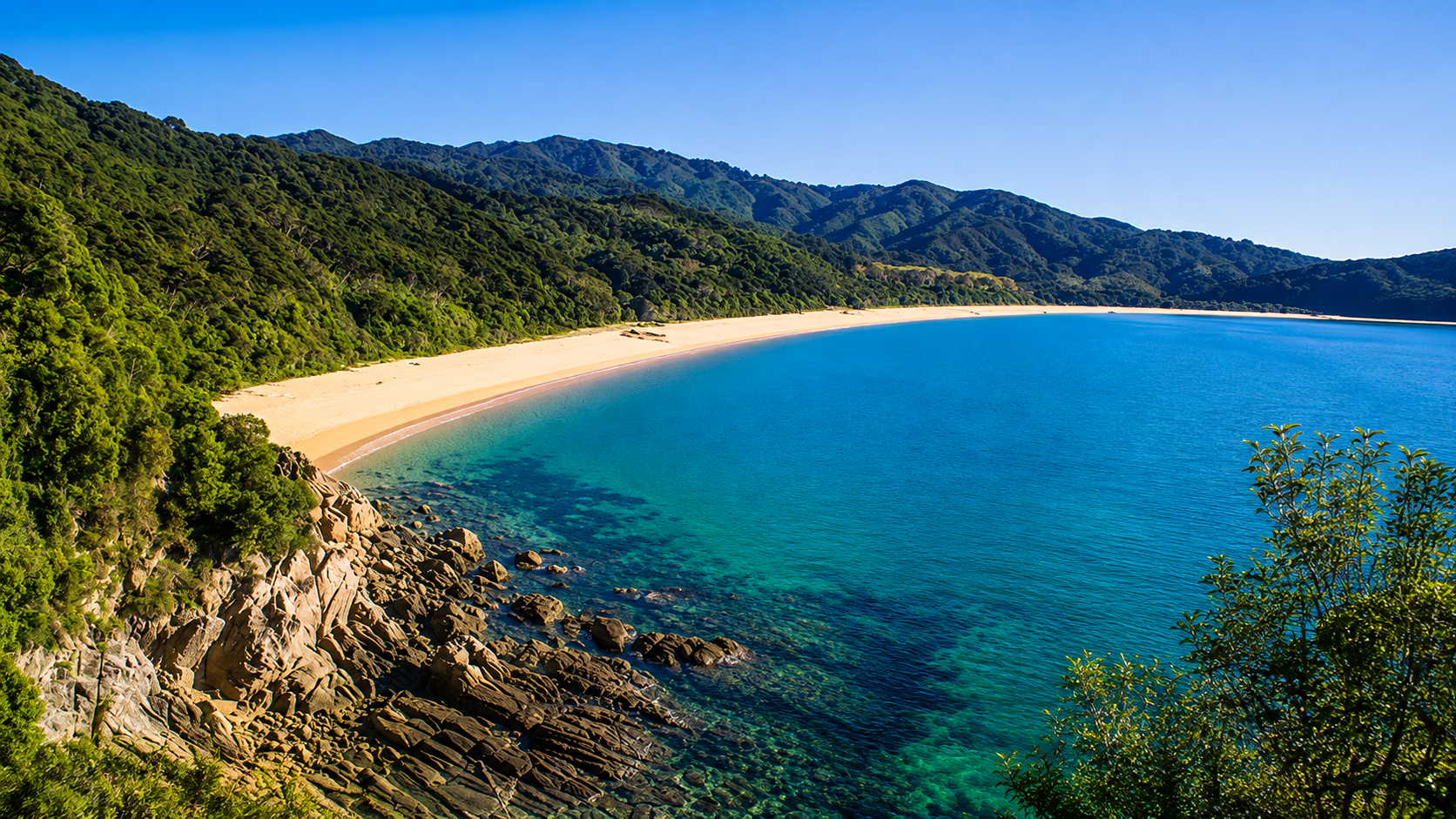
There are no enormous glaciers hanging above the road like the West Coast, and you are not surrounded by the same high alpine landscape you find around Aoraki/Mount Cook or Queenstown. Abel Tasman feels softer than that, with golden beaches, clear blue-green water, native forest and a coastline made up of sheltered bays, rocky headlands and small islands.
That change of scenery is exactly why I think it deserves a place on a South Island itinerary.
After several days of mountains, long drives and big adventure activities, Abel Tasman gives you the chance to slow things down without becoming boring. You can spend the morning kayaking along the coast, pull onto a beach for lunch and then walk back through the forest. The next day might involve a water taxi deeper into the national park, a swim at Anchorage and a few hours on the Coast Track. If you want something more adventurous, you can spend a full day canyoning through Torrent River instead.
What I particularly like about Abel Tasman is that you can make the trip as easy or as adventurous as you want.
You do not need to walk the entire Great Walk to experience it properly. You do not even need to be a particularly serious hiker. Water taxis connect the main bays, kayak operators make it possible to explore the coastline from the sea, and the Coast Track can be broken into manageable day sections.
At the other end of the scale, you can disappear into the park for several days, carry everything you need between huts and campsites and wake up beside a beach with no road anywhere nearby.
Both versions work.
For a first visit, these are the five Abel Tasman experiences I would build the trip around.
Walk Part of the Abel Tasman Coast Track
1. Walk Part of the Abel Tasman Coast Track
Best for: First-time visitors, hikers, couples and families
Allow: A few hours to several days
My pick: Use a water taxi and walk one good section rather than doing an out-and-back walk
My verdict: If you only do one thing in Abel Tasman, spend some time on the Coast Track
The Abel Tasman Coast Track is one of New Zealand's Great Walks, but I think the name can make it sound more intimidating than it needs to be.
You do not have to carry a heavy pack for several days or walk the entire national park from end to end.
In fact, one of the best things about this particular Great Walk is how easily you can turn it into a day trip.
The track follows the coastline through native bush, climbing over headlands before dropping back towards beaches and estuaries. There is rarely one single enormous viewpoint that you are walking towards. Instead, the scenery changes constantly. You spend some time under forest, round a corner and suddenly see another bay below you, then descend towards the sand before heading back into the trees again.
That variety makes the walking much more enjoyable than simply following the same landscape for hours.
The full Coast Track can take several days, but DOC specifically allows visitors to combine walking with water taxis and kayaking, which makes it one of the most flexible Great Walks in New Zealand.
Mārahau to Anchorage
If this is your first visit and you want to start at the beginning, the section from Mārahau towards Anchorage makes a lot of sense.
Mārahau is the southern gateway to the national park, and once you leave the settlement behind, the track gradually begins giving you the classic Abel Tasman combination of forest, tidal flats and coastal views.
Anchorage is one of the most popular destinations inside the park, and for good reason. The beach is wide, sheltered and beautiful, and there are several nearby walks and side trips you can add if you have enough time.
You can walk in and catch a water taxi back, or do the trip in reverse.
Personally, I prefer using the boat for one direction.
Walking all the way to a beautiful beach, sitting down for a while and then knowing you do not need to retrace every step has a lot going for it.
Anchorage to Bark Bay
If you want a section that feels slightly further into the park, I would look closely at Anchorage to Bark Bay.
This gives you a particularly good mixture of beach, forest and estuary scenery, and you cross the Falls River on a 47-metre suspension bridge along the way.
The standard route makes a very manageable day walk for active visitors, particularly when you organise a water taxi at either end.
This is the sort of Abel Tasman day I really like because it never becomes complicated.
Get on the boat in the morning, walk somewhere beautiful, stop for lunch when you feel like it and finish on another beach.
There is no need to turn it into an endurance event.
Cleopatra's Pool
If you are around Anchorage and Torrent Bay, it is worth considering the side trip to Cleopatra's Pool.
The pool sits in the forest away from the main coastline and has a natural rock waterslide and clear water. It can make a brilliant stop on a warm day, particularly if you have already been walking for a while.
I would not expect to find it completely empty during summer.
If you have seen it online, plenty of other people have too.
That does not stop it being worth visiting.
The Tides Matter
This is the practical detail you should understand before planning any longer Abel Tasman walk.
Some sections of the Coast Track depend on the tide.
At Torrent Bay, the estuary can normally be crossed for around two hours either side of low tide, although there is also an all-tide route around it.
Awaroa Inlet is different. There is no alternative track around the estuary. DOC currently states that walkers can cross from roughly 1 hour 30 minutes before low tide until 2 hours after, and the crossing should only be made in daylight when conditions are safe. Heavy rain, storm surges and unusual tides can affect that window.
This is not something I would guess from memory.
If your itinerary involves Awaroa, check the official tide table when you plan the walk.
The sea gets a vote in your schedule here.
Should You Walk the Whole Great Walk?
If you enjoy multi-day walking, absolutely consider it.
The Coast Track gives you the chance to experience Abel Tasman slowly, and I think that suits the national park particularly well.
Instead of racing between bays to catch a water taxi, you have time to stop.
You can swim.
Sit on a beach.
Reach your hut or campsite in the afternoon and realise you have nowhere else you need to go.
DOC huts and campsites on the Great Walk need to be booked in advance throughout the year, and bookings are currently open for the 2026/27 season.
If you are visiting in peak summer, I would organise those nights well before you arrive.
Aotearoa Adventures Tip
For most first-time visitors, I would choose one really good section of the Coast Track and combine it with a water taxi.
You see more of the park, avoid retracing the same trail and get to experience Abel Tasman from both land and water.
2. Kayak Along the Abel Tasman Coastline
Best for: Couples, adventure, wildlife and active travellers
Allow: Half a day to several days
My pick: A kayak-and-walk combination for a first visit
My verdict: Probably the activity that feels most naturally suited to Abel Tasman
If walking gives you one side of Abel Tasman, kayaking gives you the other.
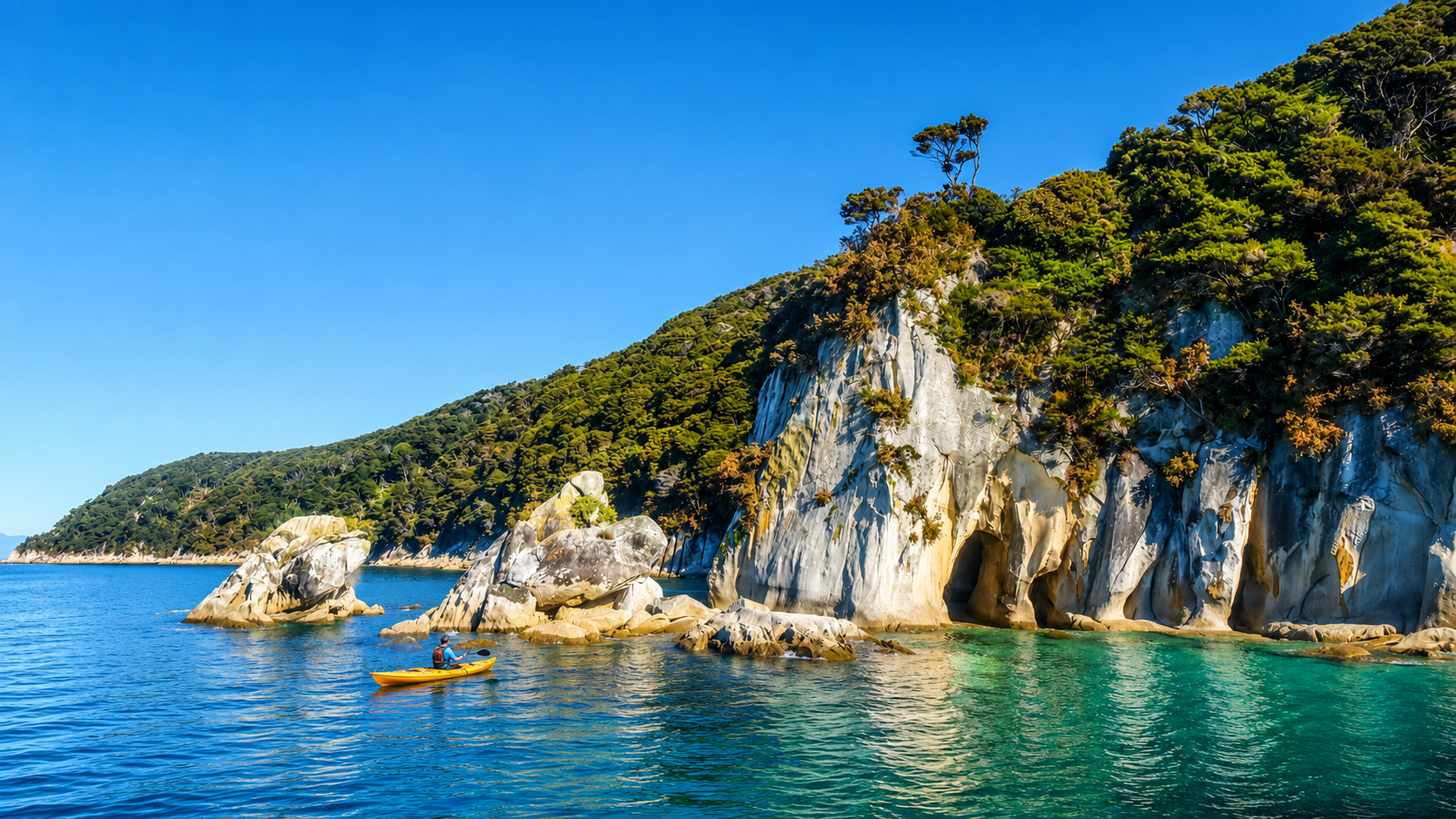
From the Coast Track, you spend a lot of time looking down towards the beaches and bays. From a kayak, you are moving between them at water level, which makes the whole coastline feel completely different.
Rocky headlands become more interesting when you are paddling around them. Small beaches you barely noticed from the track suddenly become possible lunch stops, and the islands offshore begin to feel like part of the national park rather than something sitting in the distance.
For me, sea kayaking is probably the most naturally “Abel Tasman” activity you can do.
The coastline lends itself to it.
The southern waters are relatively sheltered, there is a constant succession of beaches and inlets to explore, and current local operators offer everything from two-hour rentals to multi-day guided and independent trips.
What Kayaking Here Actually Feels Like
On a calm morning, it can be incredibly peaceful.
You are low on the water, moving quietly along the coast while the forest and beaches pass beside you. There is enough physical effort involved that it feels like you are doing something, but the pace is slow enough that you still have time to look around.
Then the wind changes and you remember that this is still the sea.
That is why I would not treat Abel Tasman kayaking as exactly the same as paddling around a sheltered city lake.
Sea conditions matter.
Wind matters.
Tides matter.
If you have little or no sea-kayaking experience, I think a guided trip is money well spent.
Guided or Independent Kayaking?
I would go guided if you are new to sea kayaking.
The guide does much more than show you where to paddle. They understand local conditions, tides, safe landing areas and the way the wind behaves around different parts of the coast.
You also learn more about the national park and wildlife than you probably would while concentrating on keeping your kayak pointing in the correct direction.
Freedom kayak hire makes more sense for people with confidence and appropriate experience who genuinely want to set their own pace.
Current options range from single-day rentals around the southern coast to multi-day journeys with camping along the way.
Kayak and Walk in the Same Day
For somebody with only one day in Abel Tasman, this might be my favourite choice.
There are trips where you kayak one section of the coast and walk another, using a water taxi to connect everything.
That means you do not have to decide whether walking or kayaking is the “better” experience.
You see the coastline from both perspectives.
That is exactly the type of paid activity I think works well for Aotearoa Adventures because the value is obvious. The tour is not simply adding a guide to something you could easily organise in five minutes. It is solving the logistics of boats, kayaks and different start and finish points while giving you a varied day.
COMPARE ABEL TASMAN KAYAK & WALK DAY TRIPS
Tonga Island Marine Reserve
If wildlife and marine life interest you, look at kayaking farther north through the Tonga Island Marine Reserve.
The reserve covers around 1,835 hectares along the Abel Tasman coast and includes beaches, coves, rocky shoreline and clear water that can be explored by kayak, swimming or snorkelling. New Zealand fur seals/kekeno breed along rocky sections of the reserve.
Seeing seals from the water can be a brilliant part of the day, but I would keep expectations realistic.
Wildlife is not running according to a tour timetable.
You may see plenty.
You may see very little.
That is how it should be.
If you do encounter seals, give them room. DOC currently advises remaining at least 20 metres away.
The coastline is already worth paddling even if every seal in the national park has apparently decided to be elsewhere.
Pulling Onto a Beach
This might actually be my favorite part of kayaking here.
You paddle for a while, find a beach, pull the kayak above the waterline and stop.
Have lunch, Go for a swim, Sit on the sand, then get back into the kayak and carry on.
It turns the whole day into a journey rather than an activity with a fixed start and finish point.
That feels exactly right for Abel Tasman.
How Fit Do You Need to Be?
For a shorter guided trip in good conditions, you do not need exceptional fitness.
You are still going to paddle, and your shoulders may remind you about that the next day, but the aim is not to train for an expedition.
Choose a trip that suits your ability.
A longer freedom journey is a completely different commitment from a half-day guided paddle.
Aotearoa Adventures Tip
If your dates are flexible, I would look for a morning kayak departure when conditions suit. Earlier water can often feel calmer, and there is something particularly good about paddling along the coast before the busiest part of the day.
Also apply sunscreen to your legs.
People somehow remember their face and completely forget that their knees have been sitting in direct sunlight for three hours.
Use a Water Taxi to Explore Abel Tasman's Beaches and Bays
3. Use a Water Taxi to Explore Abel Tasman's Beaches and Bays
Best for: Almost everyone
Allow: Half a day to a full day
My pick: Use the water taxi to create a one-way walking day
My verdict: One of the things that makes Abel Tasman unusually easy to explore
The water taxis are not just a way to get from one place to another.
They are part of how Abel Tasman works.
There is no normal road running along the coastline through the national park. Once you move beyond the gateway settlements, you walk, paddle or travel by boat.
I think that makes the experience better.
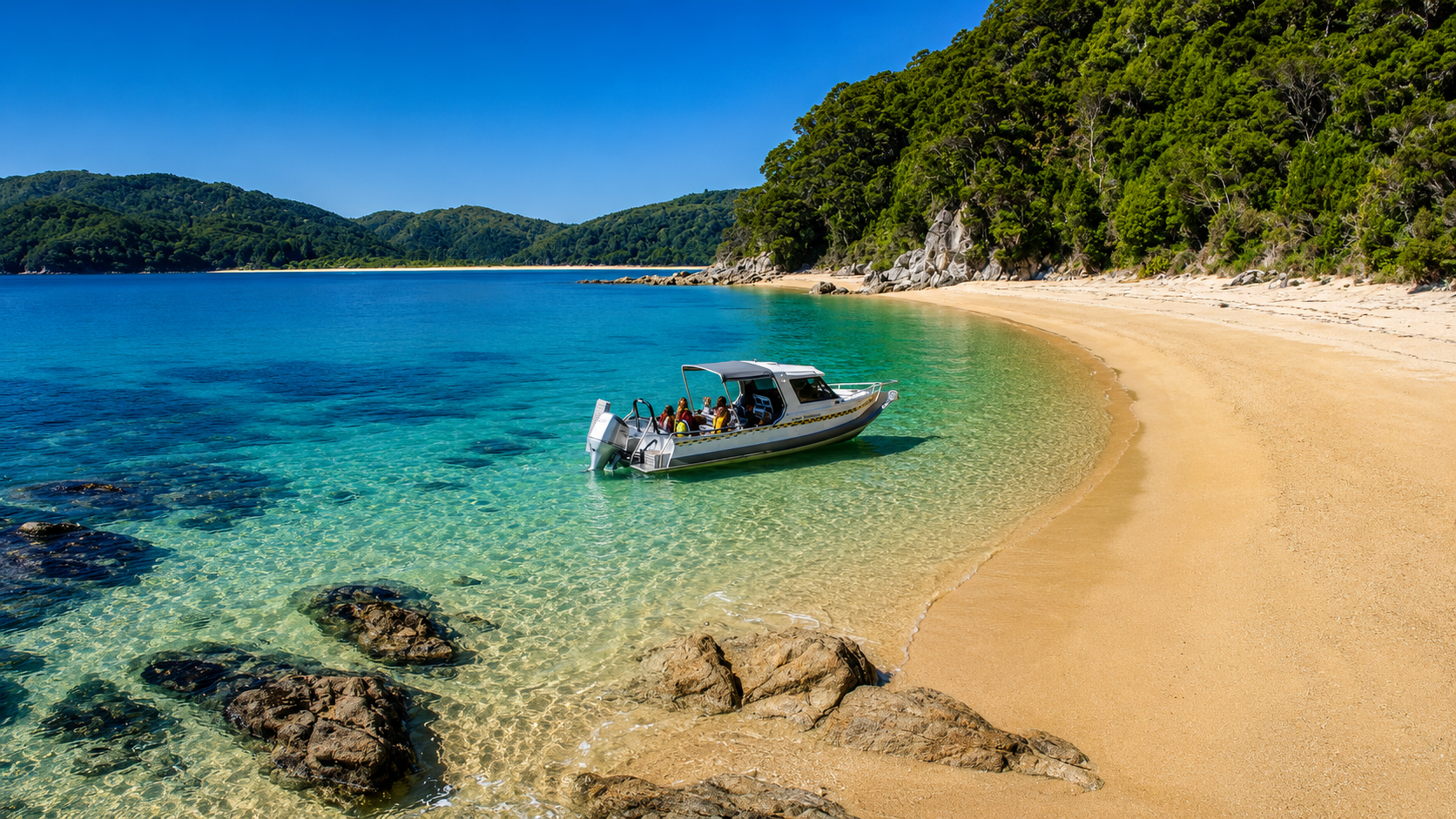
Rather than driving between attractions and parking beside each one, you get on a small boat and travel along the coast past beaches, headlands and islands before being dropped directly onto the sand.
Current services provide access from Mārahau and, seasonally, Kaiteriteri to the main bays including Anchorage, Bark Bay, Onetahuti, Awaroa and Tōtaranui. Services operate year-round, although timetables are more limited in winter.
That gives you a huge amount of flexibility.
Anchorage
Anchorage is probably the easiest beach to recommend for a first visit.
It is beautiful, large enough that it does not immediately feel cramped and connected to several good sections of the Coast Track.
You could catch a boat in, spend some time at the beach and then walk back towards Mārahau.
Or walk in and take the water taxi home.
Either way, it makes a very good day.
Bark Bay
Bark Bay feels a little farther into the park and works particularly well as part of a walking day.
One of the easiest organised options is to travel by water taxi to Bark Bay, walk the Coast Track south towards Anchorage and then catch another boat back. Current operator itineraries allow around three to four hours for the walk.
That is exactly the kind of day I would recommend to somebody who wanted a proper Abel Tasman experience without carrying overnight gear.
Onetahuti
Onetahuti takes you farther north and puts you alongside the Tonga Island Marine Reserve.
The beach is long, beautiful and feels noticeably more removed from the busy southern entrance to the national park.
This is where the combination of water taxi, walking and marine scenery starts feeling particularly good.
Awaroa
Awaroa is one of the most beautiful areas on the Coast Track, but it also needs more planning because of the tidal inlet.
If you are walking through the area, the tide determines when you can safely cross.
There is no all-tide alternative around Awaroa, so this is somewhere I would plan properly rather than simply deciding on the day that you will “see how it goes.”
The enormous sweep of sand exposed at low tide is also one of the landscapes that makes northern Abel Tasman feel very different from the busier bays around Mārahau.
Tōtaranui
Tōtaranui is another classic Abel Tasman beach and one of the main northern access points.
It is particularly useful for travellers combining the national park with Golden Bay, because it can also be reached by road from that side.
If you are staying around Tākaka, you do not necessarily need to travel all the way back around towards Mārahau to experience Abel Tasman.
This gives you a completely different way into the park.
The Water Taxi Ride Is Worth Enjoying
Do not treat the boat trip as dead time.
You see parts of the coastline you may never walk past, and the drivers often move through small bays and around islands on the journey.
For travellers who cannot or do not want to do a long hike, the water taxi is also one of the easiest ways to see a substantial part of Abel Tasman.
You can take a scenic ride, get off at a beach and enjoy the park without needing to walk 15 kilometres first.
Book the Return Trip
This sounds obvious, but it is worth saying.
If you are relying on a water taxi to collect you from a beach at the end of the day, make the booking.
Know the pickup point.
Know the time.
Be there early.
Current services vary between summer and winter, and some bays have more limited pickup arrangements than others.
I would much rather reach the beach twenty minutes early and sit beside the water than spend the final kilometre of the Coast Track wondering whether I am about to be stranded because I underestimated how long the last hill would take.
Aotearoa Adventures Tip
Think about the water taxi before choosing the walk.
Rather than deciding on a hike and then trying to find transport that works, look at the boat timetable and build a one-way route around it.
The whole day becomes much easier.
Go Canyoning Through Torrent River
4. Go Canyoning Through Torrent River
Best for: Adventure travellers, active couples and anyone wanting something completely different
Allow: A full day
My pick: Torrent River for a first canyoning experience
My verdict: The activity I would choose if you want some proper adrenaline in an otherwise relaxed destination
Abel Tasman is normally associated with beaches, kayaking and walking, so canyoning through the forest can come as a bit of a surprise.
That is partly why I like it.
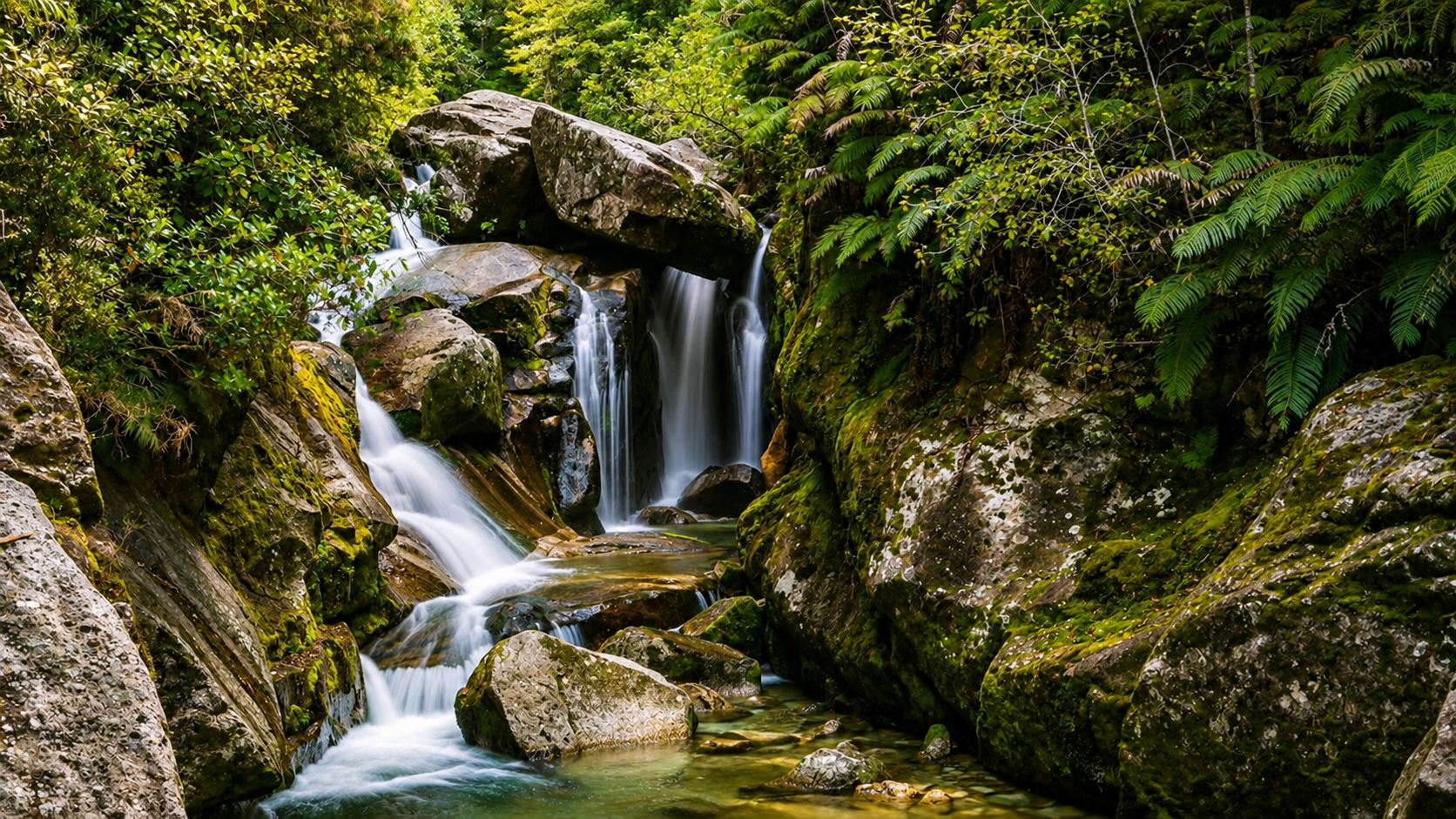
Torrent River takes you away from the coastline and into a completely different environment, where the day becomes a mixture of walking, scrambling, swimming, sliding, jumping and abseiling through a granite canyon surrounded by native forest.
It is a proper adventure day rather than another sightseeing trip.
Current Torrent River canyoning trips start from Mārahau and use a water taxi to reach Anchorage before heading into the canyon. The operator describes the experience as including jumps, natural slides, abseils and swimming, with professional guides, equipment, lunch and water-taxi transport included.
Why Canyoning Works So Well Here
The activity would be fun in plenty of places.
The location is what makes this one interesting.
You are inside Abel Tasman National Park, away from the beaches that nearly everybody else is visiting, moving through clear river water beneath dense forest.
I think paid adventure activities make the most sense when they give you access to somewhere you could not responsibly explore by yourself.
Torrent River does that.
This is not somewhere I would recommend wandering into independently because you have watched several canyoning videos and feel reasonably confident.
Technical equipment, route knowledge and water conditions matter.
What Does the Day Involve?
Expect to get completely wet.
Not slightly damp.
Not a little splash on your shoes.
You are canyoning.
There are sections where you swim, move through pools, slide down rock and use ropes to descend.
You also need enough general fitness to move over uneven terrain for most of a day.
The current Torrent River trip has a minimum age of 12 and is presented as a good introduction to canyoning, although it still involves a full active day.
If jumping into a clear river pool sounds brilliant, this could be one of the highlights of your Abel Tasman trip.
If that sentence immediately made you uncomfortable, I would spend the money on kayaking instead.
Do You Have to Be an Experienced Climber?
No.
That is what the guides and equipment are there for.
You do, however, need to be reasonably comfortable around water and with the idea of moving through a canyon.
If you have specific concerns about heights, jumps or swimming ability, I would ask the operator before booking rather than waiting until you are standing beside the feature that worried you.
Is It Worth Paying For?
For the right person, yes.
Canyoning is one of the more expensive ways to spend a day in Abel Tasman, but it includes the technical equipment, professional guides and transport needed to access the canyon.
That is much easier for me to recommend than an expensive sightseeing attraction where you are essentially paying to stand somewhere you could have walked to yourself.
It gives you a genuinely different experience.
Aotearoa Adventures Tip
Do not put another major activity on the same day.
Let canyoning be the day.
You are going to be active for hours, and there is no need to come back to Mārahau and immediately rush off to another booking simply because the itinerary had an empty space.
Stay Overnight Inside Abel Tasman National Park
5. Stay Overnight Inside Abel Tasman National Park
Best for: Anyone with more than one day
Allow: One night to several nights
My pick: Anchorage for an easy first overnight; Bark Bay if you want to feel farther into the park
My verdict: This is what turns Abel Tasman from a day trip into somewhere you have actually stayed
If your itinerary allows it, this is probably the biggest change I would make to the standard Abel Tasman visit.
Stay for a night.
You do not have to walk the entire Great Walk or disappear into the national park for five days.
Even one night changes the experience.
During the day, the popular beaches can feel busy. Water taxis arrive, kayakers pull onto the sand and walkers pass through on their way to the next bay.
Later in the afternoon, things begin settling down.
The boats leave.
Day walkers disappear.
The beach becomes quieter.
Suddenly you realise you are sleeping in a national park where there are no normal roads, shops or traffic sitting just around the corner.
That is a very different experience from catching the last boat back to Mārahau.
Anchorage
For somebody trying an overnight Abel Tasman trip for the first time, I think Anchorage makes the most sense.
It is easy to reach by boat, relatively straightforward to walk to and has both hut and camping options.
You could load your overnight gear onto a water taxi, travel in, spend the afternoon around the beach and then walk back towards Mārahau the following day.
That is a very gentle introduction to multi-day walking.
You get the experience without needing to carry several days of food and equipment across the entire park.
Bark Bay
Bark Bay is another excellent choice if you want to feel slightly farther removed from the southern entrance.
It is still reachable by water taxi, which means you can build all sorts of combinations around it.
Walk in.
Boat out.
Boat in.
Walk somewhere else the next day.
This flexibility is one of the reasons I think Abel Tasman is one of the best places in New Zealand for someone trying an overnight walking trip for the first time.
Camping Beside the Beach
Camping is where the whole Abel Tasman atmosphere starts making sense.
You finish walking, put up the tent and then there is nowhere else you need to drive.
You can go down to the beach, swim if it is warm enough, make dinner and spend the evening outside.
There is no restaurant reservation.
No next attraction.
No parking.
The next day's track begins when you are ready.
That simplicity is one of the best things about being there.
Book the Campsite or Hut
Abel Tasman is not somewhere I would turn up during peak summer with a tent and assume I will find something.
DOC requires huts and campsites on the Coast Track to be booked in advance throughout the year. The 2026/27 booking season is currently open.
Camping also needs to be in designated campsites rather than simply pitching a tent on whichever beach looks nice.
Plan the night first and then build the walking and water-taxi itinerary around it.
Drinking Water
Another practical detail that is easy to overlook is that water at DOC huts and campsites along the track is untreated.
DOC advises boiling it before use.
This is the kind of information that is far more useful to know before you begin packing than when you arrive at the campsite.
The Evening
This is the part that makes staying worthwhile for me.
When the day visitors have left, you suddenly have time to enjoy the beach without treating it as somewhere between two other activities.
The light softens.
The water gets quieter.
You stop thinking about when you need to reach the next pickup point.
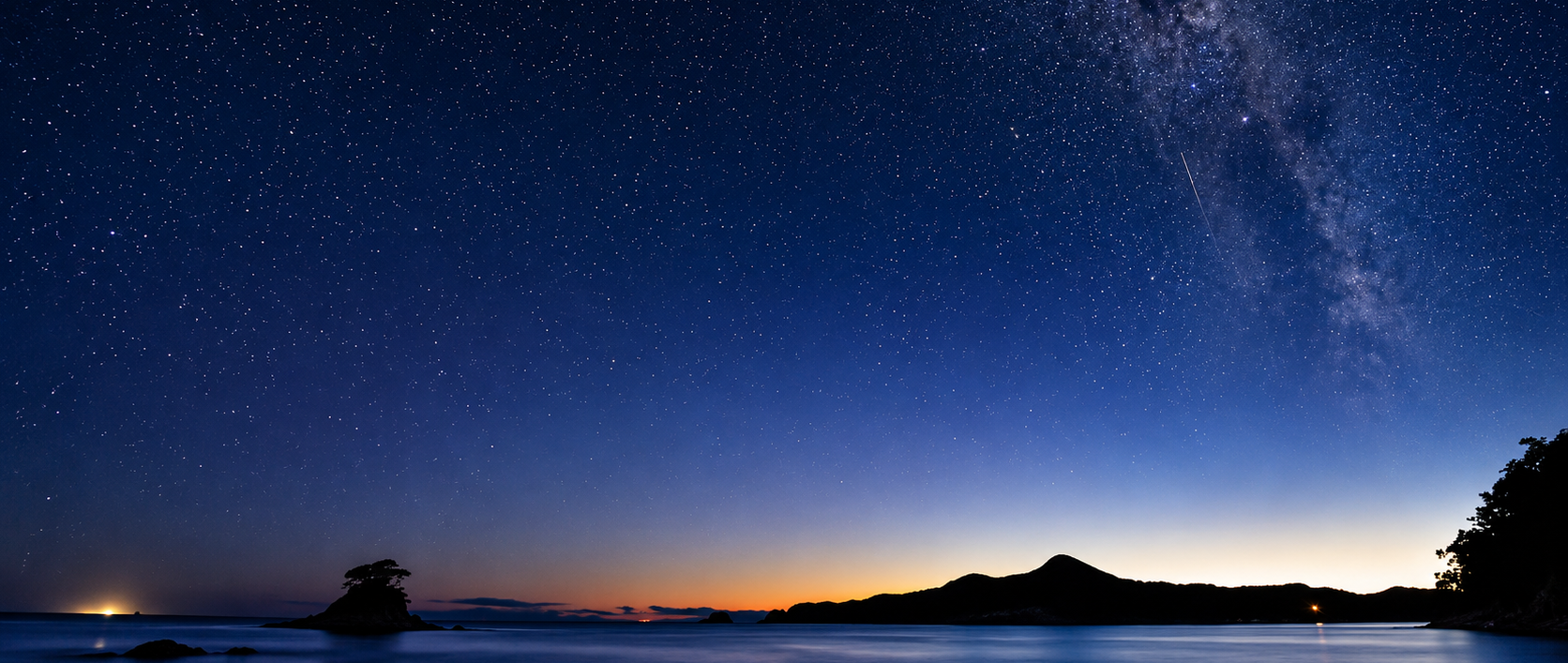
If the sky is clear, you can sit outside after dark and listen to the water rather than traffic.
It is not really an “activity”.
That is exactly why it works.
Aotearoa Adventures Tip
If you have never done an overnight hike, Abel Tasman is one of the places I would seriously consider starting.
Use the water taxis to reduce the amount of gear you need to carry and choose a manageable section of the Coast Track.
You do not need to prove anything by making the first trip as difficult as possible.
Which Abel Tasman Activities Are Actually Worth Paying For?
Abel Tasman is somewhere I would be very selective with the activity budget.
The park itself is already doing most of the work.
The beaches are beautiful.
The walking is excellent.
Swimming does not need an admission ticket.
Once you have reached the national park, you can spend a considerable amount of time without paying for another attraction.
That means I would spend money where it changes what you are able to do.
If I Was Travelling on a Tight Budget
I would pay for one water taxi.
Use it to create a one-way walking day rather than walking out and back.
For example, take the boat farther into the park and walk back towards Mārahau, or walk in and use the boat for the return.
That single fare adds a completely different dimension to the day without turning Abel Tasman into an expensive destination.
If I Had a Mid-Range Budget
I would add kayaking.
Walking and kayaking complement each other perfectly here.
One puts you in the forest and above the beaches, while the other puts you out on the water looking back towards the land.
If I had two days, I would happily spend one doing each.
If Adventure Was My Priority
I would book Torrent River canyoning.
It gives you a side of Abel Tasman that most visitors never experience and adds some genuine adrenaline to a destination that is otherwise fairly relaxed.
If This Was a Special Trip
I would spend the money on a multi-day kayak-and-walk combination, ideally with an overnight stay inside the park.
That gives you much more than simply adding another short tour to a packed itinerary.
Don't Forget to Swim
This sounds ridiculously obvious for somewhere with so many beaches, but it is very easy to spend an Abel Tasman day walking past the water because you are trying to reach the next pickup.
Carry swimwear.
On a warm summer day, reaching a quiet golden beach after a couple of hours of walking and being able to get straight into the water is one of the simplest pleasures in the park.
The water is not tropical.
Nobody should be travelling this far south expecting Fiji.
But in good summer weather, it can be beautiful.
More importantly, leave enough time for it.
There is no point planning a coastal national park itinerary so tightly that every beach gets exactly four minutes before you continue walking.
What About Awaroa?
Awaroa deserves a special mention because it is one of the most beautiful parts of the national park and one of the places where good planning matters most.
As the tide drops, an enormous stretch of sand becomes exposed across the inlet. For walkers continuing along the Coast Track, crossing that estuary is part of the route.
But there is no all-tide alternative.
The current DOC crossing window is roughly 1 hour 30 minutes before low tide until 2 hours after low tide, and the crossing should only be attempted in daylight when conditions are safe.
If your multi-day itinerary includes Awaroa, work backwards from the tide.
Do not decide where you would like to sleep first and then discover that the tide makes the day's walk impossible.
What About Tonga Island Marine Reserve?
If marine wildlife is a major reason for your visit, I would build the day around kayaking or boating through the Tonga Island Marine Reserve.
The protected area includes rocky coastline, beaches, coves and clear water, with opportunities for kayaking, swimming and snorkelling. Kekeno/New Zealand fur seals breed along parts of the rocky shoreline and islands.
I have included it within the kayaking section rather than making it one of the five separate activities because I think that is the most natural way to experience it.
Seeing wildlife while you are already paddling through the park feels much better than treating animals as a separate attraction you have turned up to collect.
Keep your distance and let them decide whether they want to be part of your day.
How Many Days Do You Need in Abel Tasman?
You can have a very good Abel Tasman experience in one day.
I think two or three days is much better.
One day tends to become quite structured. You catch the water taxi, complete the walk or kayak trip and then return to your accommodation.
That is still worthwhile.
With another day, the trip becomes much less hurried.
You can actually spend an afternoon at the beach rather than treating it as somewhere you stop while waiting for the boat.
One Day in Abel Tasman
If one day is genuinely all you have, I would choose a kayak-and-walk combination or water taxi plus Coast Track walk.
Both give you more than one perspective on the national park.
I would not try to do canyoning, a long walk, kayaking and four beaches simply because you only have one day.
Choose one excellent experience.
Two Days in Abel Tasman
I would spend one day kayaking and one day walking.
For example, paddle the southern coastline around Mārahau on Day 1, then take a water taxi to Bark Bay or Anchorage and walk a Coast Track section on Day 2.
That gives you a really good overview without making the trip complicated.
Three Days in Abel Tasman
This is where I would add the overnight.
Spend your first day kayaking.
On Day 2, travel into the park and walk towards your hut or campsite.
Wake up inside Abel Tasman on Day 3, finish another Coast Track section and use a water taxi to return.
For me, that would be close to the ideal first trip.
My Ideal 3-Day Abel Tasman Itinerary
On the first morning, I would start from Mārahau and get onto the water. A guided kayak trip is a good choice for a first visit, particularly if you do not have much sea-kayaking experience. Keep the afternoon fairly relaxed and spend some time around Mārahau or Kaiteriteri rather than immediately looking for another tour.
The second day would begin with a water taxi deeper into the national park. I would choose a good section of the Coast Track and walk towards an overnight stop at Anchorage or Bark Bay. Once you arrive, stop. Go to the beach, swim, set up the tent or settle into the hut and enjoy the fact that you do not have to go anywhere else.
The third day would be another morning on foot, followed by a water-taxi ride back towards Mārahau or Kaiteriteri.
That gives you the sea, the Coast Track and one night inside the park.
More importantly, it gives you time to enjoy them rather than simply moving through.
Where Should You Stay?
Where you base yourself depends on how much time you are spending in the national park and which end you want to explore.
Mārahau
For most first-time visitors, Mārahau would be my first choice.
It sits at the southern entrance to the Coast Track, and water taxis and kayak trips depart directly from the area.
That makes the logistics incredibly easy.
If Abel Tasman is the main reason you are there, I like being as close as possible to the park.
You can walk onto the Coast Track in the morning rather than starting the day with another drive.
Kaiteriteri
Kaiteriteri has more of a holiday-beach atmosphere.
The beach itself is beautiful, and water taxis operate from here during the busier season.
This can be a particularly good option for families who want a beach right beside their accommodation and a little more activity around them.
Motueka
Motueka is the practical choice.
There is more accommodation, more food and supermarket options, and you are still close enough to reach both Mārahau and Kaiteriteri.
If staying directly beside the national park is expensive during your travel dates, I would have no problem basing myself here.
Tākaka and Golden Bay
If you are exploring the northern side of Abel Tasman, Tākaka or elsewhere in Golden Bay makes much more sense.
From this direction, you can access Tōtaranui and combine Abel Tasman with Te Waikoropupū Springs, Farewell Spit and Wharariki Beach.
It becomes almost a separate top-of-the-South road trip.
Do You Need a Car?
You do not need a vehicle once you are actually moving through Abel Tasman National Park.
That is one of the things that makes it interesting.
You walk, kayak or use the boats.
A car is useful for reaching Mārahau, Kaiteriteri, Motueka and the wider Nelson Tasman region, particularly if Abel Tasman is one part of a longer South Island road trip.
If you do not have a vehicle, transport services operate towards the park from places such as Motueka and Nelson, and the water-taxi operators connect the main destinations once you reach the coast.
I would not hire a car purely for a day spent inside Abel Tasman.
It is going to sit in the car park while you are on a boat.
Best Time to Visit Abel Tasman
Abel Tasman's milder coastal environment means you can visit throughout the year, although the experience changes considerably between summer and winter.
Summer – December to February
Summer is the obvious season if swimming, camping and kayaking are priorities.
The days are long, the water is at its warmest and the beaches are at their most appealing.
It is also the busiest period.
If you are travelling around Christmas and January, book important huts, campsites, accommodation and water taxis in advance.
This is not the time I would arrive at Mārahau with no plan and assume everything will still have spaces.
Autumn – March to May
If I had flexibility, this is one of the periods I would seriously consider.
March can still feel very summery, the water has had months to warm up and visitor numbers begin easing once the main holiday season ends.
Walking temperatures can also be much more comfortable than the hottest part of January.
Winter – June to August
Winter is far quieter.
You are less likely to spend the day swimming, but walking can be excellent in settled conditions.
The main practical difference is that water-taxi schedules are reduced outside the summer season, so check the actual transport times before building a one-way walk around them.
Spring – September to November
Spring can be a very good middle ground.
Days begin getting longer and the park starts feeling more active without immediately reaching peak summer numbers.
The weather can still be changeable, particularly on the water, so plan kayaking around the actual conditions rather than simply the season.
Abel Tasman for Families
I think Abel Tasman is one of the easier New Zealand national parks to adapt to a family trip because you are not forced into long alpine walks to see the best scenery.
You can catch a water taxi to a beach, walk a manageable section of track and take the boat back.
Kayaking can work brilliantly for older children when conditions and operator requirements suit.
Anchorage is an easy destination, and the Coast Track can be broken into much smaller sections rather than committing everyone to an entire Great Walk itinerary.
I would also leave more beach time than you think you need.
Adults can become obsessed with kilometres and itineraries.
Children are often quite happy to discover that the beautiful beach you arrived at is actually somewhere they are allowed to stay.
That is probably a useful reminder for the adults as well.
Abel Tasman for Couples
Abel Tasman is particularly good for couples because the days can be active without needing to become extreme.
A morning kayak, one-way coastal walk and overnight campsite can make a brilliant trip without any of it feeling heavily organised.
If you want a more adventurous day, Torrent River canyoning adds something completely different.
If you want things slower, catch a water taxi farther up the coast, find a beach and let the day unfold from there.
An Abel Tasman trip does not need to become complicated to feel special.
Abel Tasman for Adventure Travellers
If walking the Coast Track sounds slightly too gentle, there is much more available.
Canyoning is the obvious option from this guide, but longer sea-kayaking journeys can become substantial adventures in their own right.
You can spend several days travelling the coastline by kayak, camp beside the beaches and combine paddling with sections of the Great Walk. Current freedom-kayak options run for several days for suitably experienced paddlers.
For me, that is one of the most appealing ways to turn Abel Tasman from a relaxing coastal stop into a proper expedition.
Abel Tasman or Golden Bay?
Do both if you have enough time.
They complement each other extremely well.
Abel Tasman gives you the Coast Track, kayaking, water taxis, golden beaches and organised access along the coast.
Golden Bay feels quieter and more spread out, with places such as Wharariki Beach, Te Waikoropupū Springs, Farewell Spit and access into the northern end of Abel Tasman.
If you have four or five nights around Nelson Tasman, I would seriously consider splitting them between the two areas rather than staying entirely around Mārahau.
A Few Abel Tasman Tips I Would Know Before Going
The most important thing is to check the tides if your walk goes anywhere near Awaroa. Tide times are not a minor suggestion here; they determine whether the route is passable.
I would also reserve water taxis rather than assuming there will be room on the exact boat you want, particularly in summer.
Carry swimwear even when swimming is not officially part of the plan. There are too many good beaches to discover halfway through the day that you left it back at the accommodation.
Take sunscreen and use it. Moving in and out of forest makes it easy to forget how much time you have actually spent exposed to the sun.
If you are camping, carry insect repellent and understand how your drinking water will be treated.
When kayaking, use a dry bag for anything that really cannot get wet. Phones and seawater remain poor companions.
Most importantly, give yourself time at the beaches.
There is little point walking through one of New Zealand's best coastal national parks if every beautiful bay becomes somewhere you photograph for three minutes because you are late for the next part of the itinerary.
Is Abel Tasman Expensive?
It can actually be one of the easier South Island destinations to control the budget.
The Coast Track is doing most of the work.
Beaches do not cost anything.
Swimming does not cost anything.
Once you have your accommodation and transport sorted, you can have very full days without buying attraction tickets.
That is why I would save the activity budget for the things that genuinely improve the experience.
A water taxi gets you farther into the park and removes the need to retrace a walk.
A kayak gets you out onto the coastline.
Canyoning gives you access to an environment you should not explore independently.
Those are good reasons to pay.
For Aotearoa Adventures, I think that is also the right affiliate approach. There is no need to place a booking link after every beach description. Recommend tours where the tour genuinely solves a problem or gives the reader access they would not otherwise have.
Trust is worth more than another button.
Final Thoughts: Is Abel Tasman Worth Visiting?
Definitely.
What makes Abel Tasman special is not one enormous attraction.
It is the way the whole coastline fits together.
You can walk through native bush for an hour and suddenly find yourself standing on a golden beach. You can paddle around a headland, pull the kayak onto the sand and decide that lunch can wait a little longer because the water looks too good not to swim.
A water taxi can take you farther into the park in the morning and leave you there with nothing but a walking track back.
If you want adventure, Torrent River gives you an entire day of jumping, sliding and abseiling through the forest. If you want the opposite, you can spend an afternoon sitting at Anchorage without doing much of anything.
That range is what I like about it.
I would not visit Abel Tasman with an itinerary that tries to squeeze in every beach and every activity.
Choose a section of the Coast Track and enjoy walking it properly.
Get onto the water.
Use the boats to reach somewhere you could not easily walk to in one day.
Swim.
If your itinerary allows it, stay overnight.
Once the last water taxis begin heading back towards Mārahau and the beach becomes quieter, you start seeing a completely different side of the national park.
And I think that is when Abel Tasman is at its best.
Not when you are trying to see more.
When you finally realise there is nowhere particularly important you need to be next.