

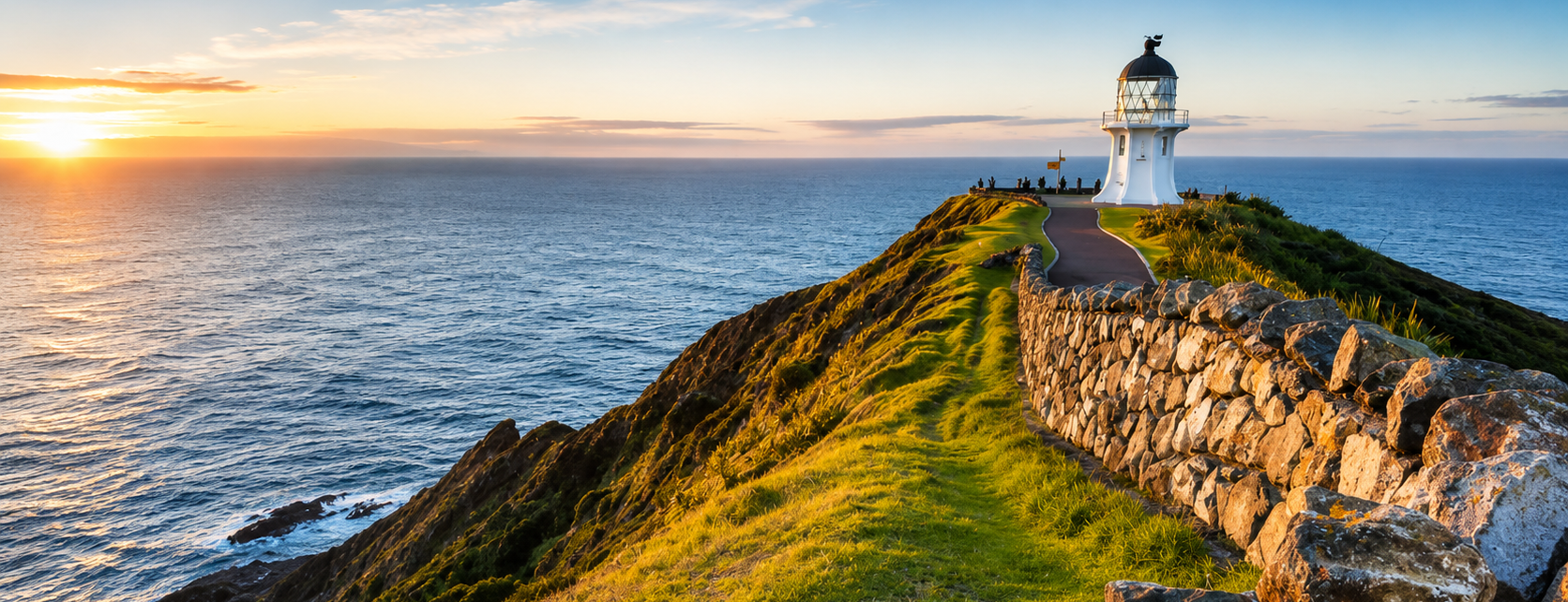
BAY OF ISLANDS AND NORTHLAND
6 Best Things to Do in the Bay of Islands and Northland
Northland is one of the most rewarding regions to explore on a New Zealand road trip, but it is also one of the easiest to underestimate.
A lot of travellers drive north from Auckland, spend a night in Paihia, take a quick cruise and assume they have seen the region. In reality, the Bay of Islands is only one part of Te Tai Tokerau. Beyond it, you will find historic settlements, protected marine reserves, enormous sand dunes, ancient kauri forest and some of the wildest coastal scenery in the North Island.
The Bay of Islands itself contains more than 140 islands and is one of the country’s best places for sailing, kayaking, fishing, wildlife cruises and island-hopping. Northland then stretches much farther north and west, all the way to Te Rerenga Wairua Cape Reinga and the forests of the Kauri Coast.
My strongest advice is to give the area enough time. Three days will allow you to experience the main Bay of Islands attractions, but five to seven days is much better when you want to explore Cape Reinga, the Hokianga and Waipoua Forest as well.
Here are six of the best things to do in the Bay of Islands and Northland.
Cruise Through the Bay of Islands to the Hole in the Rock
1. Cruise Through the Bay of Islands to the Hole in the Rock
The best way to understand the Bay of Islands is to get out onto the water.
From the waterfront, the bay looks calm and attractive, but a cruise reveals its real scale. You pass sheltered coves, isolated beaches, bush-covered islands and rocky headlands before reaching the open water around Cape Brett.
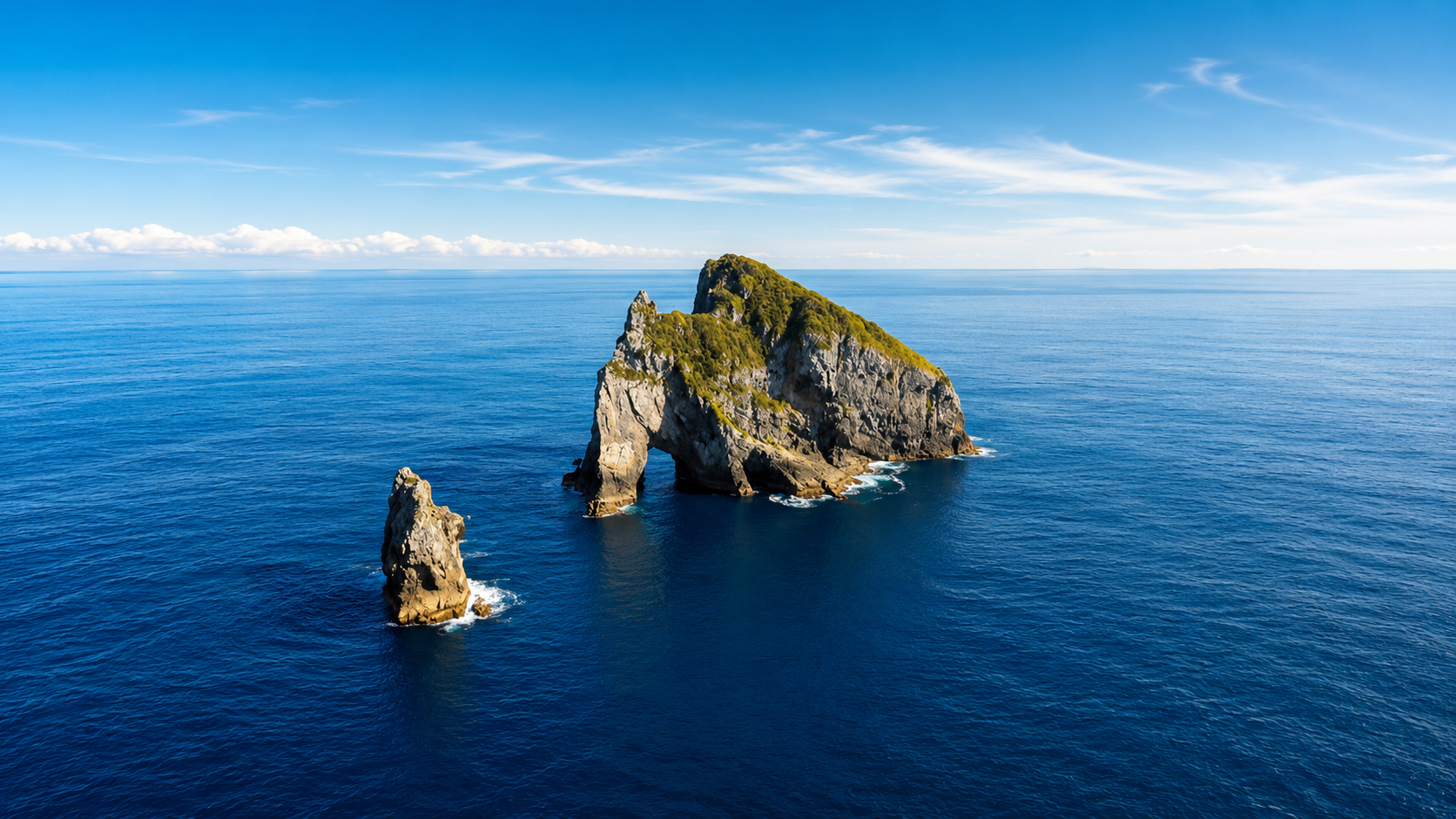
The most famous destination is Motukōkako, better known as the Hole in the Rock. This naturally formed opening sits at the end of the Cape Brett Peninsula and has become one of Northland’s most recognisable landmarks.
On suitable days, some vessels travel through the opening. This always depends on sea conditions, so it should be treated as a bonus rather than something guaranteed.
Many cruises also keep watch for dolphins, whales, seals and seabirds. Wildlife sightings can never be promised, but the journey is still worthwhile for the island scenery alone.
One of the main Hole in the Rock cruises includes a stop at Otehei Bay on Urupukapuka Island. Depending on the season and your chosen trip, you may have time to swim, walk, hire a kayak or simply sit near the beach before returning to Paihia or Russell.
Which Bay of Islands cruise should you choose?
The classic Hole in the Rock cruise is the easiest choice for first-time visitors. It covers the main landmarks, includes commentary and provides plenty of open-water scenery without taking up the entire day.
A smaller sailing trip is my preferred option for travellers who want a quieter experience. Sailing tends to feel less like conventional sightseeing and gives you more time to appreciate the bays and islands at a relaxed pace.
Families may find a larger vessel more comfortable because there is usually indoor seating, shelter and easier movement around the boat.
Kayaking is another excellent option, particularly around the sheltered inner bay. However, it does not replace a longer cruise when your main goal is to reach Cape Brett and Motukōkako.
My honest opinion is that the island stop often becomes the best part of the day. The Hole in the Rock is impressive, but getting off the boat and spending time on one of the islands makes the experience feel more complete.
My tip: Book your cruise near the beginning of your stay. Bay of Islands trips can be affected by wind and sea conditions, so this gives you time to move your booking when necessary. Take a jacket even on a fine day because the outer bay can feel much cooler than Paihia.
Compare Bay of Islands cruises, sailing trips and Hole in the Rock tours
Visit the Waitangi Treaty Grounds
2. Visit the Waitangi Treaty Grounds
Waitangi is not simply another attraction to fit between a boat cruise and lunch. It is one of the most important places you can visit in Aotearoa New Zealand.
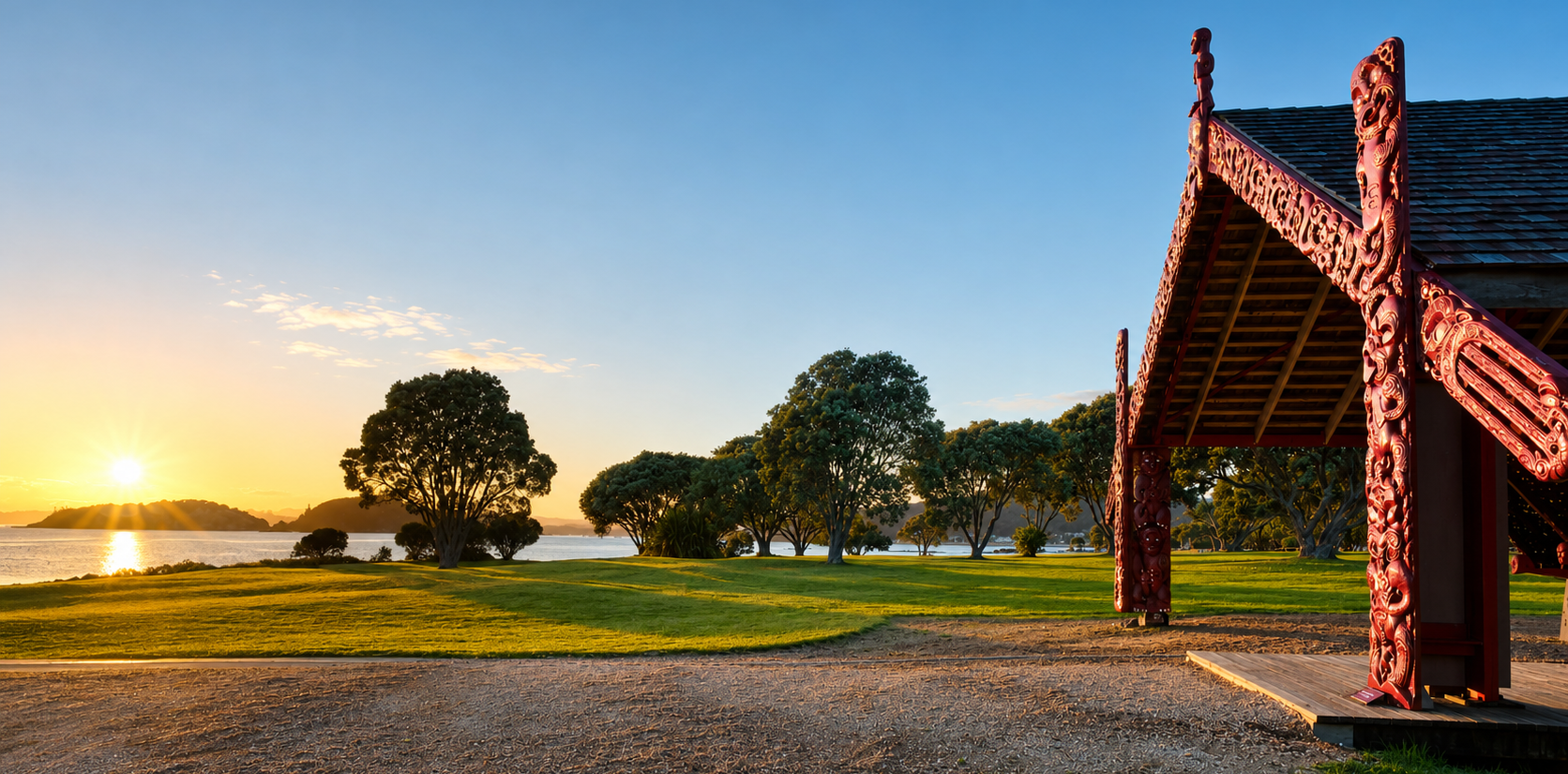
The Waitangi Treaty Grounds overlook the Bay of Islands, close to Paihia. This is where the first signing of Te Tiriti o Waitangi took place and where visitors can learn more about the people, decisions and events that shaped the country.
Admission currently includes access to the Treaty Grounds, two museums, historic buildings, the ceremonial waka Ngātokimatawhaorua, a guided tour and a Māori cultural experience. The standard admission pass is valid for two consecutive days, which is useful because there is more here than many visitors expect.
I strongly recommend joining the guided tour rather than walking around by yourself.
You can read signs and look through the museums independently, but a good guide connects the locations, people and events in a way that makes the wider story much easier to understand. The history of Te Tiriti is complex, and it deserves more than a quick photograph beside the flagstaff.
The cultural experience is also worth including. It adds waiata, movement, storytelling and kapa haka to the visit, helping the grounds feel like a living cultural place rather than a collection of historic buildings.
Allow at least half a day. Travellers who genuinely enjoy history could easily spend longer exploring the museums, grounds and surrounding walking tracks.
An important part of your Northland journey
Waitangi also gives useful context to many of the other places you will encounter around Northland.
Russell, Kerikeri, Hokianga and Cape Reinga are not isolated sightseeing stops. They form part of a region with deep Māori history and some of the earliest sustained relationships between Māori and European arrivals. Visiting Waitangi early in your trip can help you better understand the stories attached to the wider landscape.
My tip: Do not try to squeeze Waitangi into the final hour before closing. Arrive early, join a guided tour and leave time for both museums. New Zealand residents should take suitable identification because resident admission rates may apply.
Book Waitangi Treaty Grounds admission and Bay of Islands cultural experiences
Take the Ferry to Historic Russell
3. Take the Ferry to Historic Russell
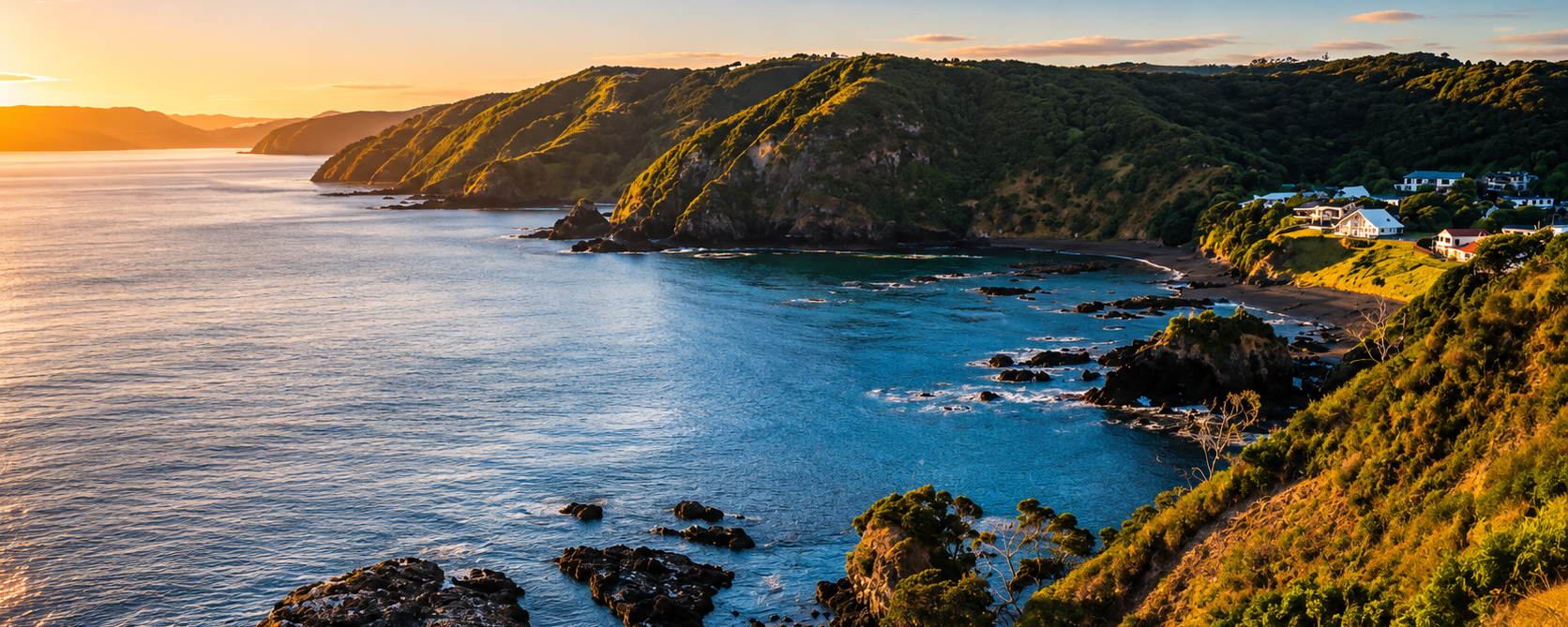
Russell is only a short boat ride from Paihia, but it feels completely different.
Paihia is the busier visitor base, filled with tour departures, accommodation and waterfront activity. Russell is quieter, more historic and easier to explore slowly.
Regular passenger ferries travel between Paihia and Russell throughout the year, with the harbour crossing taking approximately 15 minutes. A separate vehicle ferry connects Ōpua with Okiato for travellers bringing a car across to the Russell Peninsula.
For a simple day trip, leave your vehicle in Paihia and use the passenger ferry. Russell’s waterfront and central historic area are easy to explore on foot.
The town was formerly known as Kororāreka and developed into an important early trading and shipping settlement. Today, its peaceful waterfront, old buildings and tree-lined streets make its rougher early reputation difficult to imagine.
What to do in Russell
Begin with a walk along the waterfront before exploring the streets behind it. You can visit Christ Church, Russell Museum and Pompallier Mission and Printery or stop for lunch overlooking the bay.
Pompallier Mission is one of the town’s most interesting historic sites. The building dates from the early 1840s and was part of the French Catholic mission in Kororāreka. Guided visits explain the printing, bookbinding and leather-making work once completed there.
For a wider view of the Bay of Islands, walk or drive up to Te Maiki Flagstaff Hill. The climb is short but reasonably steep, and the view makes it worthwhile on a clear day.
Russell is also a good place to stay overnight. Once the final day visitors return to Paihia, the waterfront becomes quieter and the town feels more like a small coastal settlement again.
Add Kerikeri when you have time
Travellers with another half-day should also visit Kerikeri.
The Kerikeri Mission Station includes the Stone Store and Mission House beside the Kerikeri River. The Stone Store is recognised as New Zealand’s oldest surviving stone building, while the surrounding Kororipo Heritage Park connects important Māori and early European history in the same landscape.
Rainbow Falls, local cafés, orchards and food producers make Kerikeri a worthwhile stop rather than somewhere to pass through on the way north.
My tip: Catch the ferry to Russell in the morning, explore on foot and stay for lunch beside the water. Check the return timetable before settling into a long meal, particularly outside the main summer season.
Travel to Te Rerenga Wairua Cape Reinga and Te Paki
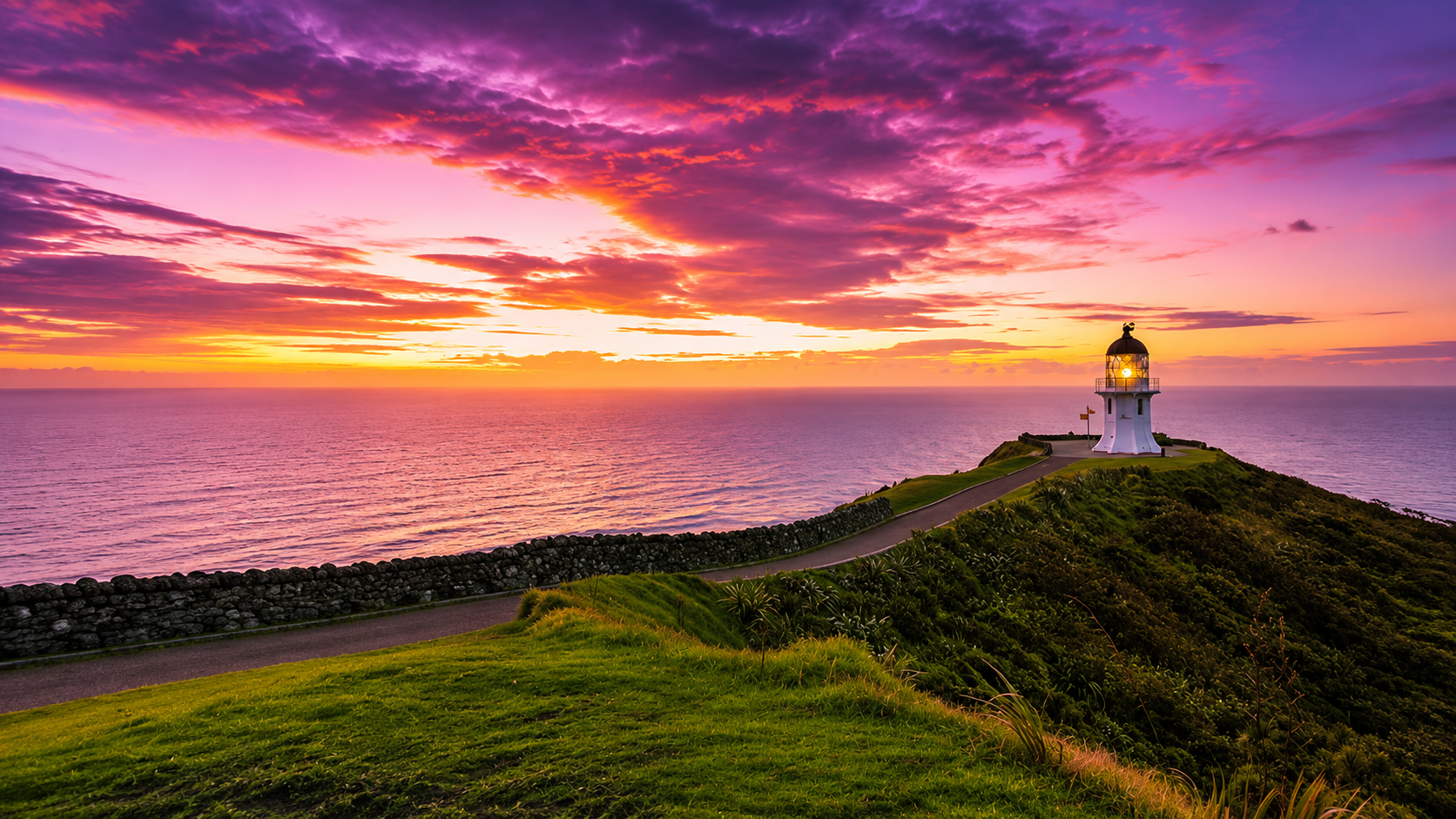
4. Travel to Te Rerenga Wairua Cape Reinga and Te Paki
The journey to Te Rerenga Wairua Cape Reinga is one of Northland’s great road trips.
The cape sits at the end of State Highway 1, surrounded by exposed coastline, rolling hills and wide ocean views. The walk from the car park leads down towards the lighthouse, but this is much more than a scenic lookout.
Te Rerenga Wairua is a place of immense significance to Māori. It is understood as the departure point from which wairua begin their journey back to the ancestral homeland of Hawaiki. Visitors should approach it quietly and respectfully rather than treating it like another roadside photo stop.
DOC asks visitors not to eat at the cape, although drinking water is acceptable. There are no rubbish bins, dogs are not permitted and visitors must remain on the formed tracks.
The site is extremely exposed, and strong wind is common. Carry an extra layer even when the weather feels warm farther south.
Self-drive or guided Cape Reinga tour?
You can drive to Cape Reinga in a normal vehicle using the sealed highway. From Kaitaia, the drive takes approximately 90 minutes each way without stops. From Paihia, it becomes a very long day once you include viewpoints, beaches and the return journey.
A self-drive trip gives you the freedom to stop at places such as Mangōnui, Doubtless Bay, Rarawa Beach and Tapotupotu.
A guided tour is the better choice when you do not want to manage the long drive or would like to travel along Te Oneroa-a-Tōhē Ninety Mile Beach. Tour vehicles may use sections of the beach when conditions permit, while ordinary hire vehicles are often prohibited from doing so by their rental agreements.
Guided tours also provide cultural and historical commentary that you would miss when simply following a navigation app.
Stop at the Te Paki sand dunes
The giant dunes at Te Paki are one of the most dramatic landscapes in the Far North.
Walking to the top is harder than it looks. Every step sinks into the sand, but the view across the dunes is worth the climb.
Sandboarding is popular, although it needs to be approached carefully. DOC warns that the dunes are long and steep, boards can reach high speeds, and serious injuries have occurred. Emergency assistance is also a long way away.
Use a proper sandboard, choose a slope suited to your confidence and never stand up on the board. I would rather have a slower, enjoyable run than turn a holiday activity into a rescue situation.
My preference is to take a guided Cape Reinga tour when travelling from Paihia. It is a long day, but someone else handles the driving and you learn far more about the places you pass.
My tip: Visit early in the morning or later in the afternoon when self-driving. Cape Reinga is busiest around the middle of the day, particularly over the summer holiday period. Bring food for the journey, but stop somewhere away from the cape itself before eating.
Compare Cape Reinga, Ninety Mile Beach and Te Paki day tours
Stand Beneath Tāne Mahuta in Waipoua Forest
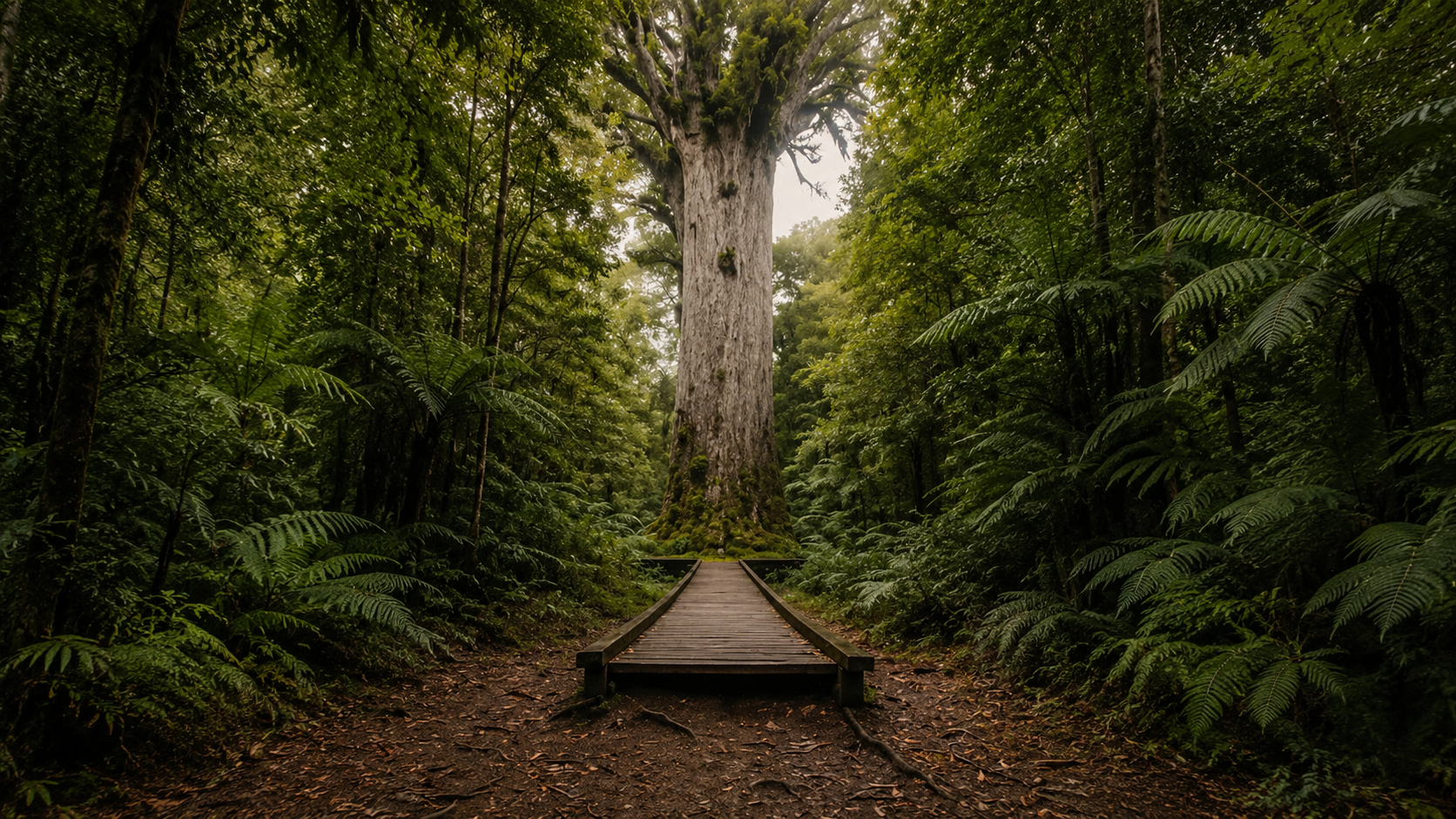
5. Stand Beneath Tāne Mahuta in Waipoua Forest
Northland is known for its coastline, but some of its most powerful scenery is found beneath the forest canopy.
Waipoua, Mataraua and Waimā form the largest remaining connected area of native forest in Northland. These forests protect some of the country’s most significant surviving kauri.
The best-known tree is Tāne Mahuta, the largest known living kauri in New Zealand.
The walk to the viewing area is short, easy and accessible for wheelchairs and buggies. Yet the first view of the tree still has a strong impact. Its trunk rises almost unnaturally straight through the surrounding forest, and the smaller trees around it help reveal its enormous scale.
This is not an attraction where you need to plan several hours of physical activity. The value comes from slowing down, standing quietly and appreciating that you are looking at a living part of an ancient forest.
I would avoid taking one photograph and immediately leaving. Spend a few minutes listening to the forest and looking carefully at the vegetation growing around and high above the trunk.
Protecting Northland’s kauri
Kauri dieback disease is a serious threat, so cleaning footwear and remaining on the formed track are essential.
Use every cleaning station properly, even when your shoes appear clean. Kauri roots sit close to the surface, and walking off the track can damage them or help move contaminated soil.
Access arrangements in Waipoua can change while visitor facilities are upgraded. At the time of writing, restoration work has affected some of the longer Kauri Walks, so check current DOC alerts before travelling rather than assuming every track is open.
Explore the Hokianga as well
Waipoua fits naturally into a trip along the Kauri Coast.
Stay around Ōmāpere or Opononi and spend time near the Hokianga Harbour before travelling south through the forest. The landscape on this side of Northland feels quieter and less developed than the Bay of Islands, which is exactly why it is worth including.
A guided twilight forest tour can add far more context than a quick independent stop. Local guides share stories about the forest, kauri and the relationship between Te Roroa and the whenua.
My tip: Allow extra time for the drive through Waipoua. The road is winding, and stopping safely at viewpoints or forest walks will take longer than the distance suggests. Never plan to race through this area after dark.
Book Waipoua Forest, Tāne Mahuta and Hokianga cultural tours
Dive or Snorkel at the Poor Knights Islands
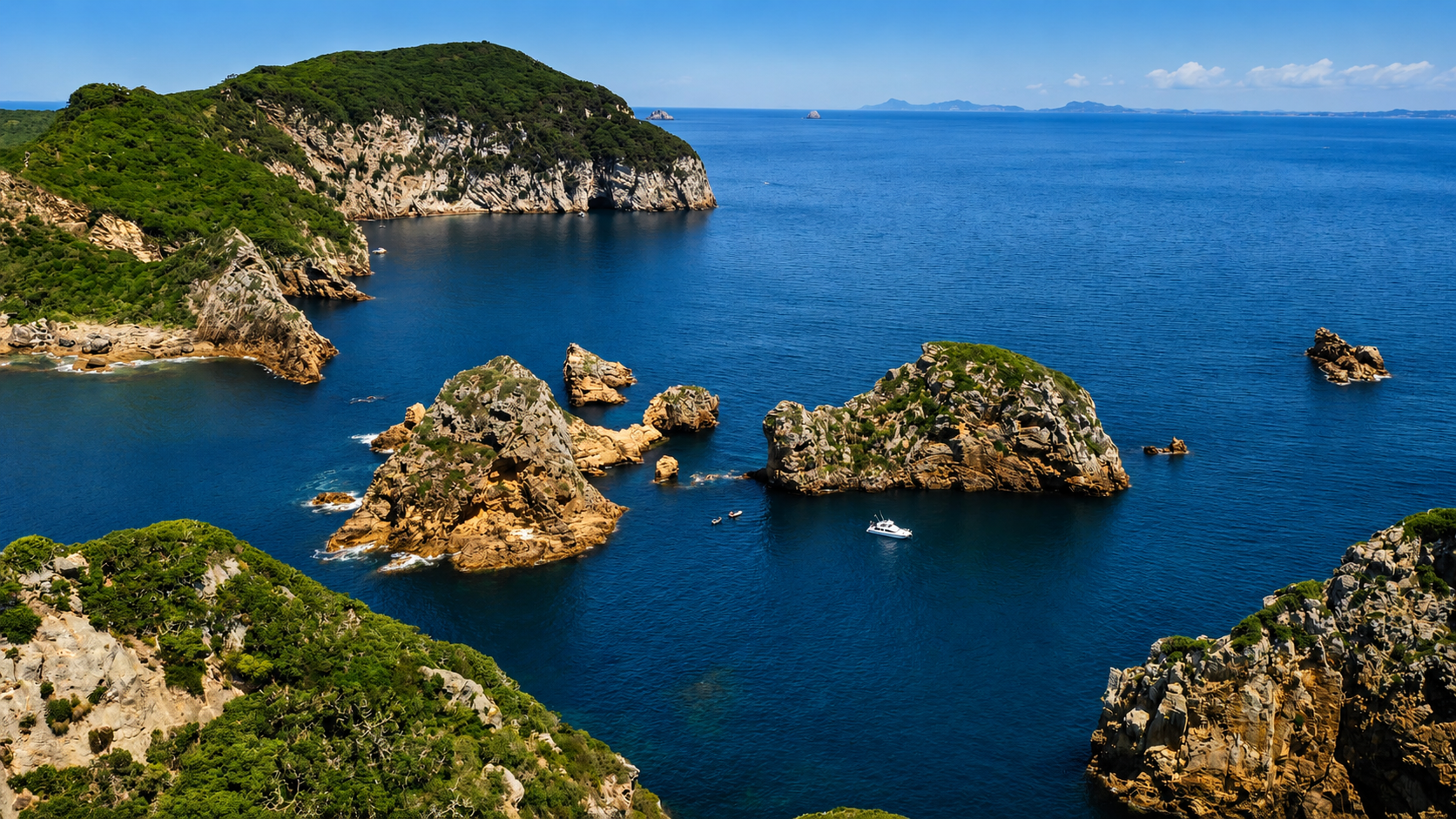
6. Dive or Snorkel at the Poor Knights Islands
The Poor Knights Islands are one of Northland’s most impressive adventure destinations.
Located around 22 kilometres off the east coast, the islands are the remains of ancient volcanoes. Beneath the water, erosion has created arches, caves, tunnels, steep walls and complex rocky habitats filled with marine life. The surrounding marine reserve has been protected since 1981.
Most trips depart from Tutukākā Marina, northeast of Whangārei.
Experienced divers come for the underwater walls, caves, sponge gardens and fish life, but you do not need to be an advanced scuba diver to experience the reserve. Guided snorkelling tours allow less experienced visitors to explore the surface waters with equipment and support provided.
Some operators also offer introductory scuba dives for people without certification, subject to medical and participation requirements.
Is the Poor Knights trip worth it for snorkellers?
In my opinion, yes—provided you are comfortable in open water.
The visibility, rock formations and marine life make it completely different from snorkelling close to an ordinary beach. The boat journey and above-water cliffs are also impressive, so the day is not solely about what you see beneath the surface.
However, this is an offshore marine environment. Conditions can change, and the water may feel cold even during warm weather. Follow the crew’s advice and be honest about your swimming confidence.
The islands themselves are highly protected. Visitors cannot land on them, and nothing may be taken or disturbed within the marine reserve. Fishing, collecting shells and feeding fish are prohibited.
Book the trip for an early part of your Northland itinerary when possible. Offshore excursions can be postponed by unsuitable sea conditions, and keeping another day available gives you a better chance of going.
My tip: Take warm clothes for the return boat journey. Even when operators provide wetsuits and jackets, sitting on a moving boat after being in the water can feel surprisingly cold.
How Long Should You Spend in the Bay of Islands and Northland?
For the Bay of Islands alone, I recommend three full days.
That gives you time for a cruise, Waitangi Treaty Grounds, Russell and a side trip to Kerikeri without rushing between every activity.
For the wider Northland region, allow at least five days. Seven days is better when you want to include the Poor Knights Islands, Cape Reinga, the Hokianga and Waipoua Forest.
Northland is long, and many roads are slower than they appear on a map. Trying to see the entire region during a weekend usually means spending most of the trip inside the car.

Suggested Three-Day Bay of Islands Itinerary
Day One: Waitangi and Paihia
Spend the morning at the Waitangi Treaty Grounds, including a guided tour and cultural experience.
Return to Paihia in the afternoon, walk along the waterfront and enjoy a relaxed evening beside the bay.
Day Two: Bay of Islands Cruise
Take a Hole in the Rock, sailing or island cruise.
Choose a trip that includes time ashore when possible. Spend the evening in Paihia or catch the ferry to Russell for dinner.
Day Three: Russell and Kerikeri
Take the passenger ferry to Russell and explore the waterfront, Pompallier Mission and Flagstaff Hill.
Return to Paihia and drive to Kerikeri for the Stone Store, Kororipo Heritage Park or Rainbow Falls.
Suggested Six-Day Northland Road Trip
Day One: Whangārei and Tutukākā
Drive north from Auckland and continue towards Tutukākā.
Explore the coast or stay locally before a Poor Knights trip.
Day Two: Poor Knights Islands
Spend the day diving, snorkelling or sightseeing around the Poor Knights.
Continue to Paihia in the late afternoon if you still feel comfortable driving.
Day Three: Waitangi and Russell
Visit Waitangi Treaty Grounds in the morning.
Catch the passenger ferry to Russell and stay for the afternoon or overnight.
Day Four: Bay of Islands Cruise and Kerikeri
Cruise through the Bay of Islands before travelling to Kerikeri or Doubtless Bay.
Day Five: Cape Reinga and Te Paki
Make a full-day trip to Te Rerenga Wairua Cape Reinga and the Te Paki dunes.
Stay in the Far North or travel to Ahipara when daylight and energy allow.
Day Six: Hokianga and Waipoua Forest
Travel south through the Hokianga and visit Tāne Mahuta in Waipoua Forest.
Continue towards Dargaville or stay another night on the Kauri Coast.
This itinerary still moves reasonably quickly. Add one or two more days when you want beach time around Doubtless Bay, Matauri Bay or the Hokianga.
Where to Stay in Northland
Paihia
Paihia is the most practical base for first-time Bay of Islands visitors.
Most cruises and tours depart nearby, Waitangi is easy to reach and the passenger ferry to Russell leaves from the waterfront. It also has the widest selection of accommodation and restaurants in the immediate area.
Compare hotels, motels and apartments in Paihia
Russell
Choose Russell when you want a quieter and more atmospheric stay.
It is especially good for couples, waterfront dining and travellers who prefer small historic towns over busy tour centres.
Kerikeri
Kerikeri works well for travellers who want more space, local food, vineyards, orchards and easy access to the routes heading farther north.
It is also convenient for Bay of Islands Airport.
Find accommodation in Kerikeri
Tutukākā
Stay in Tutukākā before a Poor Knights trip.
This removes the need for an early drive from Whangārei or Paihia and gives you more time to enjoy the surrounding coastline.
Check accommodation near Tutukākā Marina
Doubtless Bay or Kaitaia
Doubtless Bay offers a more attractive coastal base, while Kaitaia is practical for supplies and Cape Reinga tour departures.
Opononi or Ōmāpere
These neighbouring Hokianga settlements are convenient for the harbour, Waipoua Forest and the west-coast section of a Northland road trip.
When Is the Best Time to Visit Northland?
Summer provides the warmest conditions for swimming, sailing and beach days, but it is also the busiest period.
Accommodation fills quickly from late December through January, and popular places such as Paihia and Cape Reinga can become crowded.
Late spring and early autumn are my preferred times to visit. The days are often still warm, the roads are quieter and accommodation can be easier to secure.
Winter is a good option for history, forest walks and quieter coastal travel. Northland generally has milder winters than much of New Zealand, although rain, wind and rough seas can still affect cruises and offshore activities.
Whatever the season, leave some flexibility around marine activities. A calm day is far more important than forcing a boat trip to fit a rigid itinerary.
Final Thoughts
The Bay of Islands and Northland offer far more than a quick coastal escape from Auckland.
For first-time visitors, my three essential experiences would be a Bay of Islands cruise, the Waitangi Treaty Grounds and Te Rerenga Wairua Cape Reinga. Together, they provide a strong introduction to the region’s scenery, history and cultural significance.
After that, choose according to your interests.
Visit Russell and Kerikeri for history and relaxed coastal towns. Travel through Waipoua when ancient forest is calling. Head to the Poor Knights when you want a genuine ocean adventure.
Most importantly, resist the temptation to rush. Northland is at its best when you leave time for ferry rides, quiet beaches, winding roads and unexpected stops along the way. The distances may be greater than they first appear, but that sense of travelling farther away from everything is a large part of the region’s appeal.
Ready to explore Northland?
View and compare the best Bay of Islands and Northland tours, cruises and adventure activities