
QUEENSTOWN
Queenstown, New Zealand: Six best things to do
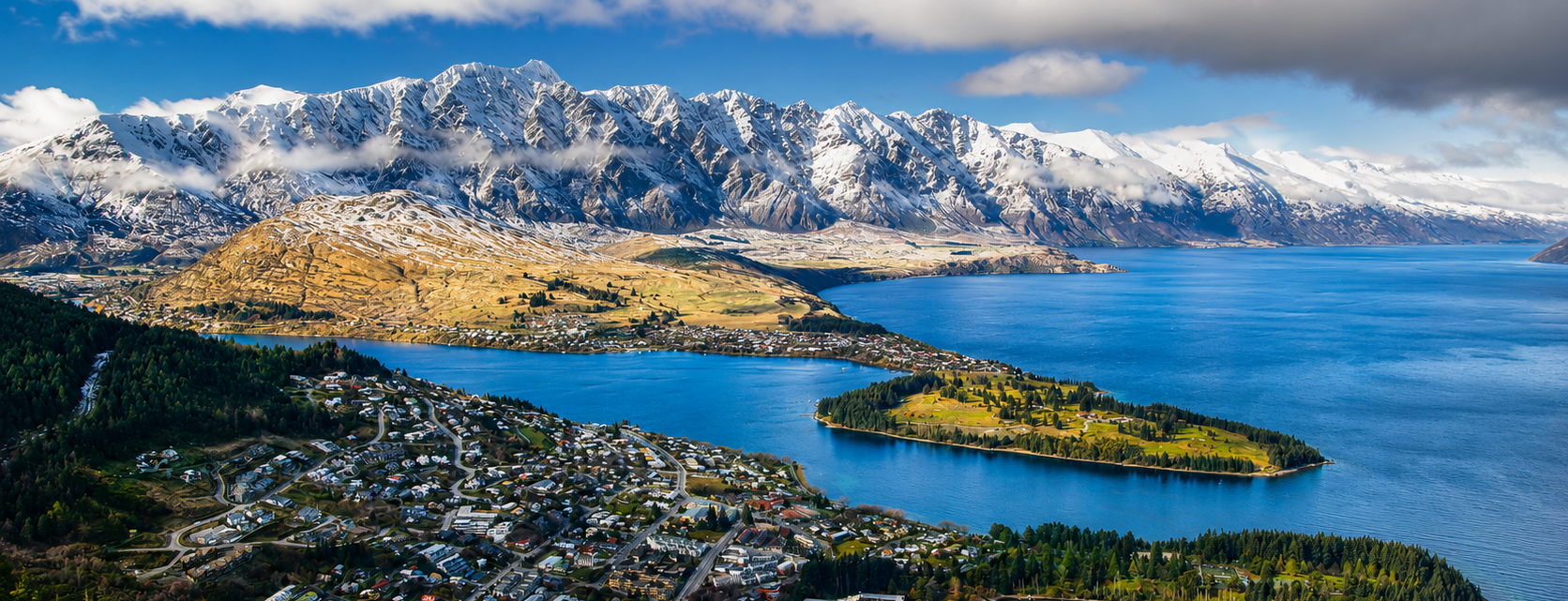
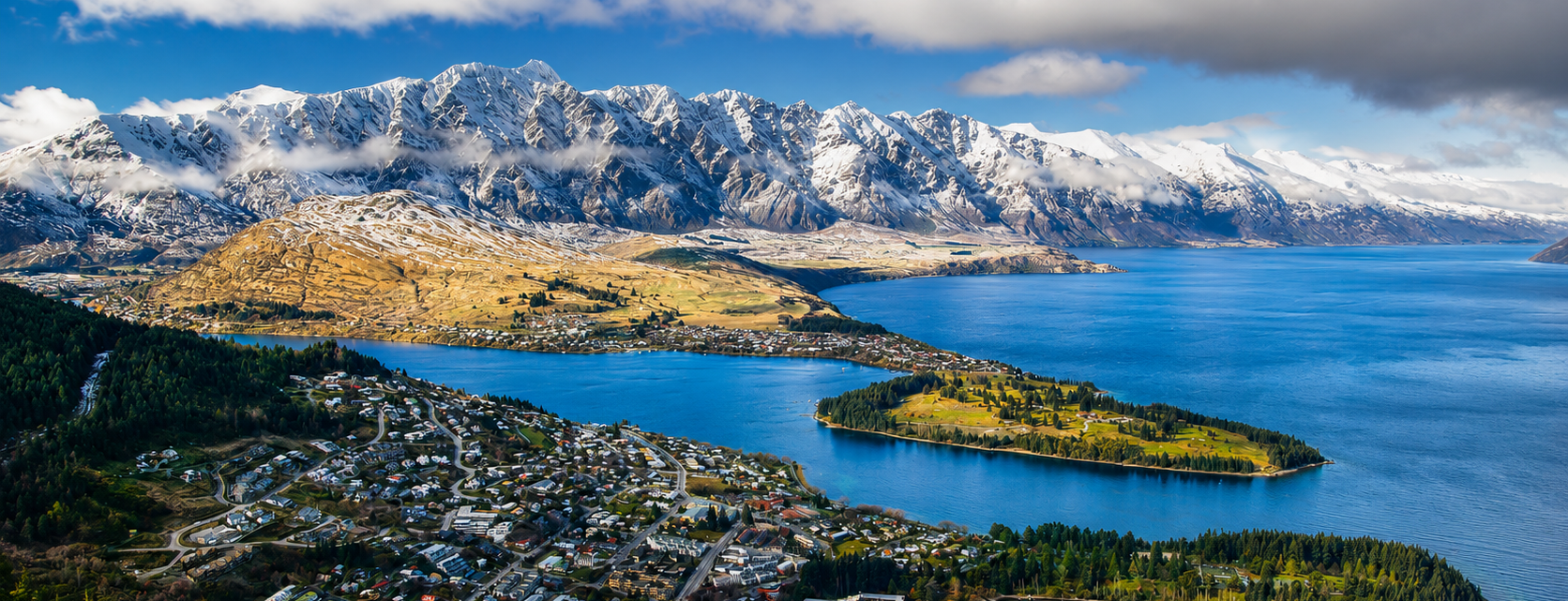
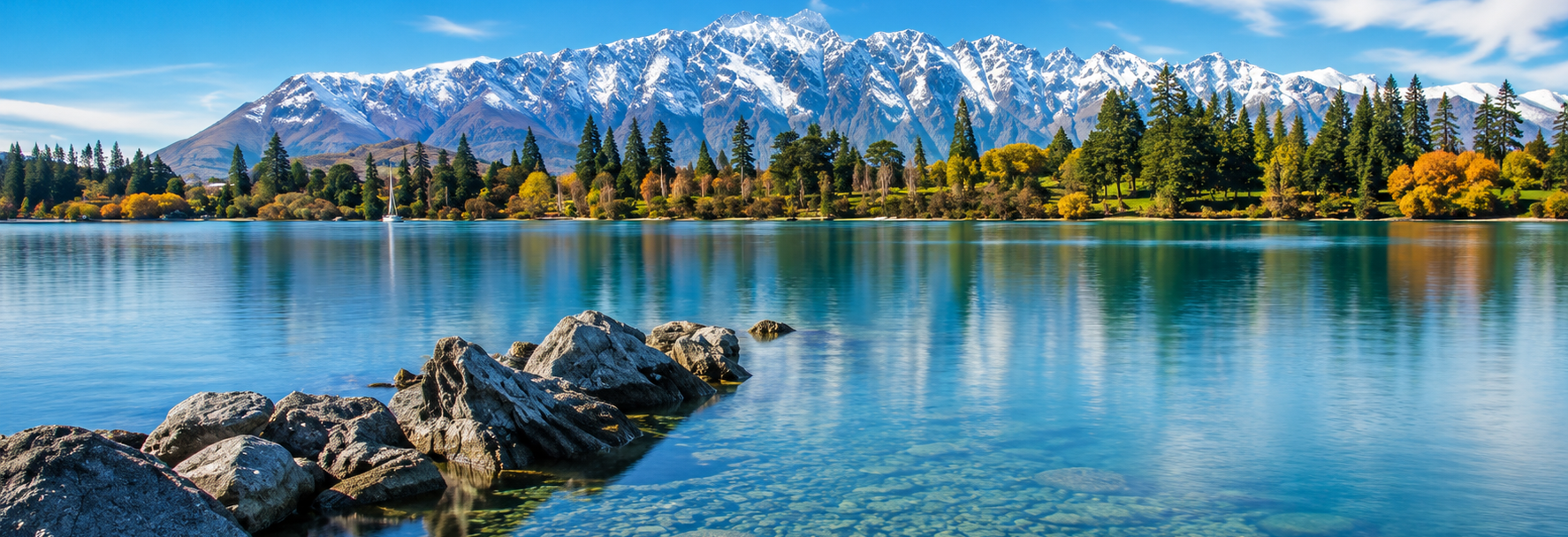
Queenstown is one of those places that already feels familiar before you arrive. Most visitors have seen the photographs of Lake Whakatipu framed by mountains, heard about the bungy jumps and jet boats, or watched videos of people skiing, mountain biking and hiking through the surrounding alpine landscape. Yet the reality of being there still feels different. The town sits in a setting that is difficult to overstate, with the lake pressed right against the centre and mountains rising in almost every direction. Even when you are doing nothing more than walking through town or sitting by the waterfront, Queenstown has a sense of drama about it.
What makes Queenstown so appealing is that the scenery is only part of the story. There is a constant energy here, and almost everyone seems to be on their way to something. In winter, people move through town carrying skis and snowboards. In summer, mountain bikes appear everywhere. Groups gather for jet-boat trips, scenic flights and canyon tours, while others are quietly preparing themselves for a bungy jump they booked months earlier when it seemed like a much better idea.
At the same time, Queenstown does not need to be approached as a checklist of high-adrenaline activities. Some of the best moments are much simpler. Walking beside Lake Whakatipu in the evening, heading through Queenstown Gardens, climbing above town for a view, or sitting somewhere with a coffee while the mountains disappear in and out of cloud can be every bit as memorable as one of the expensive experiences.
The best way to enjoy Queenstown, in my opinion, is to find a balance between the two. Choose a few activities that genuinely excite you, spend money on the experiences that are difficult to recreate anywhere else, and then leave enough room in your itinerary to enjoy the town itself. Queenstown is at its best when it feels exciting rather than exhausting.
If you are visiting for the first time, these are the six experiences I would put at the top of the list.
Queenstown at a Glance
Best for: Adventure, hiking, skiing, road trips, couples, groups and first-time South Island visitors
How long I would stay: At least 3 full days, with 4–5 days being even better
Best first-time activity: Skyline Gondola and Luge
Best adrenaline activity: Shotover Jet for most people, or bungy jumping if that is already on your bucket list
Best free activity: Queenstown Hill
Best relaxing activity: TSS Earnslaw and Walter Peak
Best day trip: Glenorchy
Best slower day outside town: Gibbston
Ride the Skyline Gondola and Queenstown Luge
1. Ride the Skyline Gondola and Queenstown Luge
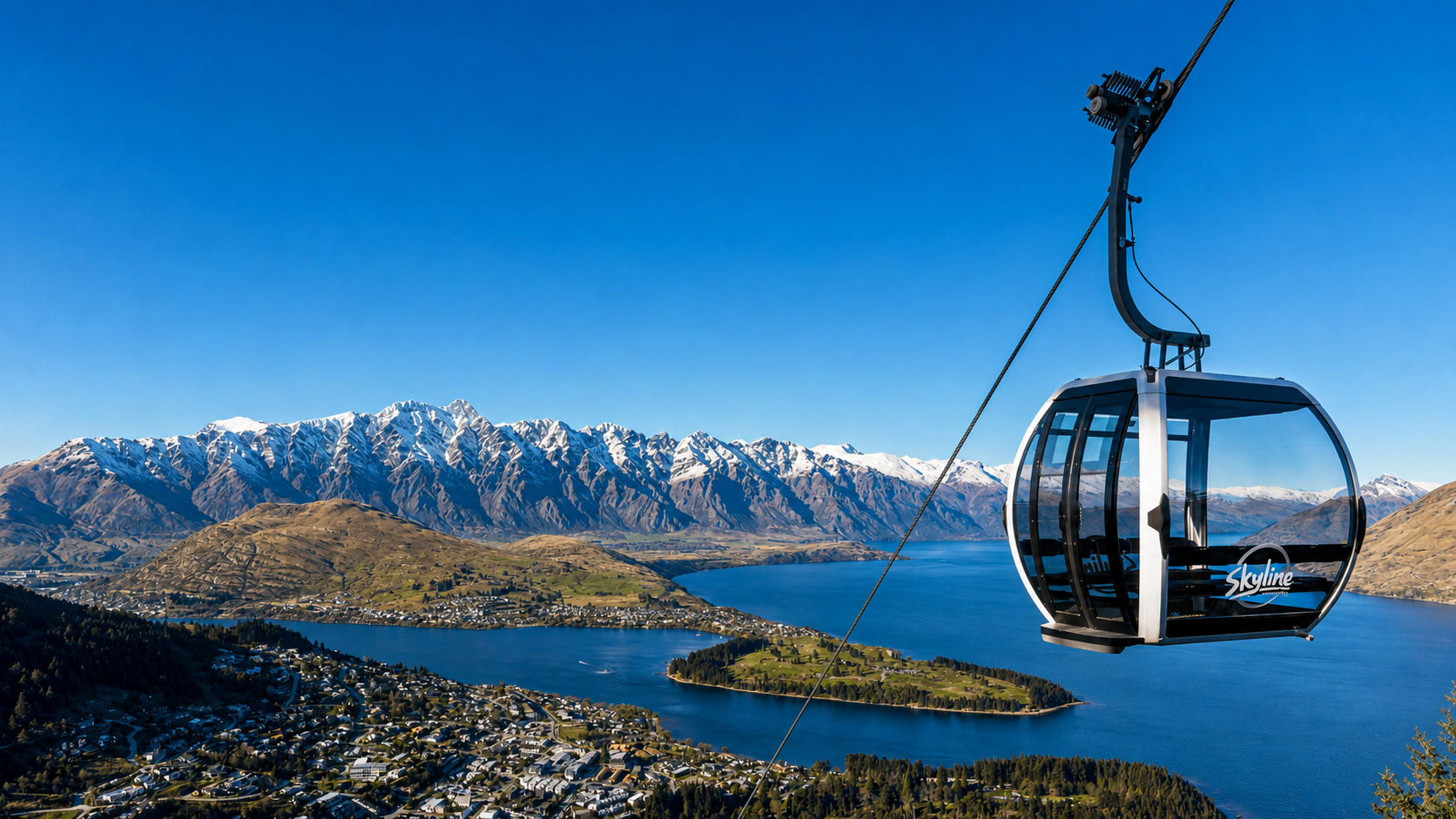
For many first-time visitors, the Skyline Gondola is the most natural place to begin. It sits close to the centre of town and climbs quickly towards Bob’s Peak, where the whole Queenstown landscape opens up beneath you. From the top, Lake Whakatipu stretches out below, Queenstown appears surprisingly small, and the Remarkables, Cecil Peak and Walter Peak dominate the skyline.
The view is impressive at almost any time of day, but I particularly like the idea of going later in the afternoon. The light over the mountains becomes softer, the lake changes colour, and if you stay long enough you can watch the town begin to light up as the day fades. It is also a good way to understand the geography of Queenstown before you start exploring further afield. From above, you can see just how closely the town, lake and mountains fit together.
If you are already heading up the gondola, I think the Luge is worth adding. It is one of those attractions that looks slightly childish until you actually try it, and then it becomes unexpectedly competitive. The carts are gravity powered, and you control both the steering and speed yourself. The first run is usually spent working out how everything works, but by the second or third run most people are taking the corners more seriously than they probably intended.
I would avoid choosing only one Luge run if your budget allows for more. One ride feels more like a practice lap, whereas several give you time to relax into it and actually enjoy the experience. This is also a particularly good option for families or groups where people have very different levels of enthusiasm for adventure. Someone who would never consider a bungy jump can still enjoy the gondola, views and Luge without feeling pushed beyond their comfort zone.
If the weather is completely closed in and you are staying several days, I would wait for a clearer window. The scenery is such an important part of the experience that it seems a shame to spend the money when the mountains are hidden.
2. Experience Shotover Jet
If I were recommending one paid Queenstown adventure to the widest possible range of travellers, Shotover Jet would be near the top of the list. It delivers the speed and excitement Queenstown is famous for, but without requiring you to make the kind of decision involved in stepping off a bridge or jumping from an aircraft.
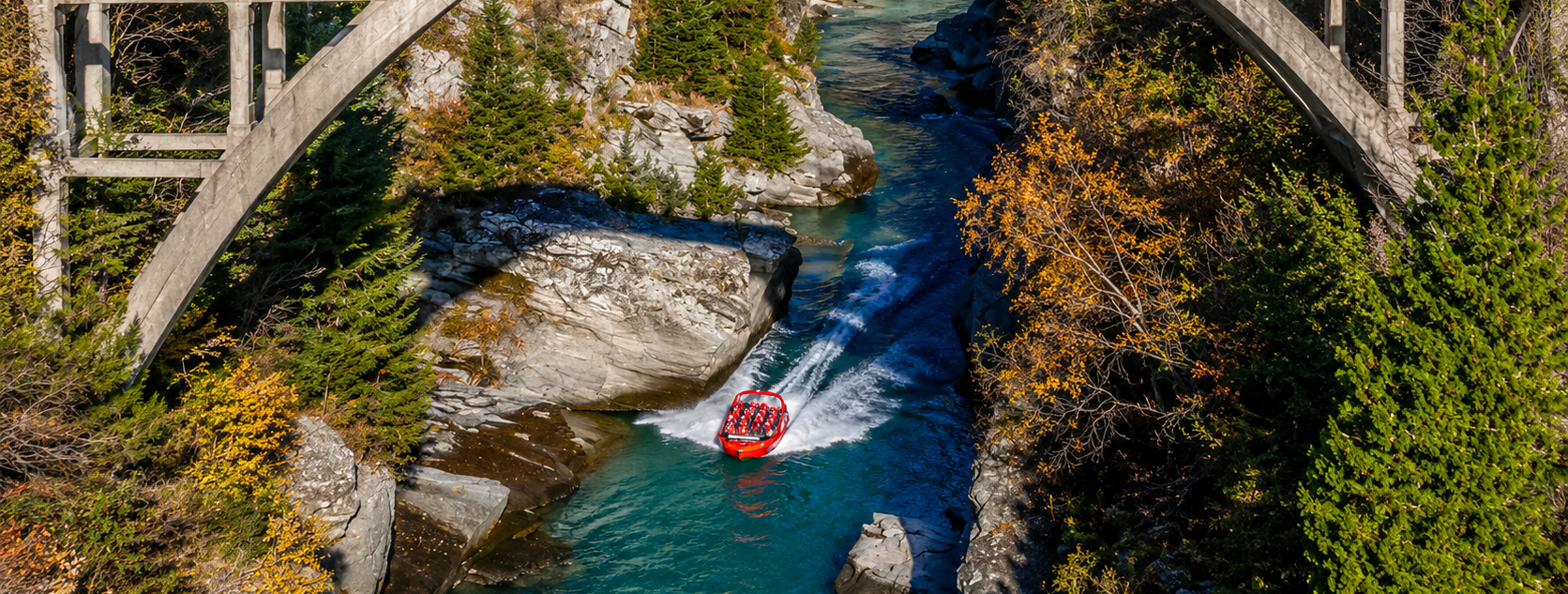
The real appeal is the setting. The boat travels through the narrow Shotover River canyons, where the rock walls seem far too close for comfort at times. The driver accelerates through shallow water, takes sharp turns and throws in the 360-degree spins that have made the experience famous. Even though you know the drivers are highly experienced, there are still moments when the canyon walls appear uncomfortably close and you find yourself gripping the side of the boat more firmly than before.
The ride itself is relatively short, but it does not feel lacking. There is very little downtime, and the constant combination of speed, tight corners and canyon scenery makes it feel much more intense than the duration suggests. For me, that is also what makes it good value compared with some other premium activities. It feels distinctive to Queenstown because the canyon is such an important part of the experience.
Shotover Jet is a particularly good choice for visitors who want some adrenaline but are not interested in bungy jumping or skydiving. Once you are in the boat, the decision-making is over. You simply sit down, hold on and enjoy the ride. It also fits easily into a wider day because you can do it in the morning and still have plenty of time for lunch, Skyline or another activity afterwards.
I would take an extra layer even if the weather feels mild in town. Moving quickly through the river can feel considerably cooler than standing beside Lake Whakatipu, particularly outside summer.
CHECK SHOTOVER JET AVAILABILITY
3. Take On a Queenstown Bungy Jump or Giant Swing
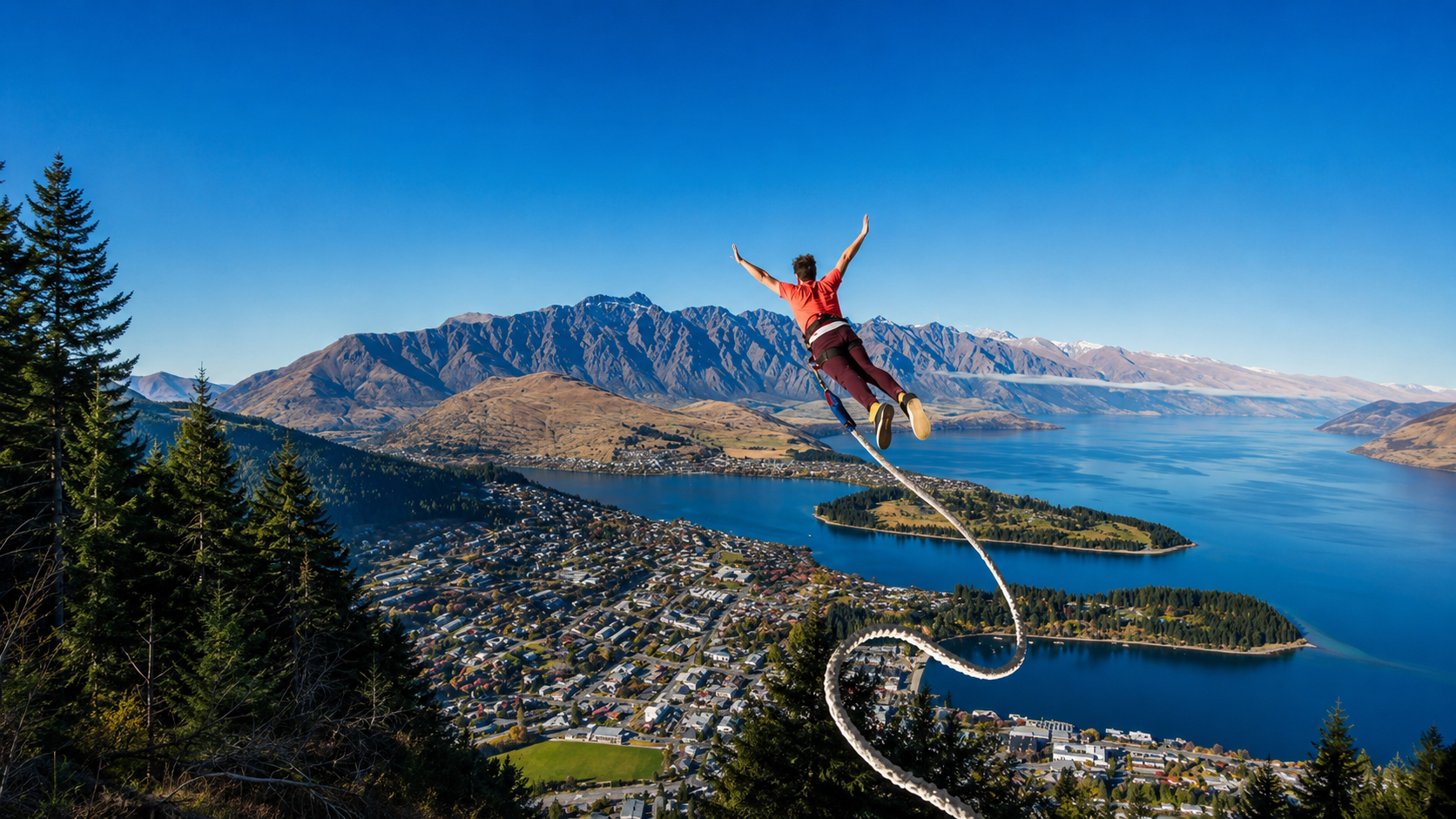
Bungy jumping is so closely associated with Queenstown that visitors sometimes feel they are expected to do it. I do not think that is the right reason to book one. If the idea genuinely does not appeal to you, spend the money elsewhere. Queenstown has far too many excellent experiences for anyone to feel as though they have to prove something.
If, however, you have always wanted to bungy jump and have spent years saying that you might do it one day, Queenstown is an obvious place to finally follow through.
For a first jump, I would look at the Kawarau Bridge. There is something about the setting that feels exactly right for a first bungy. The river runs below you, people gather on the viewing platforms, and you can watch other jumpers before it is your turn. Whether watching helps is debatable. Some people seem reassured by seeing others do it, while others probably spend the whole time wondering why they did not book the wine tour instead.
The hardest part is rarely the actual fall. It is the moment beforehand, when you are standing at the edge and everything is ready. Your body has spent a lifetime learning not to step off high places, and suddenly you are expected to ignore all of that sensible instinct because someone has counted down from three.
For people who want something bigger, the Nevis experience takes the whole idea to another level. The scale of the site is much more intimidating, and the journey out to the Nevis Valley adds to the feeling that you are heading somewhere specifically to do something serious. I would not automatically say that Nevis is better simply because it is higher. Kawarau has the classic bridge setting and works brilliantly for first-timers, whereas Nevis is more suited to people actively looking for the biggest possible challenge.
The giant swings are also worth considering. They are sometimes treated as the easier alternative to bungy, but that is not always how they feel. Instead of a straight drop and rebound, the swing sends you out across a much wider arc after the initial fall. Some people actually find that movement more unsettling. For friends or couples, the swing can also have the advantage of being something you experience together.
If you already know you are going to worry about the jump for several days, I would book it early in your stay. Get it done, enjoy the adrenaline afterwards, and spend the rest of the trip feeling very pleased that nobody can ask whether you are nervous about tomorrow.
4. Cruise Lake Whakatipu on the TSS Earnslaw
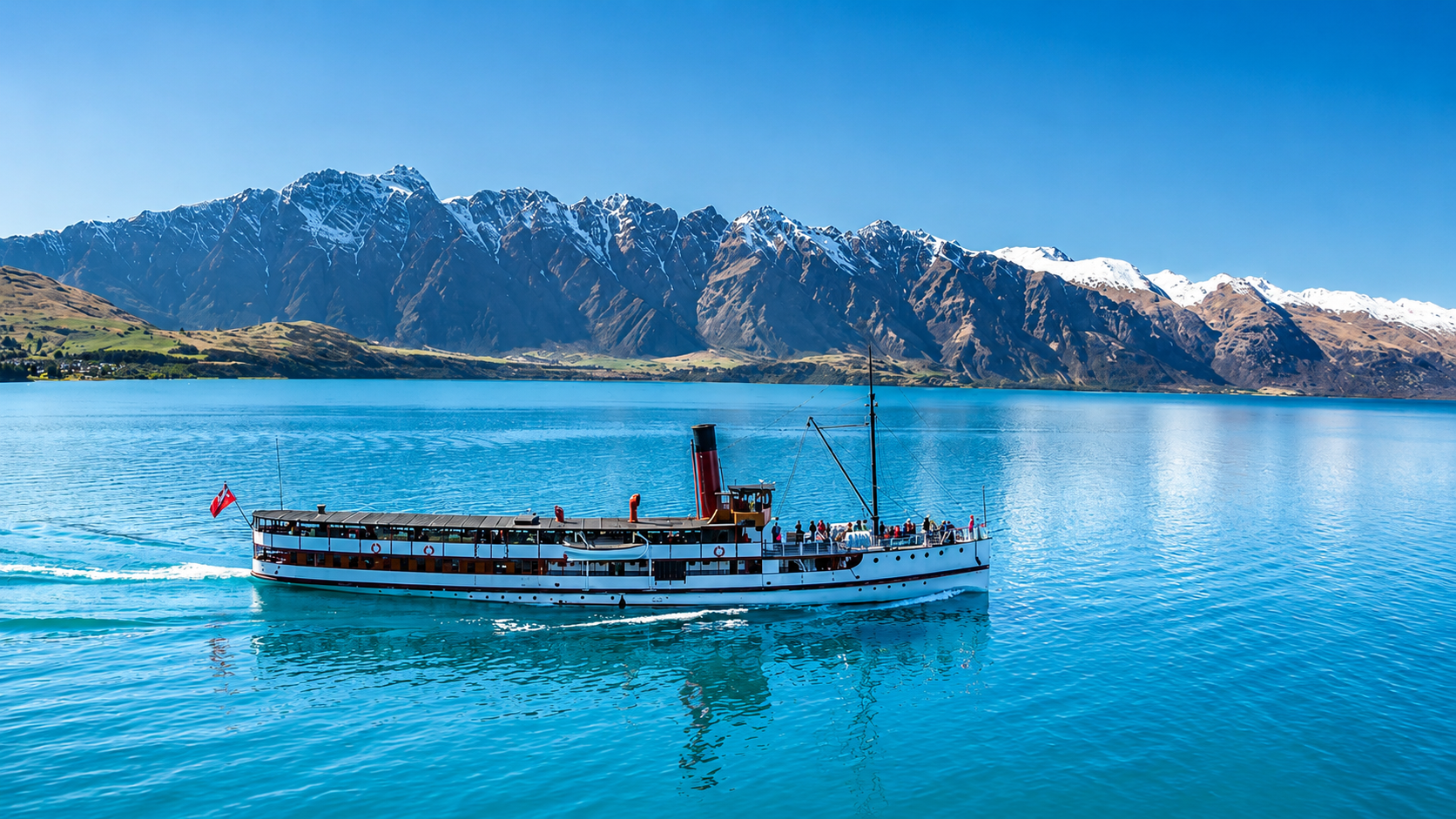
Queenstown is famous for fast activities, so it is worth having at least one experience where the point is to slow down. The TSS Earnslaw is one of the best options for that.
The historic steamship crosses Lake Whakatipu towards Walter Peak, and the journey gives you an entirely different view of Queenstown. From the waterfront, the lake can almost start to feel like part of the town. Once you are out on the water and Queenstown begins shrinking behind you, the scale becomes much more obvious. The mountains feel larger, the shoreline stretches further than expected, and you begin to appreciate just how small Queenstown really is within the wider landscape.
What I like about the Earnslaw is that there is no pressure to do much of anything. You can move around the boat, head outside, watch the scenery and simply enjoy the journey. After a couple of days of activities with check-in times, safety briefings and equipment, that slower pace can be surprisingly welcome.
If you have the time, I would consider combining the cruise with Walter Peak High Country Farm. This turns the boat trip into more of a half-day experience and works particularly well for families and couples. The farm activities are a good option if you are travelling with children, while the dining experiences suit anyone wanting a more relaxed afternoon or evening.
I would not automatically recommend it to someone who has already booked several scenic cruises elsewhere in New Zealand, particularly if they are also visiting Milford and Doubtful Sound. But for a first Queenstown visit, it offers a very different experience from the adventure activities and gives the itinerary some breathing room.
Walk Above Queenstown
5. Walk Above Queenstown
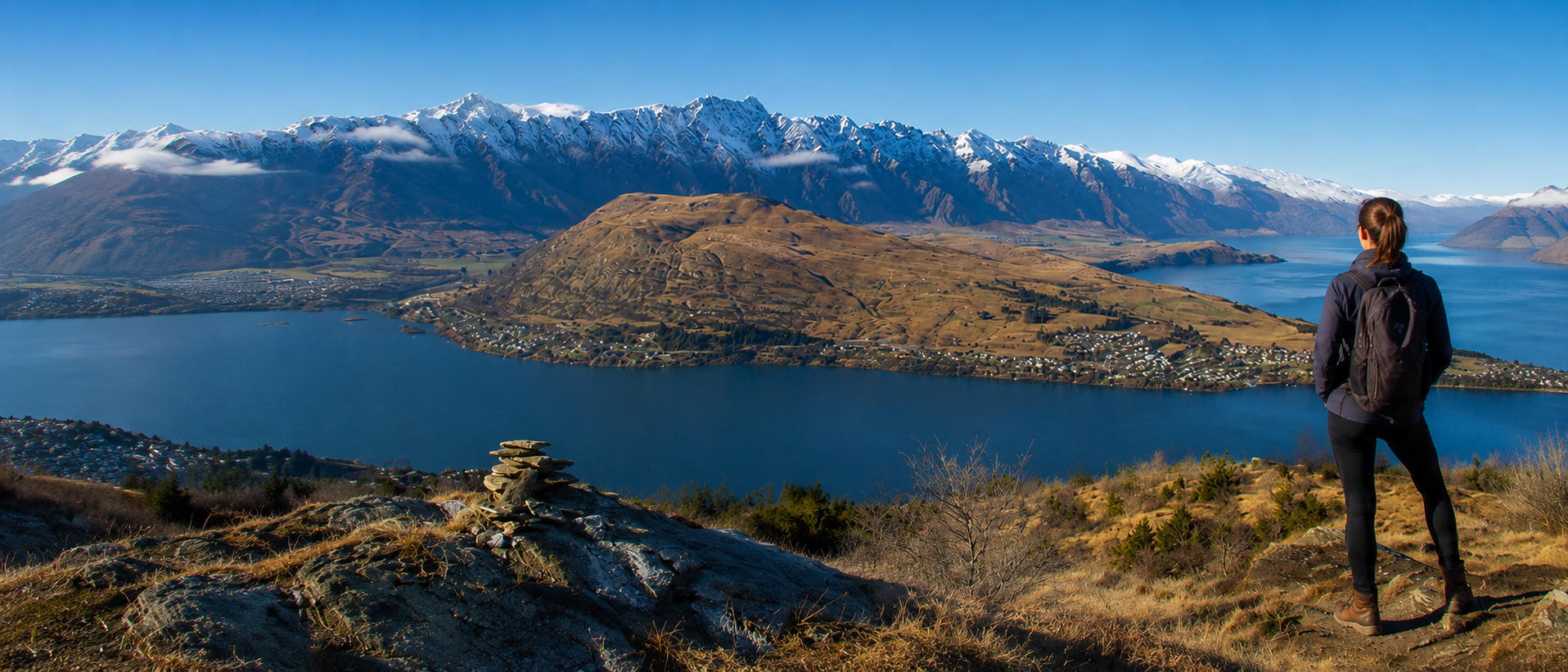
One of the best things about Queenstown is that you do not have to pay for every good view. In fact, some of the most rewarding perspectives over the town are reached simply by walking uphill.
For most visitors, Queenstown Hill is the walk I would recommend first. It begins close enough to town that you do not need to make an expedition out of it, but the views are still excellent. The track climbs through forest before opening onto broader views over Lake Whakatipu and the surrounding basin. It is steep enough to feel satisfying, but manageable enough that you can complete it in the morning and still have the rest of the day available.
A lot of people stop at the Basket of Dreams, which is the best-known viewpoint on the track. If the weather is good and you still have some energy, I would keep going higher. The extra climb gives you a much broader outlook and usually feels a little quieter than the main viewpoint.
For anyone wanting something considerably more demanding, Ben Lomond is the obvious step up. This is a proper mountain day rather than a casual walk above town. The climb is long, the elevation gain is significant, and the weather matters. On a clear day, the higher views are spectacular, but this is one of those walks where you need to be willing to change the plan if conditions are not right.
For most first-time visitors, Queenstown Hill is probably the better choice because it gives you an excellent reward without consuming the whole day. If hiking is one of the main reasons you are in the region, then Ben Lomond becomes much more appealing.
Either way, take another layer. Queenstown can feel mild beside the lake and completely different once you are higher and exposed to the wind.
6. Spend a Day Cycling and Exploring Gibbston
After a couple of days around central Queenstown, I think the itinerary benefits from getting out of town and slowing things down. Gibbston is one of the easiest places to do that.
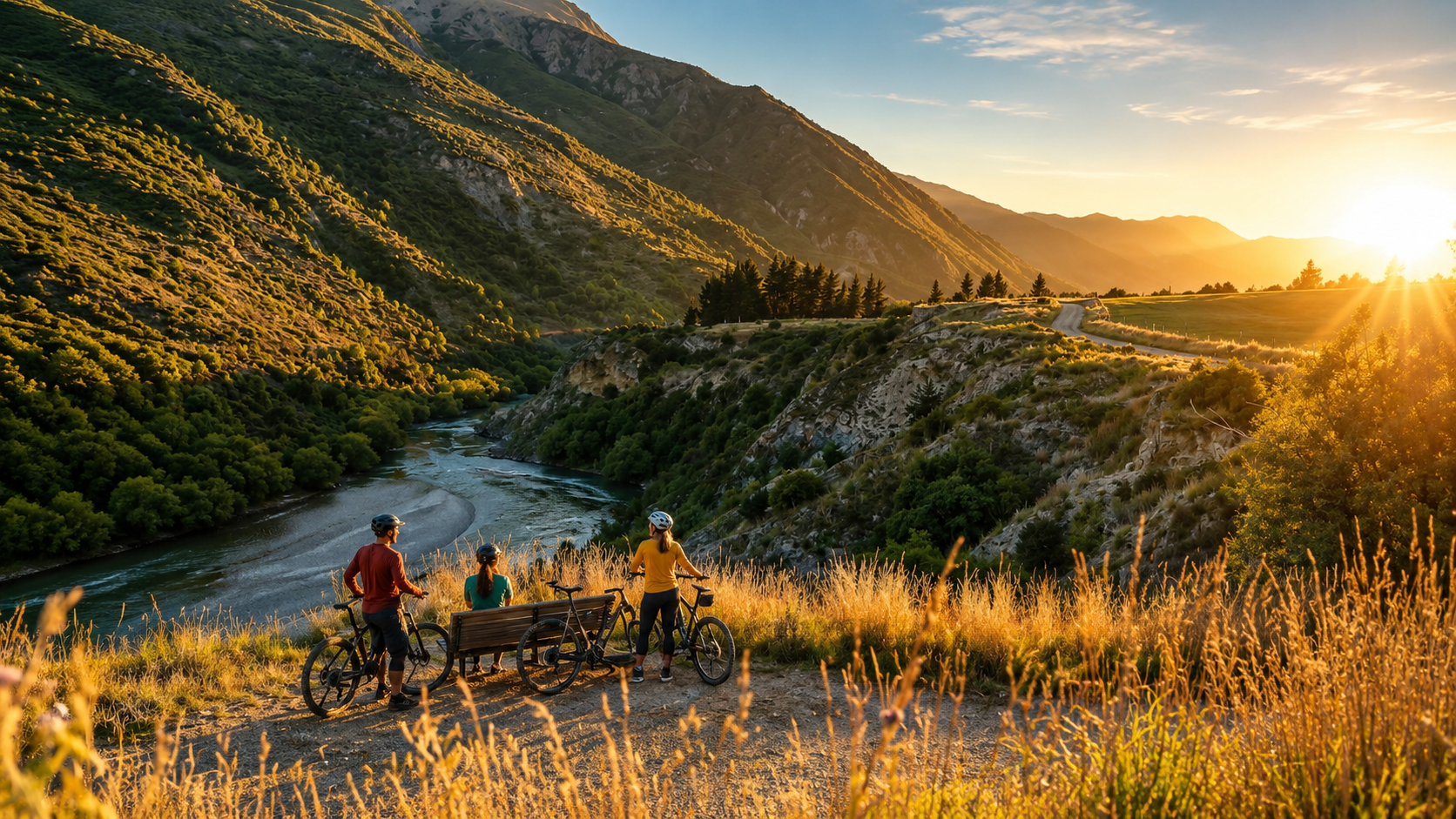
The scenery changes as you head into the valley. The landscape becomes drier, vineyards begin appearing, and the Kawarau River cuts through the hills. It feels much calmer than central Queenstown, even though it is not particularly far away.
One of the best ways to experience the area is by bike. The local trails allow you to move through the valley at a comfortable pace, stopping for lunch, a cellar door or simply somewhere with a good view of the river. It is not a day where I would worry about distance or speed. The stops are part of the experience.
An e-bike is worth considering even if you are reasonably fit. This is a holiday, not a cycling test. An e-bike makes it easier for groups with different levels of fitness to stay together and means you can enjoy the scenery without making every small climb the main event.
You can either organise the ride yourself or book one of the bike-and-shuttle experiences that take care of the logistics. I actually think the latter can offer good value because transport is one of the main practical problems with a one-way ride. If a tour sorts out the bike, shuttle and pickup, it is solving something useful rather than simply adding an unnecessary guide.
Gibbston also works well if you are planning the Kawarau Bungy. The two are already in the same general area, so combining them into one day makes far more sense than travelling back and forth from Queenstown.
If wine is not your thing, I would still consider Gibbston for the cycling and scenery. A good lunch, an easy ride and some time beside the river can be a very pleasant change of pace after the more intense Queenstown activities.
More Queenstown Activities Worth Considering
Choosing six activities in Queenstown inevitably means leaving some very good ones out. Depending on the kind of trip you want, skydiving, scenic helicopter flights, mountain biking, rafting, canyoning or skiing could easily replace one of the experiences above.
Skydiving is worth considering if the idea of freefalling over mountains and lakes appeals to you more than stepping off a bridge. Scenic flights are expensive, but the aerial view over the Southern Alps gives you a completely different understanding of the landscape. Mountain biking is a major reason to visit in its own right, particularly if you already ride regularly, while winter completely changes Queenstown into a ski and snowboard destination.
The point is not to squeeze all of these into one trip. The best approach is to choose the activities that genuinely appeal to you and leave the rest for another visit.
The Best Free Things to Do in Queenstown
Queenstown can become expensive surprisingly quickly, so I think every itinerary should include a few free or low-cost days.
Queenstown Gardens is an easy place to start. The gardens sit right beside the centre of town and make a relaxed walk, particularly in the evening. The lakefront is another obvious option. You can simply follow the shoreline until you feel like turning around, stopping whenever the view looks good.
Queenstown Hill gives you something more active, while sitting beside the lake with a coffee costs very little and is often exactly what you need after several days of activities.
It is worth remembering that Queenstown does not become less interesting when you stop paying for things.
The Best Day Trips From Queenstown
One of the biggest problems with Queenstown is that there are almost too many good places nearby. It is very easy to spend your entire stay leaving town every morning.
I would choose one or two day trips rather than trying to do them all.
Glenorchy is probably my favourite. The drive follows Lake Whakatipu north and is beautiful enough that I would allow much more time than the map suggests. You will want to stop. Once you reach Glenorchy, there are short walks, wilderness experiences and further road trips towards places such as Paradise.
Arrowtown is much closer and works well as a half-day trip. It has a completely different atmosphere from Queenstown, with historic buildings, walking tracks and a much slower pace. It combines particularly well with Gibbston.
Wānaka is close enough to visit for the day, but I would rather stay there if the itinerary allows. It deserves more than a quick lunch stop.
Milford Sound is also sold heavily as a Queenstown day trip. It can be done, but it is a long day. If Queenstown is your only base, an organised coach-and-cruise trip is much more sensible than attempting the return drive yourself. If you have more time, I would stay in Te Anau and give Fiordland its own section of the trip.
→ Read: [5 BEST THINGS TO DO IN WĀNAKA]
→ Read: [5 BEST THINGS TO DO IN FIORDLAND]
How Many Days Do You Need in Queenstown?
For a first visit, I would aim for at least three full days. Four or five is better.
Two days is enough to get a taste, but you will need to keep things focused. One day could be spent exploring town and Skyline, with the second built around Shotover Jet and a walk such as Queenstown Hill.
Three days gives you more room to add a major adventure activity and still have a slower day. Four days allows you to include somewhere like Glenorchy or Arrowtown without feeling rushed. With five days, you can add another day trip, a longer hike or simply leave some space for weather.
That last point is important. Queenstown becomes much easier to enjoy when one cloudy morning does not ruin the entire itinerary.
My Ideal Four-Day Queenstown Itinerary
If I were planning a first Queenstown trip for someone wanting a mixture of adventure and sightseeing, I would keep the structure fairly simple.
On the first day, I would explore the lakefront and town before heading up Skyline later in the afternoon. That gives you a good sense of Queenstown without making arrival day stressful.
The second day would be the main adventure day. Shotover Jet in the morning works well, followed by lunch and then whatever bigger activity appeals most, whether that is bungy, a giant swing, skydiving or something else.
On the third day, I would head out towards Gibbston for cycling, lunch and perhaps a couple of winery stops. If the timing worked, I would include Arrowtown as part of the same day.
The fourth day would be Glenorchy. I would drive slowly, stop when something looks interesting and resist the urge to turn the road trip into another checklist.
That gives you four very different days without spending the entire trip racing from one booking to another.
What Should You Book Before Arriving?
I would only pre-book the activities you would genuinely be disappointed to miss.
Shotover Jet, bungy experiences, scenic flights, TSS Earnslaw dining options, skydiving and busy winter ski activities are all worth organising ahead if they are priorities.
I would leave more flexibility around hiking, Queenstown Gardens, lakefront walks and self-drive day trips. These are exactly the kinds of things that can move around depending on the weather.
The aim is not to have every hour organised. It is to secure the important things and let the rest of the trip breathe.
Is Queenstown Expensive?
It can be, especially if you start stacking premium activities on top of central accommodation and eating out every day.
The easiest way to manage the cost is to alternate between paid highlights and lower-cost days. One day might include Shotover Jet and Skyline, while the next could be Queenstown Hill, the gardens and time around the lake. Another paid day could be Gibbston, followed by a self-drive trip to Glenorchy.
This gives you the memorable experiences without turning the entire trip into a constant stream of transactions.
If I could only afford one paid activity, I would choose Shotover Jet for most people. If I could afford two, I would add Skyline and the Luge. If bungy jumping had always been a personal goal, I would ignore both of those suggestions and do the bungy instead.
Travel is personal, and the best activity is the one you are still going to talk about when you get home.
When Is the Best Time to Visit Queenstown?
There is no single best season because Queenstown changes dramatically through the year.
Summer is ideal for hiking, cycling and long road-trip days. The downside is that it is also one of the busiest times.
Autumn is one of my favourite periods to recommend because the weather is cooler, the light is often beautiful and nearby Arrowtown becomes especially attractive as the leaves change colour.
Winter turns Queenstown into a ski town. If skiing or snowboarding is the reason you are coming, this is obviously the season to choose. Even if you are not skiing, the snow-covered mountains give the area a completely different feel.
Spring sits somewhere in between. Snow can remain on the higher mountains while the valleys start warming up, and the weather can change quickly from one day to the next.
Where Should You Stay in Queenstown?
For a first visit, I prefer staying within walking distance of central Queenstown if the price works.
Being close to the centre means you can walk to restaurants, Skyline, the lakefront and many activity meeting points without constantly thinking about transport or parking.
Frankton can offer better value and is useful for airport access, while Fernhill is a good option if lake views are more important than being right in the centre. Arrowtown can also work as a quieter base if you have your own transport.
Whatever you choose, check the map rather than relying on the accommodation description. A property marketed as being in Queenstown can still be much further from the center than you expected.
Do You Need a Car in Queenstown?
Not necessarily.
If you are staying centrally and mainly doing organised activities, you can manage perfectly well without one. Many tours include transport, and central Queenstown is very walkable.
A car becomes much more useful when you start adding Glenorchy, Arrowtown, Gibbston, Wānaka and independent hiking areas.
I would build the itinerary first and then decide whether you actually need a rental car. There is little value in paying for one that spends three days parked while tour operators collect you from town.
Queenstown for Travellers Who Do Not Want Adrenaline
Queenstown's reputation as the adventure capital can make it sound as though everyone needs to be jumping, rafting or falling out of something.
That is not the case.
You could have an excellent trip built around the TSS Earnslaw, Walter Peak, Skyline, Gibbston, Queenstown Gardens, Arrowtown, Glenorchy, scenic flights and easy walking trails.
The mountains and lake are still there even if you have absolutely no interest in testing your fear of heights.
What If It Rains?
Rain does not automatically ruin Queenstown.
Some activities, particularly scenic flights and higher mountain experiences, may be affected, but the best approach is simply to keep a little flexibility in the plan.
Use poorer weather for cafés, shops, town exploring and slower activities, then save the clearer windows for hiking, Glenorchy and scenic flying.
The biggest mistake is creating an itinerary where every single day depends on perfect mountain visibility.
Final Thoughts: Is Queenstown Worth Visiting?
Absolutely.
Queenstown is popular because it manages to combine things that are difficult to find together anywhere else in New Zealand. The lake and mountains would make it worth visiting even without the adventure industry, but then you add jet boating, skiing, cycling, hiking, wineries, bungy jumping and easy access to places such as Glenorchy and Arrowtown.
There is always more to do than you have time for.
That is why I do not think the goal should be trying to fit everything in.
Choose the experiences that genuinely interest you. Spend money where the activity gives you something special. Balance those days with walks, road trips and time beside the lake. Let the weather change the plan occasionally and resist the temptation to fill every gap.
Queenstown is often marketed as a place where you should keep doing more, but I think it becomes better once you stop trying to do everything.
Take the jet boat if that excites you. Jump from Kawarau Bridge if you have always wanted to. Ride through Gibbston, walk above town and spend an afternoon on Lake Whakatipu.
Then leave yourself time to sit somewhere with a view.
Because once you stop rushing between activities, you realise that Queenstown itself is one of the best parts of the trip.
Ready to Plan Your Queenstown Adventure?
If you already know which activities matter most to you, start by checking those first. Secure the experiences you would genuinely be disappointed to miss, then build the rest of the trip around them.