

ROTORUA
6 Best Things to Do in Rotorua:
Geothermal Wonders, Māori Culture and Adventure
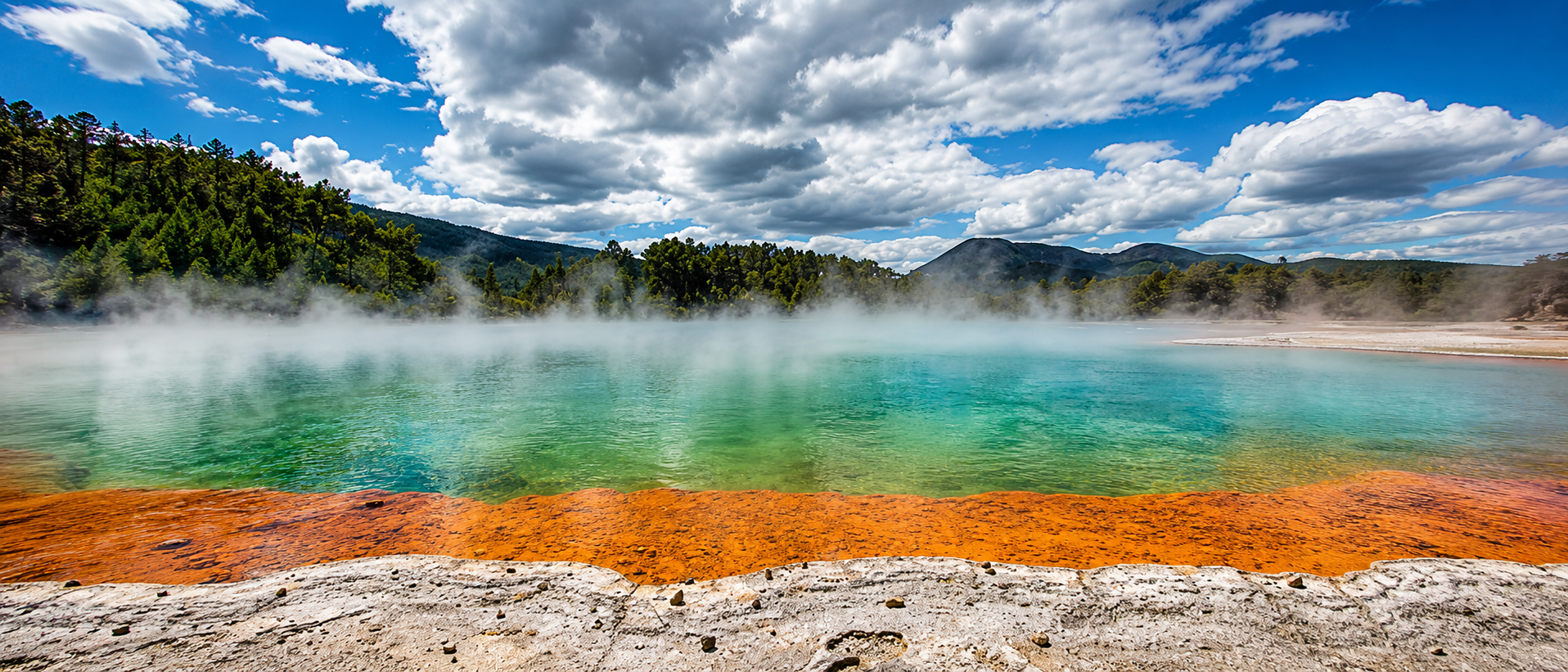
Rotorua is one of those places that could only exist in New Zealand. Steam rises from the ground, mud pools bubble beside the road, enormous redwood trees surround the city, and the faint smell of sulphur reminds you that there is plenty happening beneath your feet.
While Rotorua is best known for its geothermal activity and Māori culture, it is also one of the North Island’s best adventure destinations. You can raft over a seven-metre waterfall, race down a hillside on a luge cart, mountain bike through the forest and finish the day soaking in naturally heated mineral water.
What makes Rotorua particularly good for travellers is how close everything is. You do not need to spend half the day driving between activities, and there are enough wet-weather options to keep your plans moving when the forecast changes.
I recommend staying for at least two full days, although three days will give you time to enjoy the city without rushing through every attraction. Here are six of the best things to do in Rotorua.
Experience Rotorua’s Geothermal Landscape at Te Puia
1. Experience Rotorua’s Geothermal Landscape at Te Puia
You cannot visit Rotorua without seeing at least one proper geothermal valley, and Te Puia is one of the most complete places to begin.
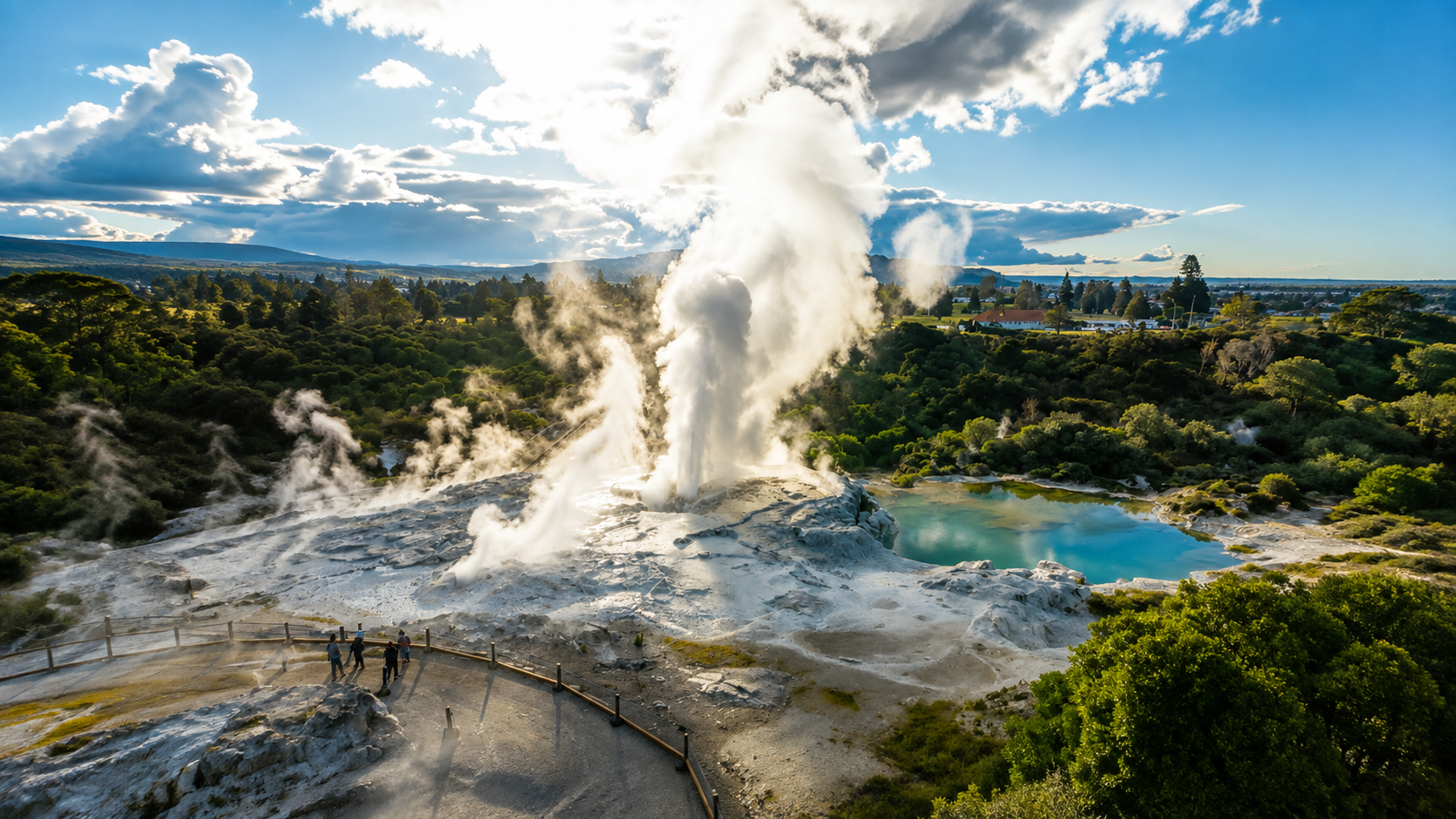
Set within the Whakarewarewa Geothermal Valley, Te Puia combines geysers, steaming vents, bubbling mud pools, native bush and Māori culture. Its best-known natural feature is the Pōhutu Geyser, which regularly erupts from the valley floor.
The guided Te Rā experience also visits the New Zealand Māori Arts and Crafts Institute and the Kiwi Conservation Centre. This means you see more than geothermal activity—you can learn about traditional carving and weaving and may also get the opportunity to see a kiwi.
Te Puia is my recommendation for first-time Rotorua visitors who want several important experiences in one place. It is polished and popular, but the guided format gives the visit more meaning than simply walking past a series of mud pools.
Do not expect to rush through in 30 minutes. Take your time, listen to the guides and wait near the geyser terrace. Geothermal activity does not follow a tourist timetable perfectly, so a little patience may reward you with a much better eruption.
Te Puia also offers evening experiences that combine cultural performances, food and geothermal scenery. These can be a useful option when your daytime itinerary is already full.
Te Puia or Wai-O-Tapu?
Te Puia is the better choice when you want a guided experience combining geothermal activity, Māori arts and local stories.
Wai-O-Tapu is my pick for travellers mainly interested in unusual colours, crater walks and dramatic geothermal photography. The park is known for its colourful geothermal features and landscapes shaped by thousands of years of volcanic activity.
Hell’s Gate is another strong alternative, particularly when you want to combine a geothermal walk with a mud bath and sulphur spa.
My tip: Wear older, comfortable shoes. Geothermal parks can have wet paths, loose surfaces and the occasional splash of mud. Do not wear your favourite white trainers.
Spend an Evening Experiencing Māori Culture
2. Spend an Evening Experiencing Māori Culture
Rotorua is one of the best places in Aotearoa to learn about Māori culture, particularly the history and traditions of Te Arawa.
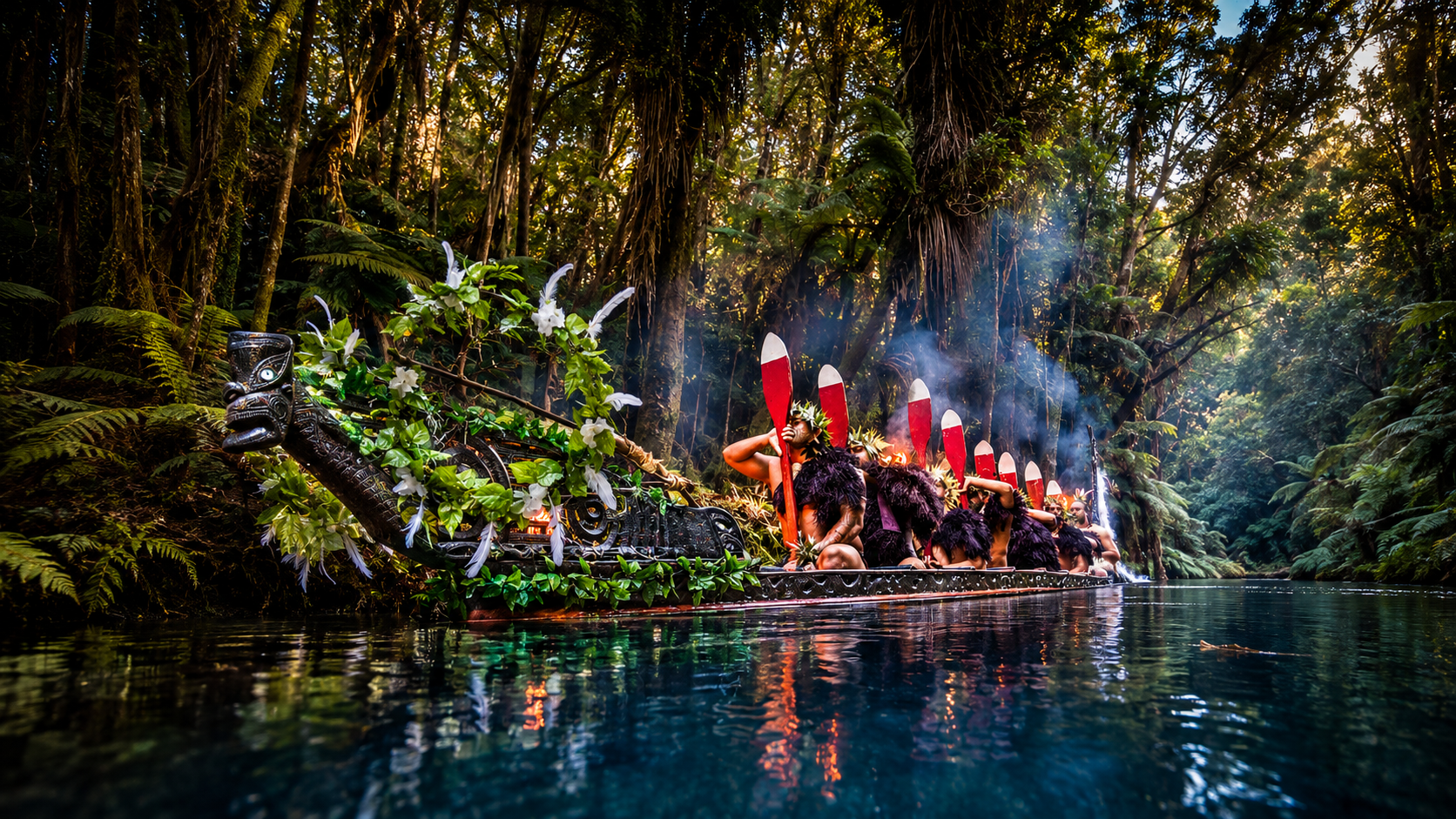
A cultural evening is much more than sitting in an audience and watching a performance. The better experiences include storytelling, waiata, haka, traditional activities, conversation and food. They give visitors an introduction to tikanga, manaakitanga and the importance of connection between people, whenua and whakapapa.
One of the most established options is Te Pā Tū, formerly known as Tamaki Māori Village. Its seasonal evening experiences share Māori history, traditions and future aspirations through welcoming ceremonies, performances, activities and a multi-course feast. The experience lasts roughly three and a half to four hours, and return transport is available from central Rotorua.
This is one Rotorua experience where I would avoid choosing purely by price. A well-hosted cultural evening can become one of the most memorable parts of a New Zealand trip, especially for international visitors who may have had little opportunity to learn directly from Māori hosts.
Come ready to participate rather than simply observe. You may be invited to join an activity, learn some words or respond during part of the experience. Showing interest and being willing to listen makes the evening much more rewarding.
I also recommend arriving hungry. Food is an important part of manaakitanga, and the meal is not just something added to the end of the performance. It is part of the wider experience of welcoming and bringing people together.
My tip: Book a cultural evening for a night when you do not have an early start planned the next morning. The experience can finish later than an ordinary dinner, and you will enjoy it more when you are not watching the clock.
Compare Rotorua Māori cultural experiences and evening feasts
3. Walk or Ride Through the Redwoods
The Redwoods – Whakarewarewa Forest is one of my favourite places to escape the busier Rotorua attractions.
You can walk through the forest for free, choose from several trails or hire a mountain bike and explore Rotorua’s famous trail network. The atmosphere changes surprisingly quickly once you leave the car park. Within a few minutes, you are surrounded by towering trees, ferns and soft forest light.
Even travellers who are not particularly interested in hiking should spend some time here. The easier walking trails allow you to experience the forest without committing to a long or difficult day walk.
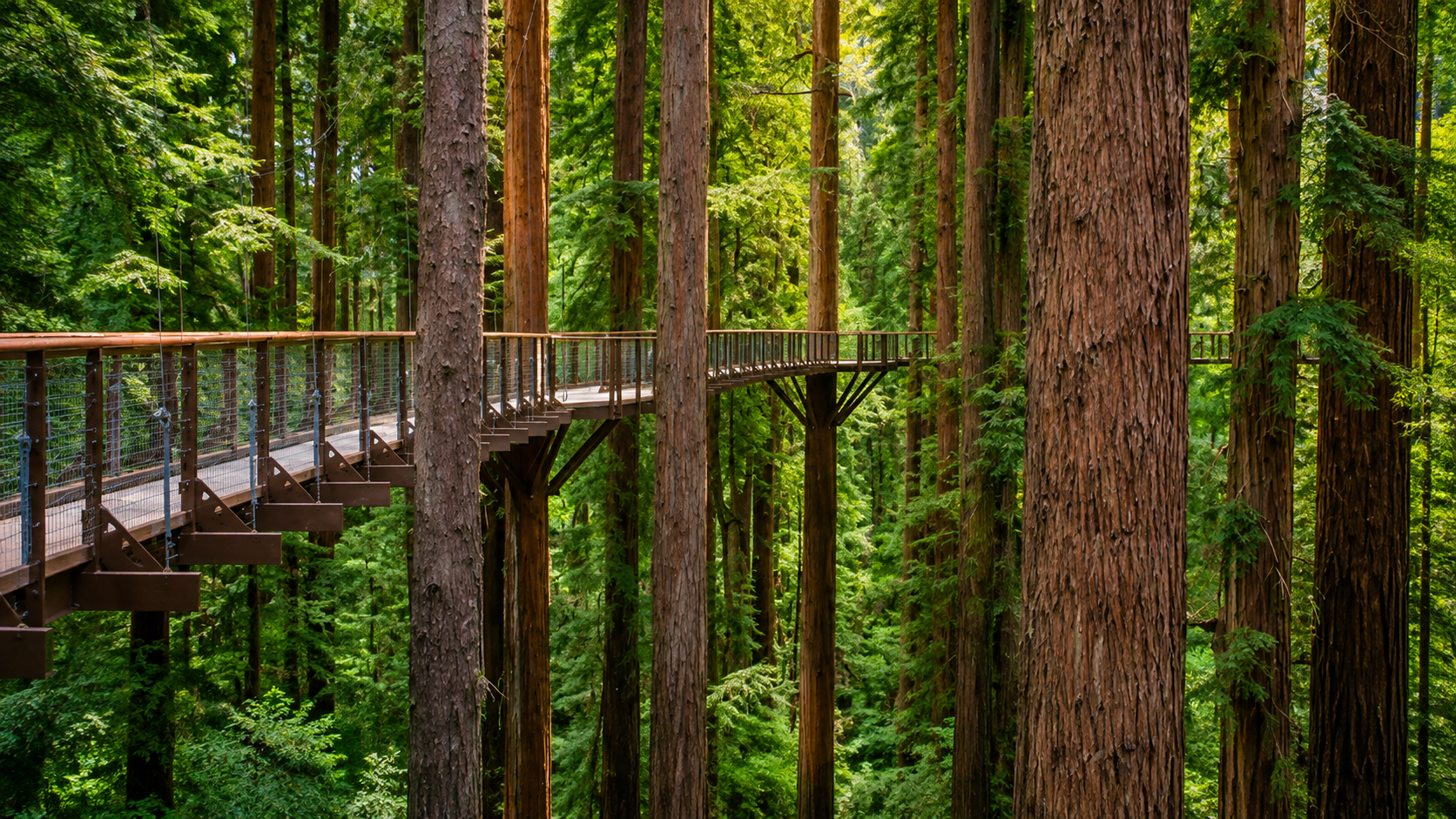
For something different, try the Redwoods Treewalk. The 700-metre walkway uses 28 suspension bridges to travel between 27 mature redwood trees, reaching approximately 20 metres above the forest floor at its highest point. No harness or specialist training is required.
You can complete the Treewalk during the day, but I think the forest becomes more memorable after dark. The Redwoods Nightlights experience uses suspended lanterns and lighting installations among the trees, creating an atmosphere that feels completely different from the daytime forest.
My preference would be to arrive before sunset, explore one of the free ground-level trails and then complete the Treewalk as the forest gets darker. This gives you both versions of the Redwoods without making two separate visits.
Mountain biking in Rotorua
Keen riders should allow more time. The wider Whakarewarewa Forest has an extensive network of mountain-bike trails covering a range of abilities, from beginner-friendly riding to advanced technical routes.
Bike hire and guided rides are available for travellers who have not brought their own equipment. Be honest about your riding ability when choosing a trail. Rotorua has plenty of accessible riding, but the harder tracks are genuinely challenging.
My tip: Book the Treewalk in advance during weekends, school holidays and summer. For the free forest walks, carry a light rain jacket. The forest is beautiful in light rain, and the tree cover provides some shelter.
Book the Redwoods Altitude, Nightlights Fast Pass, & Treewalk Rotorua
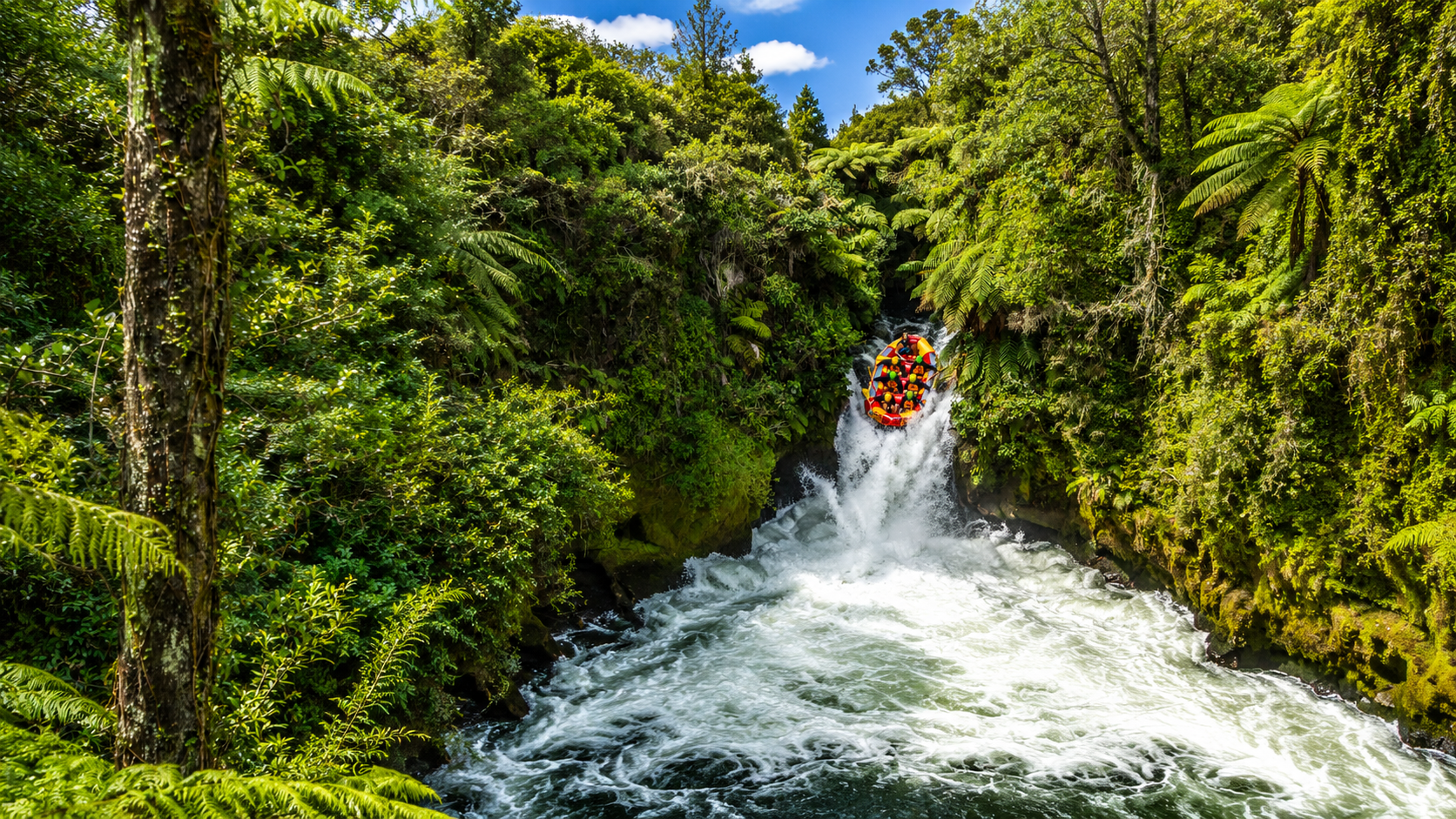
4. Raft the Kaituna River and Tutea Falls
For a proper Rotorua adventure, it is difficult to beat rafting the Kaituna River.
The trip travels through a steep, bush-covered gorge with fast-moving water, narrow rapids and the famous seven-metre Tutea Falls. It is promoted as the world’s highest commercially rafted waterfall, and the moment the raft tips over the edge is easily one of Rotorua’s biggest adrenaline experiences.
The main rafting section includes approximately 14 rapids, with around 50 minutes of action on the river. Operators provide safety equipment, instruction and experienced guides.
The waterfall looks intimidating in photographs—and it feels even bigger when you are approaching it from inside the raft—but you do not usually need previous rafting experience. The guides explain how to position yourself, hold the paddle and respond to instructions before you reach the harder water.
My advice is to commit fully once you are on the river. Paddle when your guide tells you, get down when instructed and do not worry about looking graceful. Nobody looks elegant while disappearing into a wall of white water.
You should also expect to get completely wet. This is not one of those gentle rafting trips where you finish with slightly damp sleeves. Bring a towel, dry clothes and something warm to put on afterwards.
Some operators combine Kaituna rafting with Hell’s Gate, allowing you to follow the river adventure with a mud bath or sulphur soak. That is a very Rotorua way to spend a day: throw yourself over a waterfall, then sit in geothermal mud and recover.
My tip: Secure long hair and remove jewellery or anything valuable before changing into your rafting gear. Check age, weight and medical requirements with the operator before booking.
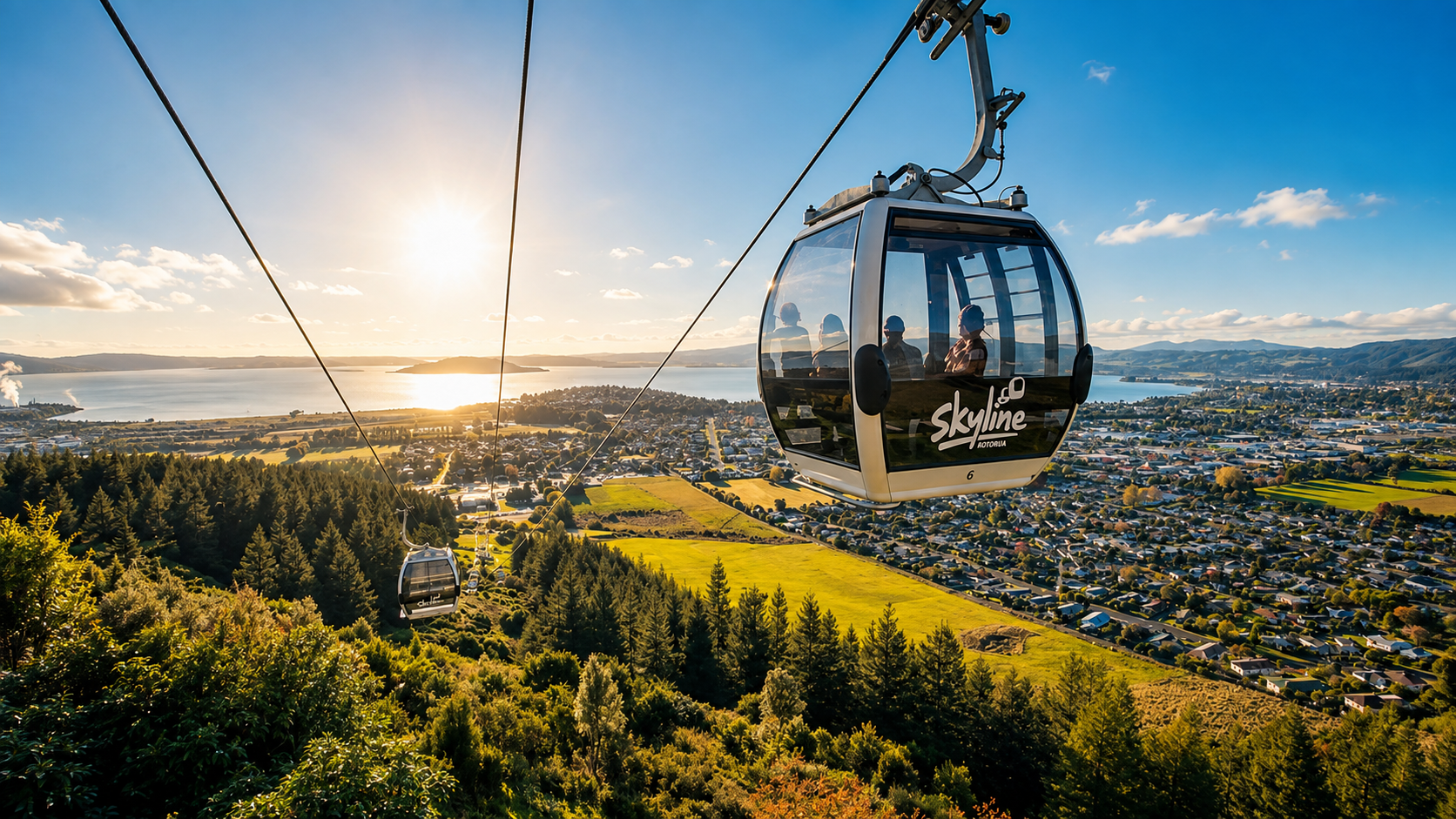
Ride the Gondola and Luge at Skyline Rotorua
5. Ride the Gondola and Luge at Skyline Rotorua
Skyline Rotorua is unashamedly touristy, but it is also genuinely good fun.
The experience begins with a gondola ride up the side of Mount Ngongotahā. From the top, you get wide views across Rotorua, the lake and the surrounding landscape. You can stop for food, try the zipline or Skyswing, or head directly to the luge tracks.
The luge is a low, three-wheeled cart controlled using handlebars for steering and braking. It is part go-kart and part toboggan, with gravity doing most of the work.
Skyline currently has around 7.3 kilometres of luge tracks. Riders can choose their pace, although that does not prevent a supposedly friendly family race from becoming unexpectedly competitive. Children over 85 centimetres tall and at least two years old may be able to ride with an adult, subject to the attraction’s conditions.
Do not make the mistake of buying only one ride. Your first run is usually spent understanding the steering and finding your confidence. By the second or third ride, you know where the corners are and can enjoy it properly.
Three rides would be my minimum. Five is better for competitive groups or anyone who already knows they enjoy the luge.
Skyline also offers packages combining the gondola and luge with ziplining, the Skyswing or dining at Stratosfare Restaurant.
For families, Skyline is one of Rotorua’s safest all-round choices because people can participate at different levels. One person can race down the luge while someone else enjoys the gondola views and a coffee.
My tip: Start on the easiest track even when you feel confident. Once you understand the cart, move onto the faster options. Wear closed shoes and bring an extra layer because the top can feel cooler than central Rotorua.
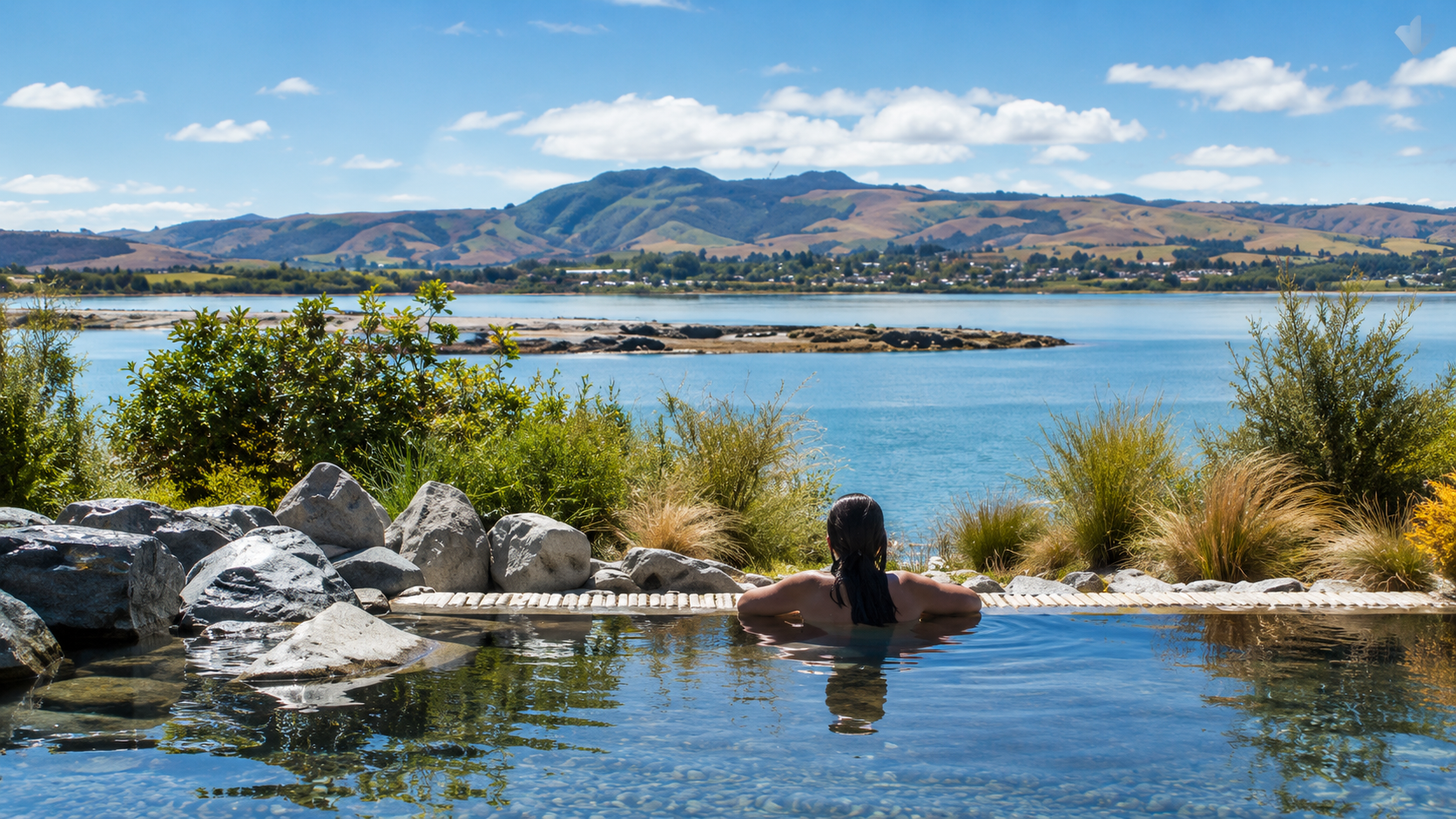
Finish with a Geothermal Soak
6. Finish with a Geothermal Soak
After walking, mountain biking, rafting or racing down the luge, finish your Rotorua visit in naturally heated mineral water.
Rotorua has several different bathing experiences, ranging from family pools to high-end wellness spas. The right one depends on your budget and whether you want relaxation, family entertainment or something more luxurious.
Polynesian Spa
Polynesian Spa is the classic Rotorua option. It sits beside Lake Rotorua and offers several different bathing areas.
The Pavilion Pools are available to guests aged 12 and over, while the family area includes a freshwater swimming pool, a small hydroslide and alkaline mineral pools. The Deluxe Lake Spa provides a quieter, more premium environment with mineral pools, heated recliners and lake views.
Polynesian Spa is my choice for first-time visitors who want a convenient geothermal soak close to central Rotorua. It is easy to include after sightseeing, and the different pool areas mean you can select an experience that suits your group and budget.
Book Polynesian Spa pools and wellness experiences
Wai Ariki Hot Springs and Spa
For something more luxurious, consider Wai Ariki Hot Springs and Spa on the Rotorua lakefront.
Wai Ariki is owned by Ngāti Whakaue and combines geothermal bathing with Ngāti Whakaue stories and traditional approaches to wellbeing. Its experiences include mineral pools, saunas, steam rooms, a mud lounge and restorative bathing journeys.
It costs more than a standard hot-pool visit, but it is better treated as a complete wellness experience rather than a quick swim. Allow enough time to follow the journey and enjoy the facilities without rushing.
Check Wai Ariki spa experiences and nearby Rotorua accommodation
Hell’s Gate Mud Bath and Spa
Hell’s Gate is the option I would choose when you want something distinctively Rotorua.
You can explore its active geothermal reserve before bathing in geothermal mud and sulphur water. It is New Zealand’s only mud-spa complex, so this is not an experience you will find in every North Island town.
Do not wear your best swimwear. Geothermal mud and sulphur can leave a lingering smell, and lighter fabrics may discolour.
Book a Hell’s Gate geothermal walk and mud-bath experience
My tip: Drink water before and after bathing, take regular breaks and avoid staying continuously in the hottest pool. Check the operator’s health advice when you have a medical condition that may be affected by heat.

How Long Should You Spend in Rotorua?
I recommend spending at least two full days in Rotorua, although three days will give you a much better balance of culture, adventure and relaxation.
With two days, you could visit Te Puia, explore the Redwoods, complete one major adventure and attend a cultural evening.
A third day gives you time for another geothermal park, a longer mountain-bike ride or a proper thermal-spa experience without trying to squeeze everything into the same afternoon.
Suggested Three-Day Rotorua Itinerary
Day One: Geothermal Rotorua and Māori Culture
Begin with Te Puia or Wai-O-Tapu, take some time to explore the lakefront and finish with a Māori cultural evening at Te Pā Tū.
Day Two: Forests and Adventure
Spend the morning rafting the Kaituna River, return to Rotorua for lunch and visit the Redwoods in the late afternoon. Complete the Treewalk after dark.
Day Three: Skyline and Hot Pools
Ride the gondola and luge at Skyline Rotorua, then finish your trip at a Polynesian Spa, Wai Ariki or Hell’s Gate.
Keep some flexibility in the itinerary. Rafting and outdoor activities can be affected by conditions, while popular evening experiences may sell out during busy periods.
Where to Stay in Rotorua
Central Rotorua is the most convenient base when you want easy access to restaurants, the lakefront, Polynesian Spa and tour pick-up points.
The Fenton Street area has a large range of motels and works well for travellers with a car. Families may prefer accommodation with thermal pools or larger self-contained rooms, while couples planning a spa-focused break could stay near the lakefront.
For a quieter setting, look at accommodation near the Redwoods, Lake Tarawera or the surrounding countryside. You will be farther from central restaurants, but the surroundings can feel much more peaceful.
Final Thoughts
Rotorua deserves more than a hurried geothermal stop during a North Island Road trip.
For first-time visitors, my three essential experiences would be a geothermal valley, a Māori cultural experience and the Redwoods. Those three activities explain what makes Rotorua different from anywhere else in the country.
After that, add an adventure that suits your group. Choose Kaituna River rafting for the biggest rush, Skyline for family-friendly fun or a geothermal spa when relaxation is more your style.
The smell of sulphur may be the first thing you notice when you arrive, but it probably will not be what you remember. Rotorua stays with you because of its landscapes, stories, forests and the feeling that the ground beneath the city is very much alive.
Ready to explore Rotorua?
View and compare the best Rotorua tours, cultural experiences and adventure activities