

WĀNAKA
5 Best Things to Do in Wānaka, New Zealand
Wānaka often gets described as the quieter alternative to Queenstown, and while there is some truth in that, I think it sells the place a little short. Wānaka has enough character, scenery and adventure of its own that it deserves to be treated as a destination rather than somewhere you visit because Queenstown happens to be nearby.
The first thing that changes is the pace. Queenstown has a constant sense of activity, while Wānaka feels easier to settle into. The lakefront is right beside town, the mountains dominate the horizon, and there are plenty of mornings when the best plan is simply to get a coffee, walk beside the lake and decide what you feel like doing once you have seen what the weather is up to.
That does not mean Wānaka is lacking in adventure. Far from it. You can spend the day climbing Roys Peak, paddle across Lake Wānaka, mountain bike above Glendhu Bay, take a boat to a predator-free island or head deep into Mount Aspiring National Park. If you want something more serious, there is skydiving, canyoning, climbing, via ferrata, jet boating and skiing as well. Wānaka's official visitor information describes the area as a year-round outdoor destination with hiking, biking, paddling, skiing and a wide range of adventure activities.
What I like most, though, is that you do not have to fill every hour.
Wānaka works just as well when you slow things down. Spend a morning on the water, have a long lunch, walk along the lakefront and leave the bigger adventure for tomorrow. It is one of those places where having a spare afternoon does not feel like wasted time.
For a first visit, these are the five Wānaka experiences I would build the trip around.
Hike Roys Peak
1. Hike Roys Peak
Best for: Hikers, photographers and anyone wanting the classic Wānaka view
Allow: Most of the day
Difficulty: Hard
My pick: The big walk to do if the weather, season and your fitness all line up
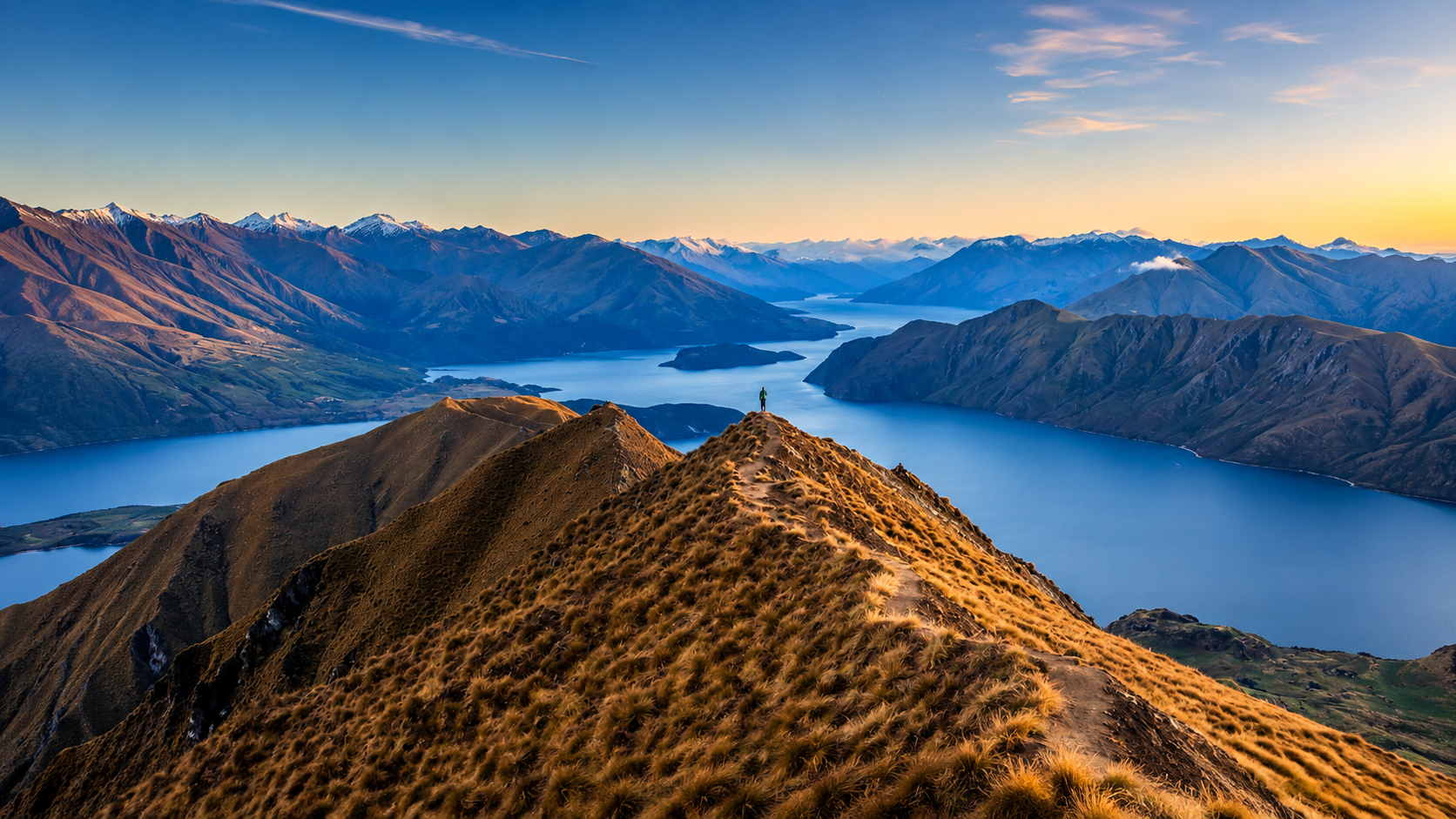
Roys Peak is probably the best-known walk in Wānaka, and there is a good chance you have seen the view long before you arrive. The photograph normally shows somebody standing on a narrow-looking ridge with Lake Wānaka spread out below and the Southern Alps disappearing into the distance.
What the photograph does not show quite as effectively is the climb required to get there.
Roys Peak is not technically difficult in normal summer conditions, but it is relentless. The track starts roughly six kilometres from Wānaka and climbs from near lake level through farmland and tussock country to a summit of 1,578 metres. DOC currently lists approximately 1,228 metres of elevation gain, and the Wānaka visitor information suggests allowing around five to six hours return.
There are very few parts where the track gives you much relief. You climb, turn another corner, climb again and eventually look up to discover that there is still quite a lot of mountain above you.
The good news is that the view improves almost constantly.
As you gain height, more of Lake Wānaka begins appearing behind you. Islands that looked substantial from the shore start becoming tiny, the town disappears into the wider basin and the Southern Alps gradually take over the horizon. That is one reason I would not rush the walk simply to reach the top. Some of the best views appear well before the summit.
The Famous Roys Peak Viewpoint Is Not the Summit
This catches some people out.
The well-known Instagram viewpoint is below the actual summit, and it is often where people stop for their photograph before deciding whether they have enough energy to continue.
If the weather is good and you are feeling strong, I would keep going.
The summit gives you a much broader sense of where you are, and after spending that long walking uphill it seems slightly unfortunate to stop just because you have reached the photograph everyone recognises.
On the other hand, there is nothing wrong with turning around if you are tired, the weather is deteriorating or the upper track is not in suitable condition. A photograph is not worth turning a good day into a bad one.
Should You Hike Roys Peak at Sunrise?
Sunrise has become incredibly popular, and there is no denying that the first light over the lake can be beautiful.
I just would not treat sunrise as compulsory.
Starting in the dark means carrying a proper head torch, warm clothing and enough equipment to deal with a cold, exposed mountainside before the sun comes up. DOC specifically warns that weather changes quickly here and notes the risk of hypothermia even in summer.
If you love early starts and are comfortable hiking in darkness, sunrise can be fantastic.
If you hate getting out of bed at 3am, there is absolutely nothing wrong with starting later.
The mountain will still be there.
Roys Peak in Winter
This is where the walk changes completely.
Snow and ice can be present, and the upper part of the track passes through avalanche terrain above roughly 1,000 metres. This is not a case of putting on a thicker jacket and following somebody else's summer itinerary. Check the current conditions and get local advice if you are visiting during winter or early spring.
There is also an annual closure for lambing. The track is currently closed from 1 October to 10 November, so if you are travelling during that period you will need another option.
Fortunately, Wānaka is not short of alternatives.
If Roys Peak Sounds Like Too Much
Have a look at Mount Iron.
It is much shorter, starts close to town and still gives you excellent views across Wānaka, Lake Hāwea and the surrounding mountains.
Another very good option is Diamond Lake and Rocky Mountain, especially if you want something more substantial than Mount Iron without committing to Roys Peak.
I actually think this is worth remembering even if you are fit enough for Roys Peak. Not every holiday needs the biggest hike available.
Sometimes a shorter walk leaves you with enough energy to enjoy the rest of the day.
Aotearoa Adventures Tip
If you wake up to a clear Wānaka morning and Roys Peak is one of your priorities, take advantage of it. I would rather rearrange a café or lakefront afternoon than save the walk for a day when the mountain is sitting inside cloud.
The car park can also become very busy during peak summer periods, so consider shuttle transport, walking or cycling to the trailhead rather than assuming you will find a space at exactly the time you want.
Get Out Onto Lake Wānaka
2. Get Out Onto Lake Wānaka
Best for: Almost everyone
Allow: A couple of hours to half a day
My pick: Kayak or paddleboard on a calm morning
Why I rate it: The lake is too important to Wānaka to experience only from the shore
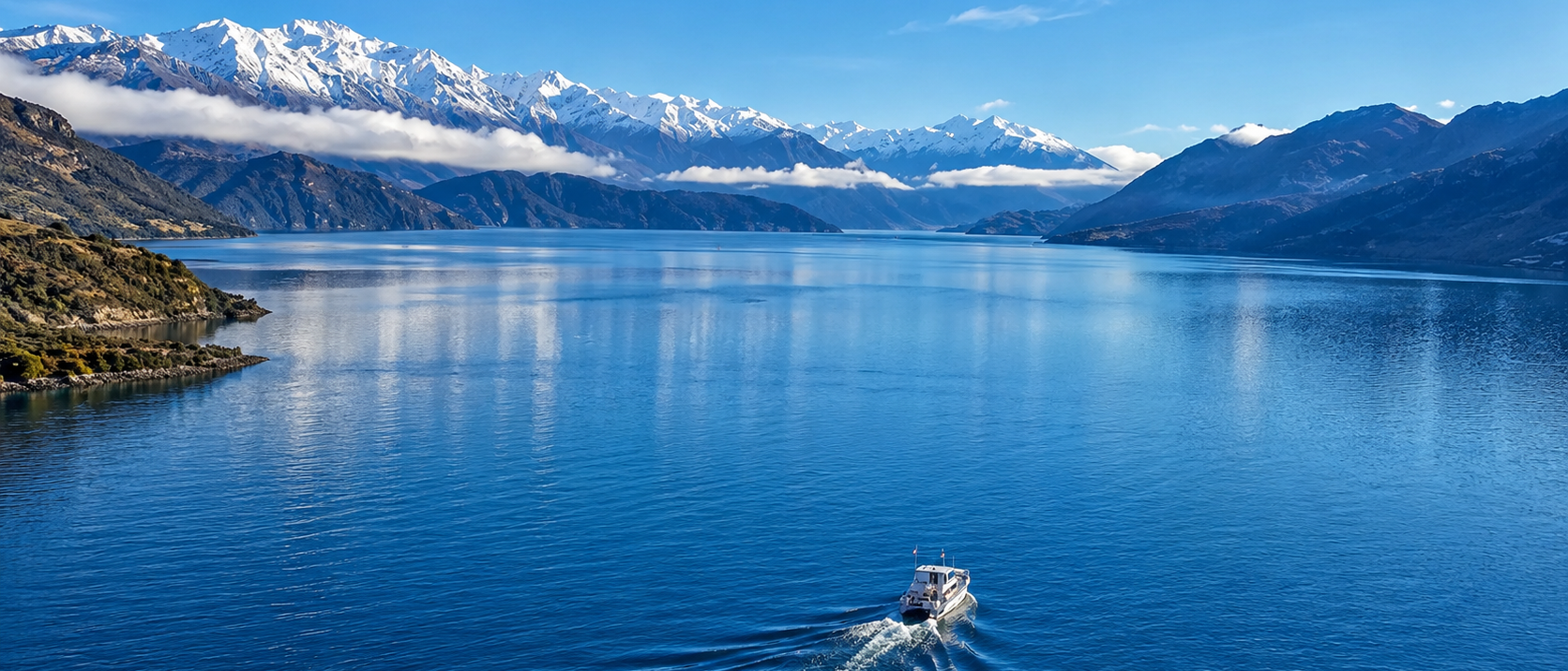
It sounds obvious, but one of the best things you can do in Wānaka is actually get onto the lake.
Lake Wānaka sits directly beside town, so it is very easy to spend several days looking at it without ever doing anything more than walking along the shoreline. I think that is a missed opportunity.
The whole town feels different once you are on the water.
From the shore, the lake is the background. Once you paddle away from town, Wānaka itself becomes the background and the mountains start feeling much larger.
There are several ways to do it, and the best option depends on how active you want the day to be.
Kayaking
A kayak is probably my favourite choice for most people.
It gives you enough stability to relax, lets you cover more distance than a paddleboard and still feels quiet enough that you are properly experiencing the lake rather than simply being taken across it.
On a calm morning, paddling away from the lakefront is a very easy way to spend a couple of hours.
You do not necessarily need a complicated destination. Sometimes the best part is simply getting away from the busy shoreline, finding a quieter section and looking back towards town.
If you have more time, Ruby Island can make the morning feel like more of a small adventure.
Stand-Up Paddleboarding
Paddleboarding works particularly well when the lake is settled.
It is slower than kayaking and takes a little more balance, but that is also part of the appeal.
For beginners, I would keep the first trip fairly close to shore until you know how comfortable you are.
Lake conditions matter.
A perfectly flat morning can make paddleboarding feel incredibly easy, while wind can change the experience surprisingly quickly.
That is one reason I prefer getting onto the lake earlier in the day when the forecast is favourable.
Cruises and Boat Trips
If paddling does not appeal, there are plenty of ways to experience the lake without doing the work yourself.
Boat cruises and water-taxi trips are particularly useful if you want to reach places such as Mou Waho Island, which I will get to next.
For families, older travellers or anyone who simply wants to sit back and look at the scenery, a cruise makes perfect sense.
There is no requirement to turn every Wānaka experience into exercise.
Swimming
In summer, the lake also becomes one of the easiest ways to cool down.
There are beaches around the town lakefront, and places such as Glendhu Bay are popular for swimming as well. The water is still a South Island alpine lake, so I would not describe it as tropical, but on a hot January afternoon it can feel extremely inviting.
Carry swimwear even if you are not planning a swimming day.
Wānaka has a habit of producing situations where you suddenly wish you had it.
That Wānaka Tree
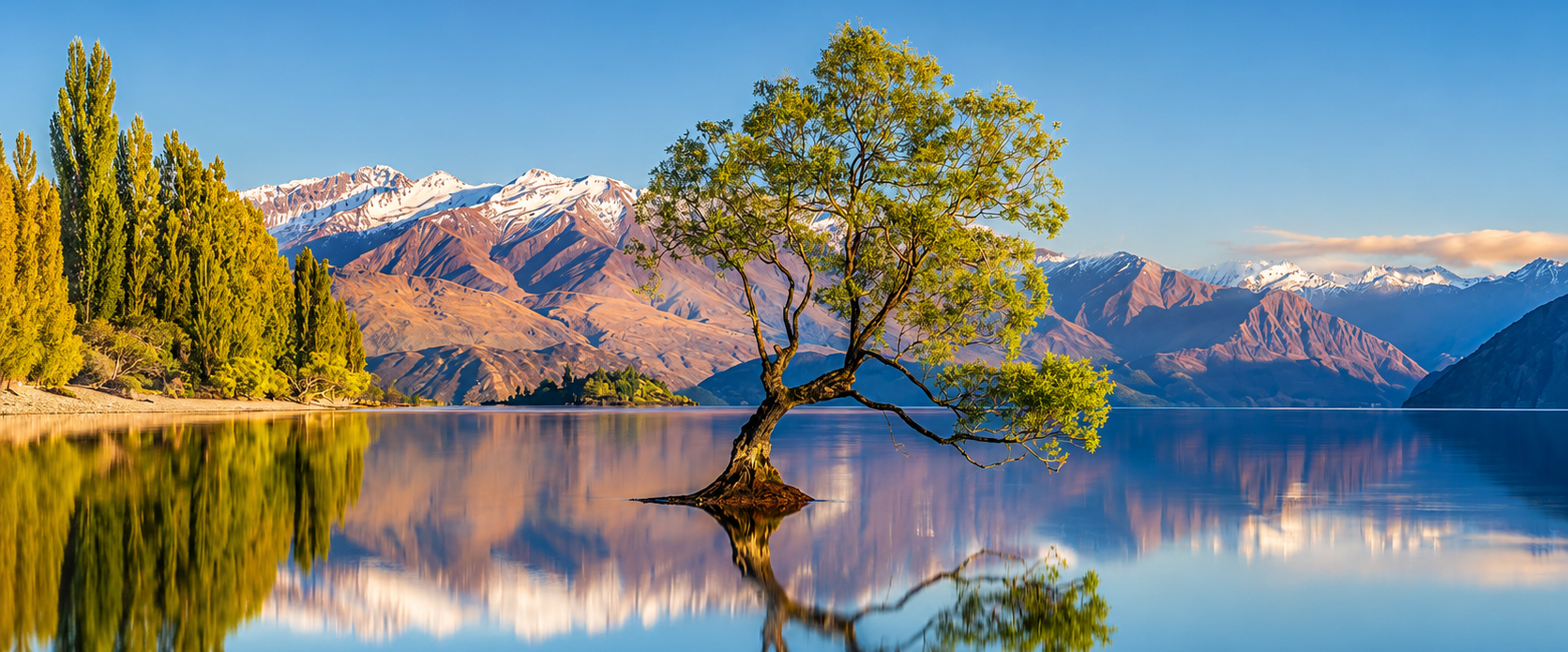
If you are walking along the lake, you will probably end up seeing That Wānaka Tree.
It is one of the most photographed trees in New Zealand and has become almost bizarrely famous.
I would stop.
Take the photograph.
Enjoy the lakefront.
Then keep walking.
There is a lot more to Wānaka than one willow tree standing in the water.
I would not build half a day around it.
Aotearoa Adventures Tip
If you want to kayak or paddleboard, try to leave some flexibility around the exact time. A calm morning can be completely different from a windy afternoon, and there is little point forcing a paddling session simply because your spreadsheet says 2pm.
3. Take a Boat Trip to Mou Waho Island
Best for: Nature, wildlife, couples and families
Allow: Around half a day
My pick: The paid Wānaka experience I would prioritise for someone who already enjoys hiking independently
Why it stands out: You cannot simply drive there yourself
Mou Waho is one of those Wānaka experiences that sounds slightly confusing when you first explain it.
There is a lake on an island in a lake.
And inside that smaller lake is another little island.
It sounds like somebody got carried away designing the landscape.
What makes the trip much more interesting, though, is that Mou Waho is not simply a scenic island. It is a protected reserve and a predator-free refuge for native wildlife, including the famously curious buff weka. Wānaka's official visitor information also highlights native species including Southern Alps geckos and mountain stone wētā on the island.
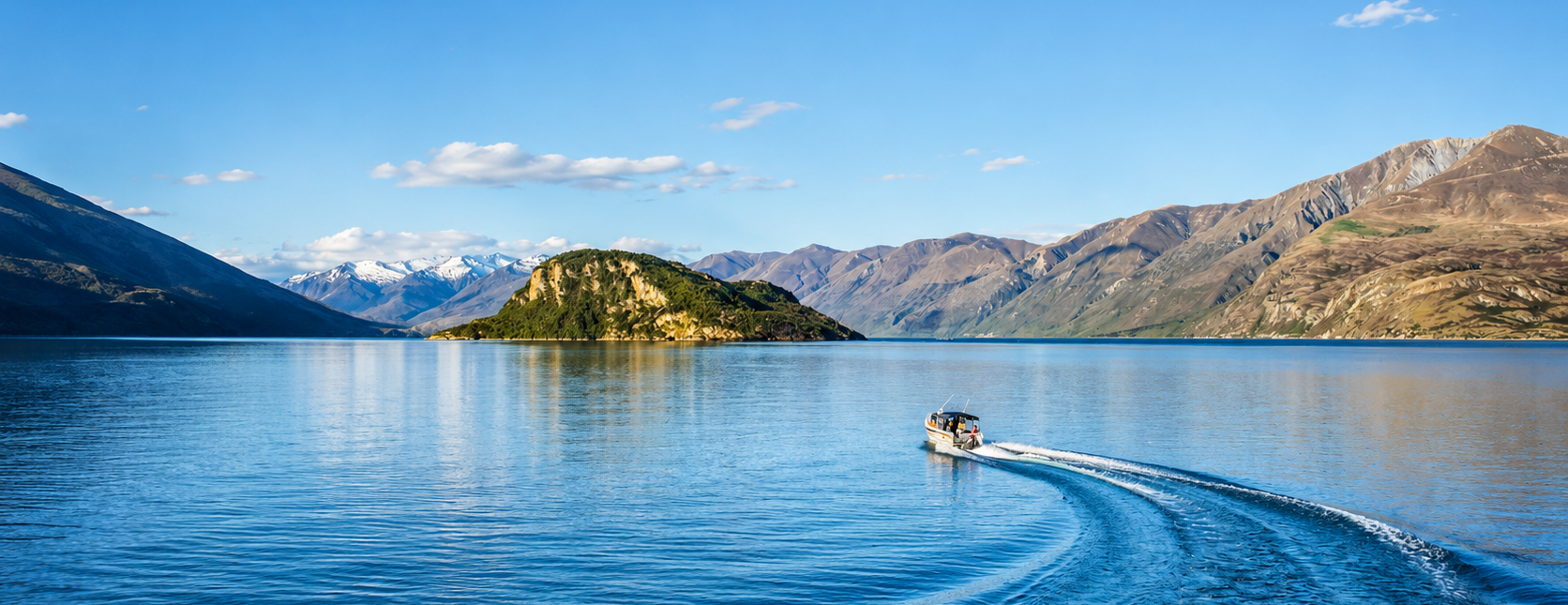
You can only reach Mou Waho by boat, which immediately makes the day feel different from most Wānaka activities.
The Journey Across Lake Wānaka
The boat trip is part of the experience.
Some services travel around 15 kilometres up Lake Wānaka from the marina, passing Mou Tapu and Fisherman's Cove before reaching Mou Waho.
The further you move away from town, the quieter the lake begins to feel.
You get views back towards Wānaka and across to the mountains, and by the time the boat reaches the island it feels like you have actually gone somewhere rather than simply arrived at another attraction.
Walking to Arethusa Pool
After landing, you follow a track uphill through the reserve towards Arethusa Pool.
This is the hidden lake you have probably seen in photographs.
DOC describes it as a small lake sitting in a rocky basin around 150 metres above Lake Wānaka.
The walk is not particularly long, but there is enough climbing that I would still wear proper shoes rather than treating it as a boat cruise where you happen to step ashore for five minutes.
Keep going beyond the pool to the higher viewpoints if your tour and timing allow.
That is where the geography becomes much more impressive.
You can look down towards Arethusa Pool while Lake Wānaka spreads out behind it, with the Southern Alps beyond.
It is one of those views where you can actually see the “lake on an island in a lake” idea properly.
The Weka
The weka are often one of the most memorable parts.
They are confident, curious and appear to have very little interest in respecting personal space.
That does not mean you should feed them.
Enjoy having them wandering around, but let them remain wild.
Also keep an eye on anything loose. A weka examining your belongings is funny until the weka decides that one of those belongings should now belong to the weka.
Is Mou Waho Worth Paying For?
I think it is.
There are plenty of free walks around Wānaka, so when I look at the paid experiences I am more interested in things that give you access somewhere you cannot reasonably reach on your own.
Mou Waho does exactly that.
You get the lake crossing, island walk, wildlife and one of Wānaka's most unusual landscapes in the same trip.
For someone choosing one paid nature experience, this would be near the top of my list.
Aotearoa Adventures Tip
Do not think of Mou Waho as simply a wildlife tour. The boat ride and the views from the island are at least as important as seeing the weka.
Take another layer as well. The temperature on the water can feel quite different from the lakefront in town.
Explore Wānaka by Bike
4. Explore Wānaka by Bike
Best for: Couples, families, mountain bikers and anyone wanting a break from hiking
Allow: A few hours to a full day
My pick: Ride towards Glendhu Bay for scenery, or head to Bike Glendhu if mountain biking is the priority
Why I like it: Wānaka is unusually easy to explore on two wheels
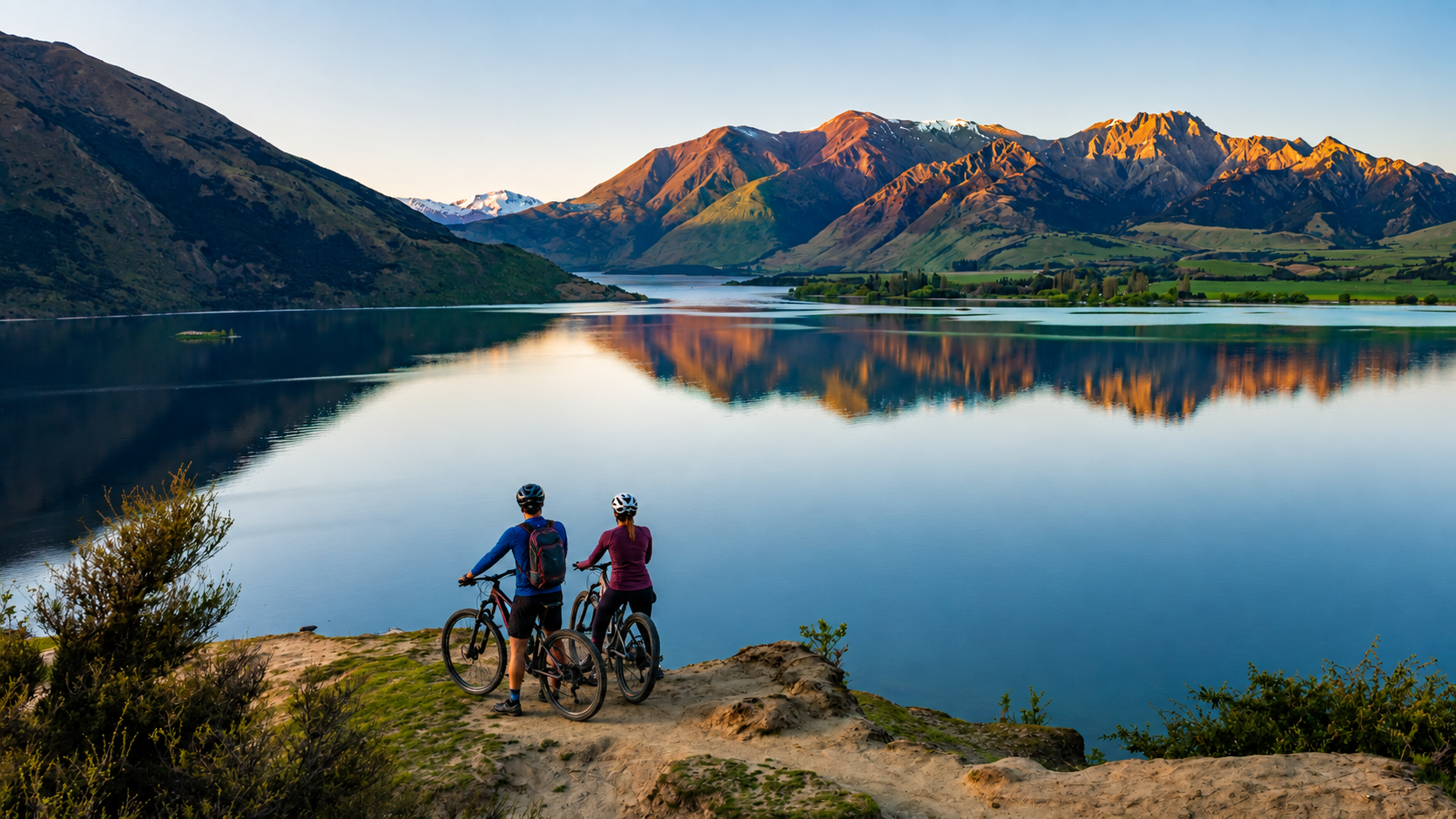
Wānaka is a very good biking destination because you do not need to be a serious mountain biker to enjoy it.
There are easy riverside trails, lakeside rides, technical mountain-bike networks and dedicated bike parks, which means you can choose something that actually matches your ability instead of pretending everyone wants the same ride.
The wider Wānaka region now has more than 750 kilometres of bike trails, ranging from easy scenic riding through to bike parks and alpine terrain.
For most first-time visitors, I would start beside the lake.
The Millennium and Glendhu Bay Route
The trail west of Wānaka is one of the best ways to combine cycling and scenery.
You can start around town and follow the lakefront past That Wānaka Tree and Waterfall Creek before continuing towards Glendhu Bay.
The longer Glendhu Bay section is around 15 kilometres one way and includes short steep climbs, descents and some rougher sections, so I would not describe the full route as a completely effortless family cruise. It is currently rated intermediate for biking.
The reward is the scenery.
You follow the edge of Lake Wānaka with mountains constantly sitting across the water, and there are small beaches where you can stop along the way.
If you reach Glendhu Bay on a clear day, the view towards Mount Aspiring/Tititea is excellent.
This is one ride where I would happily use an e-bike.
The point is not to reach Glendhu Bay exhausted and then discover you have to get back.
Hāwea River Track
If you want something easier, look at the Hāwea River Track.
The current route between Albert Town and Lake Hāwea is around 12 kilometres and is rated easy for walking and biking.
It follows the river through open country and is a good option for families or anyone who would rather enjoy the scenery than think about technical riding.
With the right transport arrangements, you can make it a one-way ride and avoid having to retrace the whole route.
That is normally how I prefer to organise cycling days.
Bike Glendhu
If mountain biking is actually one of the reasons you came to Wānaka, head to Bike Glendhu.
This is a completely different experience from cruising along the lakefront.
There are trails for different ability levels, including beginner loops, flowing intermediate trails and more technical options higher on the mountain. Shuttle options are available if you want to save your legs for the descents.
The views are a major part of the appeal.
You are riding above Glendhu Bay with the lake and mountains spread out beneath you, which is exactly the sort of scenery you want from a South Island bike day.
Should You Hire an E-Bike?
If the goal is sightseeing rather than training, I would seriously consider it.
An e-bike means groups with different fitness levels can stay together, and it makes longer rides much easier to enjoy.
There is no prize for arriving at the lunch stop 15 minutes before everybody else.
A holiday ride tends to be more enjoyable when everyone reaches the café at roughly the same time.
Aotearoa Adventures Tip
If you are planning a one-way ride, sort out the shuttle before you start.
Nothing takes the shine off a beautiful 20-kilometre ride quite like reaching the end and remembering that your car is still 20 kilometres in the opposite direction.
Spend a Day in Mount Aspiring National Park
5. Spend a Day in Mount Aspiring National Park
Best for: Hikers, nature lovers, photographers and people who want to see the wilder side of Wānaka
Allow: A full day
My pick: Rob Roy Glacier Track in suitable conditions
Why it matters: Wānaka makes much more sense once you see the mountains behind it
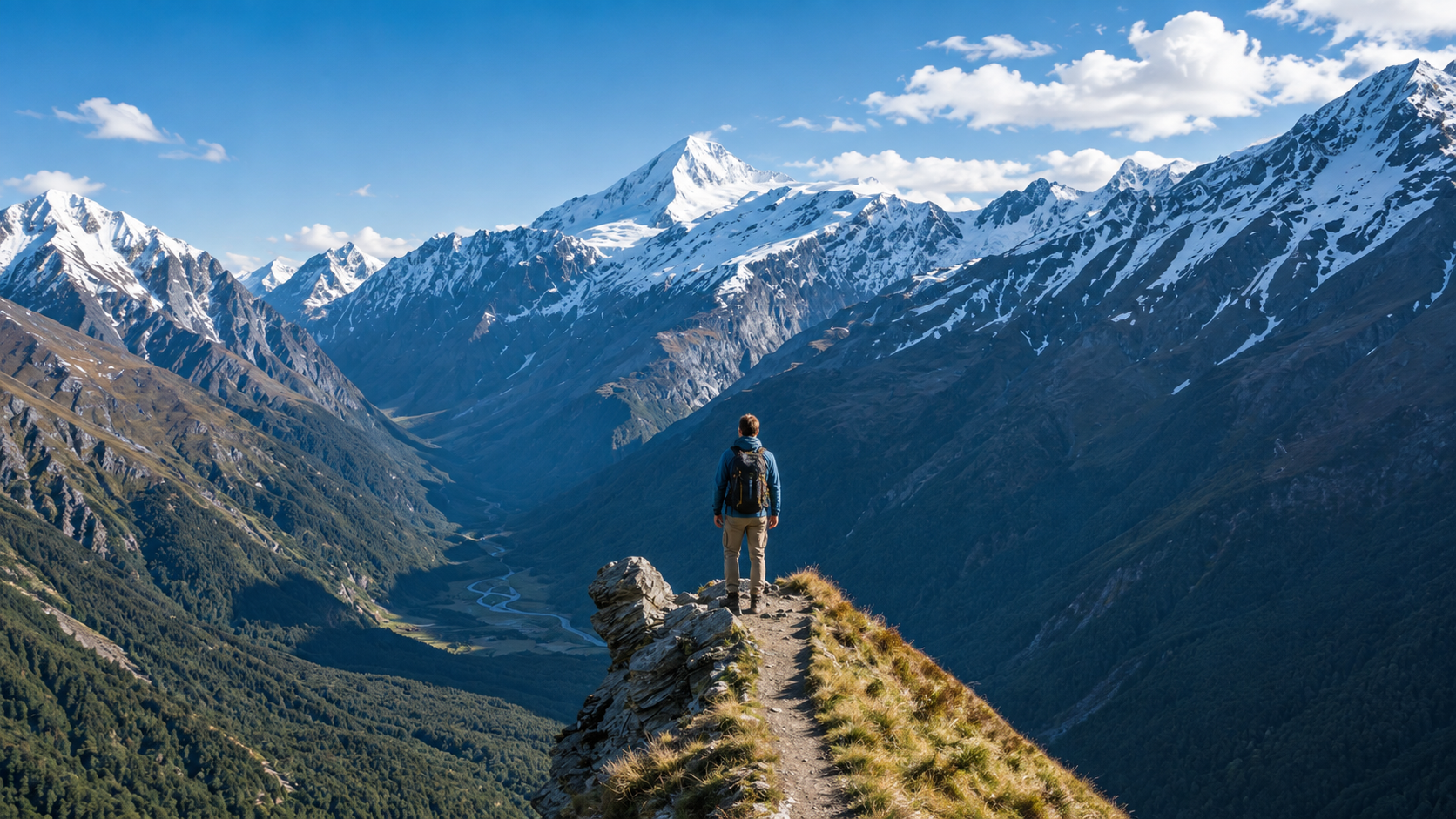
Wānaka is beautiful from the lakefront, but I think you need to head towards Mount Aspiring National Park to understand what makes the area really special.
This is where the comfortable lakeside town gives way to huge river valleys, native beech forest, glaciers and some of the most impressive mountain scenery in the country.
For a first day trip into the national park, Rob Roy Glacier Track is the obvious choice.
The Drive Into the Matukituki Valley
The day starts before you reach the walking track.
From Wānaka, you follow the Mount Aspiring Road west into the Matukituki Valley.
At first, the road feels like another scenic drive beside the lake. Eventually it becomes gravel and the landscape begins feeling much more remote.
DOC currently lists the trailhead at Raspberry Creek about 54 kilometres from Wānaka, with the drive taking around 1 hour 20 minutes. The final 30 kilometres are gravel, and there are several creek crossings on the last part of the road. After heavy rain, those fords can become impassable even for four-wheel-drive vehicles.
This is one of those roads where I would check conditions before leaving rather than assuming everything will be fine because it was fine on someone's holiday video six months ago.
Rental vehicle restrictions are also worth checking.
The Rob Roy Glacier Track
The track itself is around 10 kilometres return and normally takes roughly three to four hours, although I would allow longer if you like stopping for photographs.
The walk begins across open farmland before crossing a swing bridge over the West Matukituki River.
That bridge is a good start.
You have a wide, braided river below you and mountains already filling the valley ahead.
From there, the track enters native beech forest and climbs beside a gorge before eventually reaching alpine vegetation and the glacier viewpoints.
The contrast is what makes the walk so good.
You start in a broad farming valley, disappear into damp native forest and eventually come out looking directly towards hanging glaciers and waterfalls.
It feels like a much bigger wilderness experience than the distance suggests.
The Glacier View
The upper lookout gives you the view most people have come for.
Rob Roy Glacier hangs above the valley with waterfalls dropping from the surrounding cliffs.
On warm, clear days you may hear ice moving high on the glacier, although this is obviously a natural environment and nothing is guaranteed.
I would stay at the lookout for a while rather than immediately turning around.
Have something to eat.
Watch the mountains.
Let everyone who walked up at the same time start heading back down.
Then enjoy the place once it becomes a little quieter.
A Very Important Seasonal Warning
The section between the lower and upper lookouts passes through active avalanche paths.
DOC strongly recommends not going beyond the lower lookout from May to November, even if there is no snow sitting directly on the walking track, because avalanches can run down from snowfields above.
That is not advice I would try to interpret creatively.
If you are visiting in those months, check the current conditions and follow the guidance.
The national park has plenty of other places to explore.
The Road Can Be the Bigger Problem
This catches visitors out because they concentrate on the hike and forget the access road.
Heavy rain can raise the creek crossings quickly, and the road can occasionally be damaged or closed after significant weather.
If the road does not look right, do not turn a rental car into a boat because you really wanted to do the walk.
Change the plan.
That is part of travelling in mountain country.
Aotearoa Adventures Tip
Give Mount Aspiring National Park a full day rather than treating Rob Roy as something to squeeze between breakfast and another tour.
The drive through the Matukituki Valley is part of the experience, and you will almost certainly want to stop along the way.
Which Wānaka Activities Are Actually Worth Paying For?
One of the reasons I like Wānaka is that you can have an excellent few days without booking expensive activities constantly.
Roys Peak, Mount Iron, lakefront walks and plenty of the cycling can cost very little once you have your transport and equipment sorted.
That means I would be selective about where the activity budget goes.
If I Was Travelling on a Tight Budget
I would spend my money on one Mou Waho Island trip, then fill the rest of the itinerary with hiking, lakefront time and self-guided exploring.
That gives you one experience you cannot easily recreate independently without requiring a paid activity every day.
If I Had a Mid-Range Budget
I would add either a kayak trip or e-bike hire.
Both let you experience the landscape in a different way without turning the trip into a collection of expensive tours.
If Adventure Was the Main Reason for the Trip
This is where Wānaka has considerably more to offer than people sometimes realise.
Beyond the five experiences above, you can look at canyoning, skydiving, jet boating, climbing and Wildwire, the via ferrata experience that climbs beside waterfalls above the Matukituki Valley.
For an adventure-focused Wānaka trip, one of those could easily replace Mou Waho or the relaxed lake day.
What About Skydiving in Wānaka?
Skydiving deserves a mention because Wānaka is a spectacular place to do it.
The flight itself gives you views across the lakes, mountains and wider Southern Alps before you even get to the part where somebody opens the aircraft door.
If skydiving has always been on your bucket list, I would happily choose Wānaka as the place to do it.
I have not included it in my main five because I wanted the list to represent Wānaka itself rather than filling it with adrenaline activities that only suit a smaller group of travellers.
But for somebody planning an adventure-heavy trip, it would be very high on the additional list.
Don't Miss Mount Iron
Roys Peak gets nearly all the attention, but Mount Iron is one of the easiest walks to recommend around Wānaka.
It sits close to town, does not require a full day and still gives you broad views across Lake Wānaka, Lake Hāwea and the surrounding mountains.
This is the walk I would choose if you arrive in the afternoon and want to do something before dinner, or if Roys Peak is closed, covered in poor weather or simply more effort than you feel like putting in.
Not every good viewpoint needs to take six hours to reach.
Yes, Go and See That Wānaka Tree
It is famous enough that pretending it does not exist would be slightly strange.
That Wānaka Tree sits just offshore along the lakefront and has somehow become one of the most photographed trees in New Zealand.
It is worth walking past.
It is an easy stop.
The lakefront around it is beautiful.
I just would not make it the main reason for coming to Wānaka.
Take the photo, enjoy the view and continue along the Waterfall Creek track.
You will find plenty more worth looking at.
How Many Days Do You Need in Wānaka?
You can see the town in a day.
I think three days is much better, and four gives you time to include Mount Aspiring National Park without sacrificing everything else.
The mistake I would avoid is arriving from Queenstown at lunchtime, photographing the tree, eating something and leaving again.
That is seeing Wānaka.
It is not really experiencing it.
Two Days in Wānaka
If two days is all you have, I would keep things focused.
Day 1: Explore the lakefront, then kayak, paddleboard or cycle.
Day 2: Roys Peak if the conditions and season suit, or choose Diamond Lake/Rocky Mountain instead.
Three Days in Wānaka
This is where the trip becomes much better.
Day 1: Lakefront, lake activity and a relaxed afternoon.
Day 2: Roys Peak or another major hike.
Day 3: Mou Waho Island.
That gives you the lake, mountains and one of the area's most unusual nature experiences.
Four Days in Wānaka
Add Mount Aspiring National Park and Rob Roy Glacier.
This would probably be my ideal first visit.
You have enough time to experience the town without every day becoming a rush.
My Ideal 4-Day Wānaka Itinerary
If I were planning a first Wānaka trip, I would structure it roughly like this.
Day 1 – Arrive and Slow Down
Do not immediately launch into the hardest activity available.
Walk the lakefront, see That Wānaka Tree, get some food and either hire a kayak or continue along the Waterfall Creek track.
If you still have energy later, walk Mount Iron.
This gives you a proper introduction to Wānaka without turning arrival day into another timetable.
Day 2 – Big Hiking Day
If the weather is clear, the season is suitable and you are properly prepared, make this the Roys Peak day.
Start early enough to avoid the hottest part of the day in summer and give yourself plenty of time.
Once you come down, do very little.
You have earned that.
Day 3 – Mou Waho Island
Take a boat trip to Mou Waho and spend the morning exploring the island.
Keep the afternoon fairly relaxed.
This is a good time for the lakefront, a swim or an easy bike ride.
Day 4 – Mount Aspiring National Park
Drive into the Matukituki Valley and walk Rob Roy Glacier Track if conditions allow.
Take your time on the drive home.
This is the day where Wānaka starts feeling much bigger than the town and lakefront.
Best Time to Visit Wānaka
There is no season when Wānaka stops being worth visiting.
The trip simply changes.
Summer – December to February
Summer is the easiest time for hiking, biking, kayaking and swimming.
The days are long and the town has plenty of energy.
It is also busy, particularly around the main holiday period.
Roys Peak parking can become difficult, accommodation prices rise and the lakefront is much busier than it is during the shoulder seasons.
If you have flexibility, I would seriously consider late February or March rather than the absolute peak of summer.
Autumn – March to May
Autumn is one of my favourite times for Wānaka.
The temperatures become more comfortable for hiking, the light is beautiful and the wider Central Otago landscape begins changing colour.
You still get plenty of good outdoor days without quite the same intensity as the main summer period.
Winter – June to August
Winter turns Wānaka into a ski town.
Cardrona and Treble Cone are the big reasons people come, and the snow on the surrounding mountains changes the whole look of the area.
This is not, however, the time to assume all of the summer hiking advice still applies.
Roys Peak and the higher mountain tracks can involve snow, ice and avalanche terrain, while Rob Roy's upper section has specific avalanche warnings.
Choose activities appropriate to the conditions.
Spring – September to November
Spring can be beautiful, with snow remaining on the high mountains while the lower country starts warming up.
It is also a transitional period.
Remember that Roys Peak closes for lambing from 1 October through 10 November, so anyone travelling at that time should plan another hike instead.
Do You Need a Car in Wānaka?
You do not need a car simply to enjoy Wānaka township.
The lakefront, cafés, That Wānaka Tree and several easy walking routes can be reached on foot.
Once you start exploring the wider region, however, a vehicle becomes extremely useful.
Roys Peak is several kilometres out of town. Glendhu Bay is further west, Diamond Lake and Rocky Mountain are beyond that, and the Rob Roy trailhead is deep into the Matukituki Valley.
For a complete Wānaka trip, I would prefer having a car.
The exception would be if you are happy using shuttles and organised tours, which can cover many of the major activities.
Where Should You Stay in Wānaka?
For most first-time visitors, I would stay either in central Wānaka or close enough to walk to the lakefront.
Central Wānaka
This is the easiest option.
You can walk to restaurants, cafés and the lake, and you do not need to use the car every time you want to go into town.
It is particularly useful for a shorter stay.
Around the Lakefront
Staying slightly outside the centre but still close to the lake can give you a quieter feel without making things inconvenient.
This is a good compromise if you value views and morning walks more than being beside every restaurant.
Albert Town
Albert Town works well if you have your own vehicle and want somewhere a little quieter.
It is also useful for access towards the Clutha/Mata-Au and Hāwea River trails.
Lake Hāwea
If you genuinely want a quieter base and do not mind driving into Wānaka, Lake Hāwea is worth considering.
The lake is beautiful in its own right and the area feels noticeably calmer.
For a first short visit, though, I would probably stay closer to Wānaka itself.
Is Wānaka Expensive?
It can be, but I think it is easier than Queenstown to build a good trip without paying for major attractions every day.
Hiking is the obvious example.
Roys Peak, Mount Iron and many of the shorter walking tracks are free.
You can spend hours beside the lake without paying anything.
Cycling can be inexpensive if you have your own bike.
That leaves the activity budget for one or two things that add real value, such as Mou Waho, a guided kayak trip, a scenic flight or a bigger adventure.
That is the approach I would take.
Pay for access.
Use the landscape for the rest.
Wānaka for Couples
Wānaka works extremely well for couples because you can make the trip active without having every day feel like an organised adventure.
A good combination would be a Mou Waho trip, a morning on the lake, a bike ride and one major hike.
There are also wineries and food experiences around the wider area if you want a slower afternoon.
If one person is much fitter than the other, an e-bike day is considerably better for the relationship than pretending both of you want to ride the same hill at the same speed.
Wānaka for Families
For families, I would put less emphasis on Roys Peak and more on the lake, shorter walking tracks and biking.
Good options include kayaking, paddleboarding, easy sections of the lakeside trails, the Hāwea River Track and Mou Waho.
Wānaka also has plenty of indoor and family attractions for days when the weather decides that mountain adventures are not happening.
The key is not trying to force children through the adult version of the itinerary.
There is no requirement for a family holiday to include six hours of uphill walking.
Wānaka for Adventure Travellers
If you are here specifically for adventure, the five main experiences are only the beginning.
You can add:
- Skydiving
- Paragliding
- Canyoning
- Wildwire via ferrata
- Jet boating
- Mountain biking
- Scenic helicopter flights
- Skiing and snowboarding
- Backcountry hiking
- Packrafting
Wānaka tends to present these activities with a little less noise than Queenstown, but the options are definitely there.
Wānaka or Queenstown?
This question comes up constantly, and I think the best answer is still:
Do both if you can.
They are close enough to fit into the same South Island itinerary but different enough that one does not replace the other.
Queenstown is better if you want a large selection of organised activities, nightlife, restaurants, bungy jumping and that busy adventure-resort atmosphere.
Wānaka is better if your priorities are hiking, biking, lake time, Mount Aspiring National Park and a slightly slower pace.
I like Queenstown for a few days of activity.
I like Wānaka when I want to stay somewhere long enough to stop thinking about the itinerary quite so much.
What About Cardrona?
Cardrona is easy to add when travelling between Wānaka and Queenstown or as a separate half-day trip.
In winter, Cardrona Alpine Resort is one of the major ski areas accessible from Wānaka.
Outside winter, the valley still has plenty of appeal, including mountain biking and the historic settlement.
I would treat it as an addition to Wānaka rather than one of the main five things to do in town.
A Few Wānaka Tips I Would Know Before Going
Wānaka is straightforward to visit, but a few decisions can make the trip much better.
Check the mountains before you commit to the day's plan. If Roys Peak is beautifully clear today and tomorrow looks uncertain, use today.
Do not underestimate the sun. The air can feel cool while you are still getting a huge amount of UV exposure.
Carry layers. This applies to the lake and the mountains.
Give yourself one unscheduled afternoon. Wānaka is one of the places where this actually improves the trip.
Book the experiences you genuinely care about, not everything available. You will enjoy the trip more and probably spend considerably less.
Check road conditions before Rob Roy. The creek crossings are not an interesting challenge to add to your rental-car holiday.
Respect the seasonal track warnings. Mountain conditions do not become safe because you only have one day left in town.
Final Thoughts: Is Wānaka Worth Visiting?
Definitely.
What I like about Wānaka is that it has enough adventure to fill a week, but it never feels as though you need to be doing something every minute.
You can spend one day climbing more than a thousand metres above the lake and the next doing little more than paddling near the shoreline.
You can take a boat to a predator-free island, cycle beside the lake, drive deep into Mount Aspiring National Park or simply walk through town and find somewhere good for lunch.
The landscape does most of the work.
That is why I would not treat Wānaka as a quick stop on the way to Queenstown.
Stay for a few nights.
Give Roys Peak a proper day if you want to climb it.
Get onto the lake rather than only looking at it.
Make the trip to Mou Waho.
Take a bike somewhere.
And if you have the time, head into the Matukituki Valley and see just how quickly comfortable lakeside Wānaka gives way to proper mountain wilderness.
Then leave a little room in the itinerary for nothing in particular.
Because Wānaka is one of those places where sitting beside the lake without anywhere else you need to be can turn out to be one of the best parts of the trip.