

New Zealand Travel Guide for First-Time Visitors: Everything You Need to Know
New Zealand Travel Guide for First-Time Visitors: Everything You Need to Know
Planning a first trip to New Zealand is exciting, but it can also become overwhelming surprisingly quickly. The country looks small on a world map, and that often leads visitors to assume they can see most of it in a couple of weeks. Then the planning begins properly. Auckland becomes Rotorua, Rotorua leads to Taupō and Tongariro, somebody mentions the Bay of Islands, Queenstown looks impossible to leave out, Wānaka appears just around the corner, Aoraki/Mount Cook suddenly becomes essential, and before long Milford Sound has somehow been squeezed into a day that already contains a six-hour drive.
That is probably the first thing I would tell anyone visiting New Zealand for the first time: do not try to see everything.
New Zealand rewards travellers who slow down. Some of the best moments happen between the famous places rather than at them. A drive might take you beside an alpine lake, through a gorge, across a mountain pass or past a beach that was never part of the original plan. If every day is packed with fixed arrival times and accommodation changes, it becomes much harder to enjoy those moments.
The good news is that New Zealand is also a relatively straightforward country to travel around once you understand how it works. English is spoken everywhere, self-driving is easy for confident drivers, accommodation is available at almost every budget level and there is an enormous range of activities ranging from completely free walks to once-in-a-lifetime scenic flights.
This guide is designed to help you make the important decisions before you arrive. We will look at how long to spend in New Zealand, when to visit, whether to choose the North or South Island, the best way to get around, where first-time visitors should consider staying and how to build an itinerary that feels like a holiday rather than a race around the country.
How Long Should You Spend in New Zealand?
If you are travelling a long way to reach New Zealand, I would try to give yourself at least two weeks if your circumstances allow it. Ten days can still produce an excellent holiday, but somewhere around fourteen days is where you begin to have enough room to explore without constantly thinking about the next drive.
A week is perfectly workable if you concentrate on one area. A seven-day North Island trip could focus on Auckland, Rotorua, Taupō and Tongariro National Park, while a South Island week might combine Queenstown, Wānaka, Aoraki/Mount Cook and perhaps Fiordland. The mistake is trying to turn that same week into a tour of the entire country.
With ten to fourteen days, the possibilities become much better. You could explore the South Island in considerable depth or combine a smaller North Island section with a carefully selected South Island route. For an adventure-focused trip, I would generally give more time to the South Island because destinations such as Queenstown, Wānaka, Fiordland, Aoraki/Mount Cook and the West Coast offer such a high concentration of outdoor experiences.
Three weeks is where I think a proper two-island journey begins to feel comfortable. You can spend several nights in the places you care about, include some less obvious stops and, importantly, leave room for weather changes. That matters in New Zealand because many of the country's best experiences are weather dependent. Scenic flights, skydiving, alpine hikes, glacier activities and even some road journeys can be affected by cloud, rain, wind or snow.
I would rather have four destinations that you properly experience than eight places where you simply arrive, sleep and leave again the following morning.
North Island or South Island: Which Should You Visit?
This is one of the most common questions from first-time visitors, and there is no single correct answer. The two islands have quite different personalities, so the best choice depends on what you are hoping to experience.
The North Island gives you some of New Zealand's strongest geothermal, cultural and volcanic landscapes. Rotorua is the obvious example, with geothermal valleys, hot pools, mountain biking, Māori cultural experiences and excellent adventure activities. Taupō combines the country's largest lake with skydiving, jet boating, cruises and easy access to the Central Plateau, while Tongariro National Park gives you a volcanic landscape that looks completely different from the alpine scenery of the South Island.
Travel farther north and the atmosphere changes again. Northland and the Bay of Islands offer warmer coastal landscapes, beaches, islands and boating rather than snow-covered mountains. Auckland and Wellington add the urban side of New Zealand, with good food, museums, waterfronts and transport connections.
The South Island, by comparison, is where New Zealand becomes particularly dramatic. The Southern Alps dominate much of the island, and the landscapes change constantly as you move between dry high country, glacial lakes, mountain valleys, rainforest and wild coastline.
Queenstown is the best-known adventure destination, but it is only one part of the story. Wānaka provides a more relaxed lakeside base near Mount Aspiring National Park. Aoraki/Mount Cook gives you some of the country's best alpine scenery. The West Coast brings glaciers and rainforest together in an unusual combination, while Fiordland contains Milford Sound, Doubtful Sound and some of New Zealand's most spectacular walking country.
For the kind of traveller Aotearoa Adventures is mainly written for, I would probably choose the South Island if there was only time for one. The concentration of mountains, hiking, bungy jumping, jet boating, scenic flights and road-trip scenery is difficult to beat. But if you have enough time to include Rotorua, Taupō and Tongariro before heading south, you will get a much more complete picture of how varied New Zealand really is.
When Is the Best Time to Visit New Zealand?
There is no single best month to visit New Zealand because each season offers something different. The better question is what you actually want from the trip.
Summer, from December through February, is the most obvious period for a traditional road trip. The days are long, temperatures are generally warmer and hiking, kayaking, cycling and outdoor attractions are operating at their busiest. It is a fantastic time for Abel Tasman, Fiordland, Wānaka, Queenstown and coastal areas throughout the country.
The downside is that everybody else has noticed this as well. Accommodation can be expensive, rental vehicles are in demand and popular destinations can feel busy. If you are travelling over Christmas, New Year or January, I would organise your important accommodation and major activities well in advance.
Autumn, from March through May, is one of the periods I particularly like for New Zealand travel. March can still feel close to summer, but visitor numbers start easing and the cooler weather can make road trips and hiking more comfortable. Queenstown, Arrowtown and Central Otago become especially attractive once the autumn colours begin appearing. For visitors who want good outdoor conditions without the height of the summer crowds, March and early April are difficult to beat.
Winter, from June through August, transforms the alpine regions. Queenstown and Wānaka become ski destinations and the mountains around the South Island look completely different under snow. Aoraki/Mount Cook can be spectacular at this time of year, but winter also means shorter daylight hours, colder driving conditions and the possibility of snow or ice on mountain roads. Many alpine walks also become much more serious propositions in winter and should not be treated as ordinary summer hikes.
Spring, from September through November, can be beautiful but changeable. Snow remains on the high mountains while valleys turn greener, waterfalls can be impressive and daylight hours steadily increase. The trade-off is that spring weather can move quickly. If you do not mind carrying a waterproof jacket and adjusting the day when conditions change, it can be an excellent season for exploring.
Ultimately, I would choose the time of year based on what matters most to your trip rather than chasing the idea of perfect weather. New Zealand weather is too variable for perfection to be guaranteed anyway.
How to Get Around New Zealand
For most first-time visitors, I think a rental car is the easiest way to experience New Zealand properly. Public transport connects the main centres, but many of the places people dream about visiting are rural, mountainous or spread across regions where having your own vehicle makes an enormous difference.
The real advantage of a car is freedom. New Zealand road trips are full of places where you will want to stop unexpectedly. You might come around a corner and find an incredible lake view, notice a short walking track beside the road or decide to spend longer in a small town because you like the feel of it. Having your own vehicle means you can make those decisions without worrying about a bus timetable.
A rental car is generally my preferred option for couples or small groups using hotels, motels and holiday parks. Cars are easier to drive and park than campervans, normally use less fuel and give you access to almost every road you are likely to need on a typical first trip.
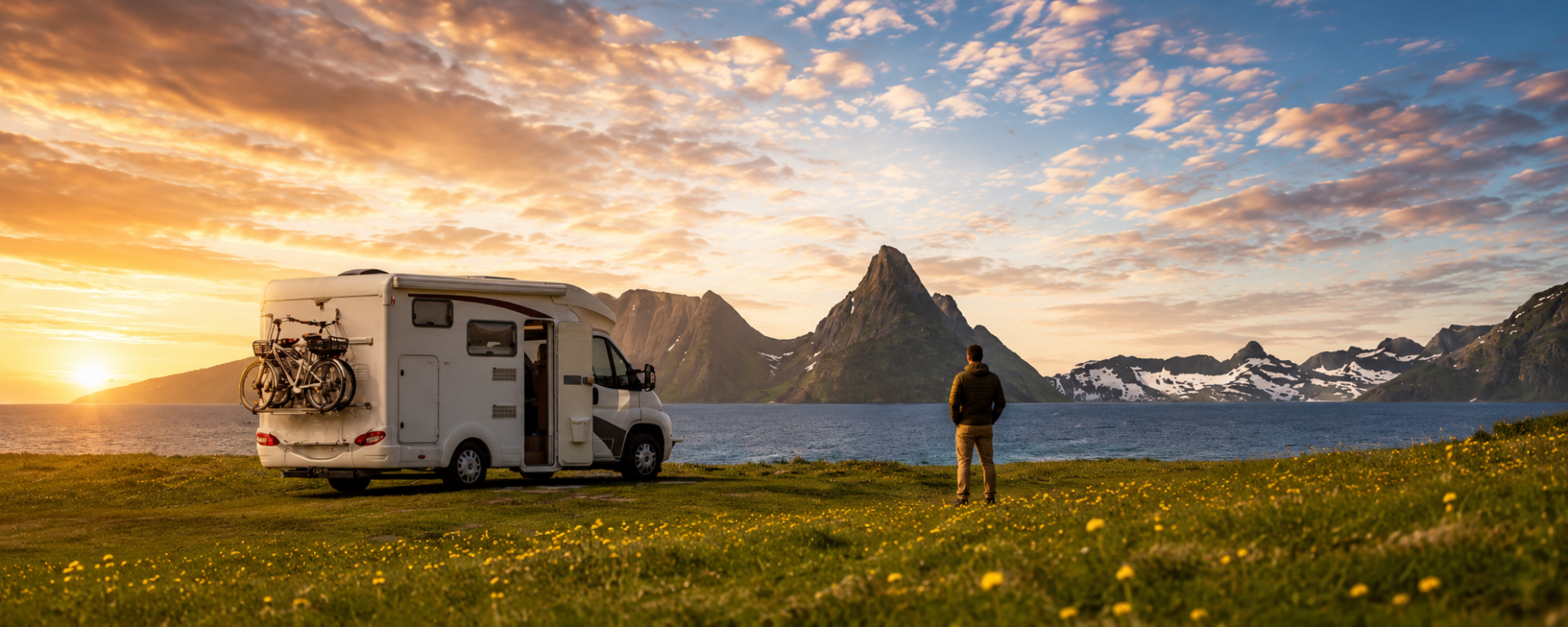
A campervan can be fantastic if the campervan style itself appeals to you. Waking up close to a lake, carrying your accommodation with you and being able to adjust the route can be one of the most enjoyable ways to experience the country. I would not automatically assume it will be cheaper, though. Rental prices, insurance, fuel and campground fees can add up quickly, especially in summer. Campervanning works best because you enjoy the lifestyle, not simply because you expect it to save money.
Domestic flights become useful when time is limited and you are covering both islands. If you have two weeks, flying from Auckland to Queenstown or Wellington to Christchurch may make much more sense than forcing the entire route to connect by road. There is no prize for spending extra days driving through places you only included because they happened to sit between two airports.
Travelling without a car is still possible. Queenstown, Rotorua, Taupō and other major visitor destinations have organised tours and shuttles for many activities. The key is to design the itinerary around places where that transport exists rather than trying to reproduce a complicated self-drive route entirely using buses.
Driving in New Zealand
New Zealand drives on the left-hand side of the road, which is one of the biggest adjustments for visitors from countries that drive on the right. Give yourself time to become comfortable and be especially careful when leaving car parks, petrol stations and quiet rural roads, where habits can take over.
The other major difference is travel time.
Outside the main cities, many New Zealand highways are ordinary two-lane roads. They wind around lakes, cross hills and mountain passes and pass directly through small towns. A relatively short distance can therefore take considerably longer than visitors expect.
I would never build a New Zealand itinerary based only on the number of kilometres between destinations.
The drive itself should be part of the day.
If Google Maps says a journey will take three hours, that does not mean you should expect to arrive exactly three hours after leaving. You may stop at a viewpoint, take a short walk, buy lunch or find a place that looks too good to drive past. Build those stops into the plan instead of treating them as delays.
I would also be careful about driving immediately after a long international flight. If you have been travelling overnight and arrive exhausted, spend the night somewhere nearby before beginning a major road journey. Starting the holiday rested is worth considerably more than squeezing another destination into day one.
The Best Places to Visit on Your First New Zealand Trip
There are far too many worthwhile destinations to include them all in one holiday, but a first-time trip becomes much easier to plan once you identify a few strong anchors.
Auckland
For many international visitors, Auckland is the first place they see. I would not necessarily spend a large proportion of a short adventure holiday here, but I also would not rush straight from the aircraft into a rental car and leave.
Give yourself a day or two to recover, walk the waterfront, explore the city and perhaps take a ferry across the harbour. Auckland is also the natural starting point for road trips towards Northland, the Coromandel, Rotorua and the central North Island.
Bay of Islands
The Bay of Islands gives you a softer, warmer side of the country than the alpine New Zealand found on travel posters. Beaches, islands, sailing, kayaking and coastal scenery dominate the region, while Waitangi and Russell add important historical context.
If you are visiting in summer and enjoy being near the water, this is one of the North Island destinations I would seriously consider adding.
Rotorua
Rotorua is probably one of the North Island's best all-round stops for a first visit because there is so much variety in a relatively compact area.
You can explore geothermal valleys, soak in hot pools, mountain bike through the Whakarewarewa Forest or raft the Kaituna River and its famous Tutea Falls. Rotorua is also one of the strongest places to include a meaningful Māori cultural experience rather than treating Māori culture as something that exists only on signs and souvenirs.
I would spend at least two nights here, and three is easy to justify if you want a mixture of sightseeing and activities.
Taupō
Taupō works extremely well for travellers who like adventure but still want an easy place to slow down between activities.
The lake dominates the town and there are plenty of ways to enjoy it, including scenic cruises to the Mine Bay Māori Rock Carvings. Huka Falls is nearby, jet boating is excellent and Taupō is one of the country's best-known skydiving destinations.
Tūrangi and Tongariro National Park are also close enough to connect naturally with the same part of the itinerary.
Tongariro National Park
Tongariro gives you one of the most unusual landscapes in New Zealand.
The volcanic mountains and exposed terrain are completely different from the lush geothermal areas farther north or the Southern Alps farther south. The Tongariro Alpine Crossing is the famous walk, but there are shorter hikes throughout the national park for visitors who do not want the full crossing.
The important thing is treating this as a genuine alpine environment. Weather changes, conditions matter and popularity does not automatically make a walk easy.
Build some flexibility into your plans rather than assuming the crossing will happen on one exact date regardless of the weather.
EXPLORE TONGARIRO NATIONAL PARK
Wellington
Wellington is one of those places that people sometimes treat simply as the point where the ferry leaves for the South Island.
I think it deserves better than that.
The compact centre is easy to explore on foot, the waterfront is attractive and Te Papa is one of the country's most worthwhile museums. Good food, coffee and surrounding hills make Wellington a very pleasant place to break up a road trip.
Even one full day gives you a much better experience than arriving late and immediately boarding the ferry the following morning.
Abel Tasman National Park
Abel Tasman is an excellent reminder that the South Island is not simply a giant collection of mountains.
Golden beaches, clear water and native forest make it one of the country's most accessible national parks. You can walk sections of the Abel Tasman Coast Track, kayak the coastline or use water taxis to combine beaches and walks into one day.
This is also a good place to deliberately slow the pace of an itinerary.
After several days of driving and adventure activities, an afternoon on a beach can feel surprisingly valuable.
Kaikōura
Kaikōura has one of New Zealand's most unusual geographic settings because the mountains rise so close to the Pacific Ocean.
That combination supports a strong marine environment, and the area is famous for whale watching, dolphins, seals and seafood. You can see the coastline by boat, on foot or even from the air on a whale-watching scenic flight.
For me, Kaikōura works best when you give it at least one night rather than simply stopping for lunch while driving between Christchurch and Picton.
Aoraki/Mount Cook
Aoraki/Mount Cook is one of the places I would work hard to include on a first South Island road trip.
The experience begins before you arrive. The road beside Lake Pūkaki is one of those drives where you start making considerably more stops than expected because the view towards the mountains keeps improving.
Once you reach the national park, there are walking tracks, glacier viewpoints and scenic flights, while the dark skies make staying overnight particularly worthwhile.
Aoraki/Mount Cook feels very different once the day visitors have left.
If your budget and itinerary allow it, stay.
Queenstown
Queenstown is where New Zealand adventure travel goes into overdrive.
Skydiving, bungy jumping, jet boating, rafting, scenic flights, skiing and mountain biking are all easily available, and that can make first-time visitors feel as though they should book everything.
I would resist that.
Choose the experiences you genuinely care about and leave enough time to enjoy Queenstown itself. Walk the lakefront, climb Queenstown Hill, visit Arrowtown or simply have a slower afternoon after spending the morning hanging from a bungy cord.
Four or five nights can disappear incredibly quickly here.
QUEENSTOWN COMPLETE TRAVEL & ADVENTURE GUIDE
Wānaka
Wānaka has many of the things people love about Queenstown but feels more relaxed.
Lake Wānaka sits right beside town, the mountain scenery is excellent and Mount Aspiring National Park gives the area a genuine wilderness edge. Roys Peak gets most of the attention, but there are easier walks, cycling, kayaking and scenic flights as well.
I would not treat Wānaka as a quick Queenstown side trip.
Give it a couple of nights.
The slower atmosphere is part of what makes it worthwhile.
Fiordland and Te Anau
Fiordland deserves more time than many first itineraries give it.
Milford Sound is obviously the famous attraction, but the wider region contains Doubtful Sound, major walking tracks, lakes and enormous areas of wilderness.
I would base yourself in Te Anau rather than trying to experience everything from Queenstown.
Milford deserves a full day because the road is part of the experience. If you have another day, Doubtful Sound is completely different and gives you a quieter, more remote version of Fiordland.
This is one destination where slowing the itinerary makes an enormous difference.
What Are the Best Adventure Activities in New Zealand?
New Zealand is exceptionally good at persuading otherwise sensible travellers to do things they never imagined booking at home.
Skydiving is an obvious example. Queenstown and Wānaka offer spectacular mountain-and-lake scenery, Taupō gives you a huge volcanic lake and Franz Josef puts glaciers beneath you. If skydiving has always been on your bucket list, this is one country where the landscape genuinely adds something to the jump.
6 BEST PLACES TO SKYDIVE IN NEW ZEALAND
Bungy jumping has an even stronger connection with New Zealand adventure tourism. The original commercial Kawarau Bridge Bungy remains one of the best choices for first-timers, while the 134-metre Nevis Bungy exists for people who apparently felt 43 metres was insufficient.
5 BEST PLACES TO BUNGY JUMP IN NEW ZEALAND
White-water rafting offers a much longer experience and works brilliantly for groups. Rotorua's Kaituna River gives you Tutea Falls, while the Tongariro River near Tūrangi provides a fantastic Grade 3 introduction. Queenstown, Canterbury and Murchison give the South Island several excellent alternatives.
5 BEST PLACES FOR WHITE-WATER RAFTING IN NEW ZEALAND
Jet boating is another activity with a genuine New Zealand story behind it. Shotover Jet is the classic high-speed canyon experience, while the Dart River near Glenorchy uses the jet boat as a way of travelling deep into spectacular wilderness. Hukafalls Jet near Taupō is an excellent North Island option.
5 BEST PLACES TO JET BOAT IN NEW ZEALAND
Scenic cruises are perfect when you want the landscape without necessarily increasing your heart rate. Milford Sound would be my first choice, followed by Doubtful Sound for a quieter wilderness experience. Queenstown's TSS Earnslaw, the Bay of Islands and Lake Taupō all offer completely different versions of scenic cruising.
5 BEST SCENIC CRUISES IN NEW ZEALAND
Scenic flights sit at the expensive end of the activity budget, but they can also give you access to views that are impossible from the road. Aoraki/Mount Cook is particularly spectacular, while flying from Queenstown to Milford Sound can turn what would otherwise be a very long driving day into an extraordinary journey across the Southern Alps.
5 BEST SCENIC FLIGHTS IN NEW ZEALAND
The important thing is not trying to do all of these.
Choose the experiences that excite you.
New Zealand will still be there if you do not manage to book every activity before flying home.
How Much Should You Budget for New Zealand?
New Zealand is not the cheapest country to travel through, particularly if your plans include a rental vehicle and several major adventure activities.
Accommodation, fuel and food all add up, and a single scenic flight or skydive can cost more than several nights in a motel.
The best way to keep the trip affordable is not necessarily choosing the cheapest version of everything.
Instead, decide where spending money actually changes the experience.
I think scenic flights are worth considering in places where they give you access to landscapes that cannot realistically be seen from the ground. Milford Sound cruises make sense because they put you inside the fiord. Guided rafting makes sense because it gives you safe access to a river you would not otherwise experience.
Then balance those expensive days with free or low-cost ones.
Some of the best New Zealand experiences cost almost nothing. Walk beside Lake Wānaka. Visit Huka Falls. Drive alongside Lake Pūkaki. Explore shorter DOC tracks. Spend time on a beach or wander through Arrowtown.
A good trip does not need to contain a paid attraction every day.
Where Should You Stay in New Zealand?
Accommodation style matters less to me than location when I am planning a road trip.
New Zealand has everything from hostels and holiday parks to motels, apartments, hotels and luxury lodges. For most road-tripping visitors, motels can be particularly practical because they often include parking, kitchen facilities and easy access to the main road.
Holiday parks are also worth looking at even if you are not camping. Many offer cabins and motel-style units, which can make them good value for families.
For stays of three nights or longer, I often like apartments because being able to prepare breakfast or wash clothes begins to feel much more useful halfway through a long trip than it did while planning from home.
In places such as Queenstown, Te Anau and Aoraki/Mount Cook, I would book location over unnecessary luxury. Being close to what you want to do tomorrow can make the entire trip easier.
What Should You Pack for New Zealand?
If there is one word that belongs in a New Zealand packing guide, it is layers.
The weather can change quickly, and travelling between different parts of the country often means experiencing completely different conditions within a few days.
A waterproof jacket is worth bringing even if the forecast looked perfect when you packed. Comfortable walking shoes will probably get more use than formal footwear, while sunglasses, sunscreen and a hat matter because the New Zealand sun can be strong even when the air temperature does not feel particularly hot.
If you are hiking, bring equipment appropriate to the actual walk rather than simply the time of year. A popular trail is still a mountain trail if it happens to be in alpine terrain.
For most visitors, good basic outdoor clothing is enough.
You do not need to arrive dressed as though you are beginning a Himalayan expedition unless your itinerary genuinely requires it.
New Zealand Weather: Leave Room for It
One of the easiest ways to become frustrated with a New Zealand itinerary is to treat weather as something that should cooperate with your bookings.
It will not always.
Fiordland is famously wet. Alpine cloud can cancel scenic flights. Strong winds can affect lake activities and ferry crossings. A beautiful morning in Wānaka does not guarantee conditions higher in the mountains.
The answer is not obsessively checking weather forecasts three weeks in advance.
It is building flexibility into the route.
If a scenic flight matters to you, book it early in the stay so there is another chance later. If you want to hike the Tongariro Alpine Crossing, give yourself more than one possible day. If Milford Sound is important, do not assume rain means the day is ruined. In Fiordland, rain often creates hundreds of temporary waterfalls.
New Zealand becomes much easier to enjoy once you stop expecting the weather to follow the itinerary.
Hiking in New Zealand
You do not need to complete a multi-day Great Walk to experience excellent hiking.
Some of New Zealand's best walks are day hikes or even short tracks that fit easily into a road trip.
Aoraki/Mount Cook has some excellent valley walks. Queenstown Hill gives you a fantastic view over the Wakatipu Basin. Mount Iron above Wānaka is a manageable shorter option. Abel Tasman lets you combine hiking with beaches and water taxis, while Fiordland contains everything from short viewpoints to serious multi-day tracks.
The key is respecting the environment.
Weather can change quickly.
Alpine terrain can become dangerous.
Tracks that look straightforward online may be much more demanding in bad conditions.
Check current information before heading out and do not let social media convince you that every famous walk is suitable for every person on every day.
What to Know Before Arriving in New Zealand
Immigration and border requirements vary depending on nationality, so this is one part of your planning that should always be checked through official New Zealand sources immediately before travel.
Depending on your passport, you may need a visa or NZeTA before boarding your flight. Travellers also need to complete the New Zealand Traveller Declaration and comply with the country's strict biosecurity rules.
Biosecurity is something I would take particularly seriously.
New Zealand's environment is vulnerable to pests and diseases, so food, plant material, outdoor equipment and other risk items may need to be declared. Used hiking boots and camping equipment should be cleaned before travelling.
If you are uncertain about something, declare it.
That is much easier than beginning your holiday with a biosecurity fine because you decided an old apple or muddy pair of boots probably would not matter.
Money, Cards and Tipping
New Zealand uses the New Zealand dollar, and card payments are widely accepted.
I would still carry a little cash, especially when travelling through smaller towns or visiting markets, but there is no need to carry large amounts.
Tipping is not generally expected in New Zealand in the way it is in some other countries. If you receive exceptional service and want to leave something extra, that is completely fine, but you do not need to calculate a percentage every time somebody brings food to your table.
That alone may make the holiday feel surprisingly relaxing for some visitors.
Māori Culture and Place Names
One of the best things you can do before and during a New Zealand trip is make an effort to understand the Māori names and stories connected with the places you are visiting.
You will see names such as Aoraki/Mount Cook, Piopiotahi/Milford Sound and Patea/Doubtful Sound used alongside or instead of English place names.
These names are not decorative additions to tourism branding. They are connected to whakapapa, history and the way landscapes have been understood for generations.
Do not worry if your pronunciation is not perfect when you arrive.
Listen.
Make the effort.
You will improve quickly.
Rotorua, Waitangi, museums such as Te Papa and Māori-led experiences around the country can all add far more meaning to a trip than simply moving between beautiful landscapes without understanding anything about them.
Mobile Coverage, Wi-Fi and Staying Connected
Wi-Fi is common in hotels, motels, cafés and most major visitor centres, and using a local SIM or eSIM can make navigation and bookings much easier.
Just do not assume your phone will work everywhere.
Remote parts of Fiordland, the West Coast, national parks and mountain valleys can have limited or no mobile coverage.
Download maps when heading somewhere isolated and make sure someone knows your plans if you are walking in the backcountry.
A smartphone is a useful travel tool.
It is not a substitute for proper preparation.
Travel Insurance
I would strongly consider comprehensive travel insurance for a New Zealand holiday, particularly if you are travelling internationally and planning several expensive activities.
Flights can change, weather can cancel experiences, luggage can disappear and rental vehicles can be damaged.
If you plan to ski, mountain bike, hike independently or take part in adventure activities, read the policy carefully enough to make sure those activities are actually covered.
Buying the cheapest policy without reading it is only useful if nothing ever goes wrong.
How Much Should You Plan in Advance?
I think the best New Zealand itineraries sit somewhere between completely spontaneous and completely scheduled.
Book the things that would genuinely disappoint you if you missed them. That may include international flights, important accommodation, your rental vehicle, Milford or Doubtful Sound, Great Walk huts and a particular bucket-list activity.
Then leave room around those bookings.
You do not need to reserve every café, short walk and viewpoint.
Some of the best travel days are the ones where you suddenly discover you have three hours free and decide to see what is down a road you had not planned to take.
A little structure keeps the trip running.
Too much structure can stop it feeling like a holiday.
A Realistic First-Time New Zealand Itinerary
If I were planning approximately two weeks for somebody who wanted both islands and a good mixture of scenery and adventure, I would keep the route fairly simple.
I would begin with a night or two in Auckland before travelling south to Rotorua. Two or three nights there gives enough time for geothermal attractions, Māori culture and perhaps rafting or mountain biking.
From Rotorua, I would move to Taupō and the Central Plateau. This gives you Lake Taupō, Huka Falls and access to Tongariro National Park without rushing.
From there, I would fly south rather than losing several days trying to connect every kilometre by road.
Queenstown could comfortably take four nights. That gives you time for one or two major activities, a day around Glenorchy or Arrowtown and enough flexibility for weather.
I would then travel to Te Anau and give Milford Sound a full day rather than trying to squeeze Fiordland into a Queenstown afternoon.
For the final few days, I would choose either Wānaka or Aoraki/Mount Cook depending on what interested me most.
Does that leave things out?
Absolutely.
Abel Tasman, Kaikōura, Northland, the West Coast and dozens of other places are missing.
That is not a failure.
That is a realistic two-week holiday.
Common Mistakes First-Time Visitors Make
The biggest mistake is trying to cover too much ground.
New Zealand looks manageable on a map, so itineraries often end up filled with one-night stops. By the middle of the trip, people realise they have spent more time repacking the car than actually exploring.
Another mistake is underestimating the weather. If a particular hike or scenic flight is the main reason for visiting somewhere, one night may not give you enough opportunity to actually do it.
Visitors also sometimes spend too much money on attractions simply because they feel every famous activity must be completed. There is no reason to pay for something that does not genuinely interest you.
And perhaps the easiest mistake to make is treating the road as an inconvenience between destinations.
In New Zealand, the road is often one of the destinations.
Stop.
Take the photograph.
Walk to the viewpoint.
Buy the pie.
The itinerary will survive.
Is New Zealand Good for Families?
Yes, particularly if you build the itinerary around activities that everyone will actually enjoy.
Rotorua, Taupō, Queenstown, Hanmer Springs and Abel Tasman all offer excellent family options.
Jet boating works well because children can experience real excitement without needing major technical ability. Easy rafting trips, wildlife cruises, cycling, short walks and gondolas can provide plenty of adventure without forcing every family member into something extreme.
The biggest consideration is travel distance.
Adults may happily drive for five hours because the scenery is beautiful.
Young children may have a slightly less poetic interpretation.
Build shorter driving days and spend more nights in each place.
Is New Zealand Good for Couples?
Very.
Queenstown and Wānaka are obvious choices, but Fiordland, Abel Tasman, Northland and the West Coast all work beautifully for couples as well.
You can mix bigger adventures with slower experiences.
Take a scenic flight one day, then spend the next walking around a lake.
Cruise Milford Sound, then have dinner in Te Anau.
Kayak Abel Tasman, then spend the afternoon on a beach.
That balance is one of the things New Zealand does particularly well.
Is New Zealand Good for Adventure Travellers?
This one is easy.
Yes.
Possibly too good.
Skydiving, bungy jumping, white-water rafting, jet boating, mountain biking, canyoning, kayaking, surfing, hiking, skiing and scenic flying are spread throughout the country.
The more useful question is which activities you care about enough to build the itinerary around.
If bungy jumping is the dream, Queenstown becomes important.
If rafting is the priority, Rotorua and Tūrangi deserve consideration.
If scenic flights are the big splurge, Aoraki/Mount Cook or the West Coast may be where you want to spend the money.
The activities should help shape the route rather than being squeezed randomly into whatever day has space.
Is New Zealand Worth Travelling So Far For?
For many international visitors, reaching New Zealand involves a very long flight.
I think that is actually one of the strongest arguments for slowing the trip down once you arrive.
Do not fly halfway around the world and then spend fourteen days sprinting through the country because somebody told you that you “must” see twenty-seven different places.
New Zealand's strength is its variety.
One week can take you from geothermal steam to volcanic mountains.
The South Island can move from dry high country to rainforest in the space of a mountain pass.
You can stand beside a turquoise lake in the morning and be looking at a glacier later that day.
But you appreciate those changes far more when you give yourself time to notice them.
Final Thoughts: Planning Your First New Zealand Trip
There is no single perfect itinerary for a first trip to New Zealand, and I think that is one of the best things about travelling here. Every visitor will want something slightly different from their time in the country. Some people will be drawn to beaches, wildlife and Māori culture, while others will arrive with a list full of mountains, hiking trails, skydiving, bungy jumping and scenic flights. Some will love the freedom of spending several weeks travelling by campervan, while others will prefer the comfort of hotels, shorter drives and the occasional domestic flight between regions.
The most important thing is to work out what matters most to you before trying to build the route. I would start by choosing three or four experiences or destinations that you would be genuinely disappointed to miss. That might be cruising through Milford Sound, walking in Tongariro National Park, seeing Aoraki/Mount Cook for the first time or finally doing that Queenstown skydive you have been thinking about for years. Once those priorities are clear, build the rest of the itinerary around them rather than trying to force every famous New Zealand destination into the same trip.
It is also worth giving your itinerary enough room to breathe. Staying an extra night somewhere you really enjoy is often more rewarding than adding another destination simply because it is nearby on the map. Weather can change quickly, especially around the mountains, so a little flexibility can also make the difference between missing an experience completely and simply moving it to the following day. You do not need to fill every free afternoon with another tour, walk or booking either. Some of the most enjoyable parts of travelling around New Zealand come from having enough time to slow down, explore a lakefront, stop at an unexpected viewpoint or follow a road you had not originally planned to take.
You will almost certainly leave something out, particularly if this is your first visit, and that is completely fine. New Zealand is not a country that needs to be completed like a checklist. In many ways, the trips that work best are the ones where the journey matters as much as the attractions themselves. Take the slower road occasionally, stop when the scenery catches your attention, spend time in smaller towns and talk to people along the way. The photograph you never planned to take, the beach you found by accident or the café you stopped at because you were hungry can easily become just as memorable as the attraction you booked months before arriving.
If you finish your first New Zealand trip feeling that there are still places you would like to return and explore properly, I would consider that a success. The aim is not to see everything. It is to experience enough of the country, at a pace that suits you, to understand why so many travellers start thinking about their next New Zealand trip before the first one is even over.